Skip to content
The Key to Flawless Spray-Painting and Reliable Pneumatics
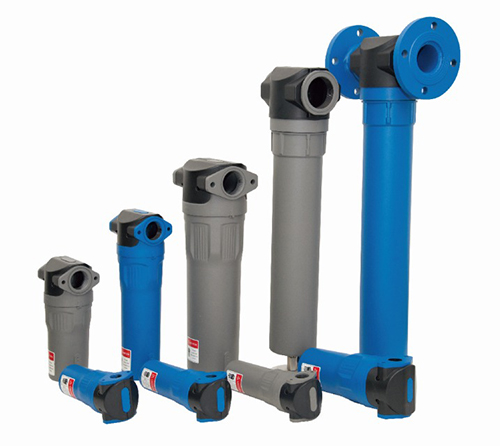
Choosing the right line filter for your compressed air system isn’t just about protecting your equipment. When you are running specialized applications like automotive spray-painting or sensitive pneumatic machinery, the right filter is what stands between a flawless finish and a costly mistake.
If you are operating in the GCC region, managing ambient heat, humidity, and airborne contaminants makes filtration even more critical. Here is a practical look at how high-quality oil vapor adsorbing filters keep your operations clean, and why finding a reliable regional supplier matters.
Why Standard Filters Miss the Invisible Threat
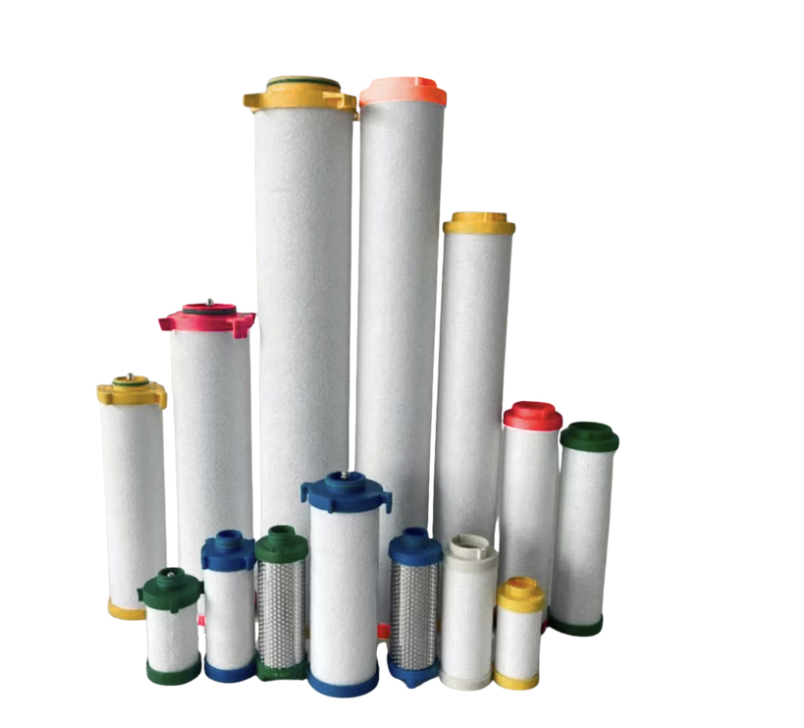
Most standard line filters are designed to catch bulk liquids and solid particles. They do a great job of stopping rust flakes or water droplets, but they completely miss oil vapor.Oil vapor is oil in a gaseous state. Because it travels smoothly through standard particulate elements, it passes right into your air stream undetected until it reaches the point of use
The Chemistry of Clean Air
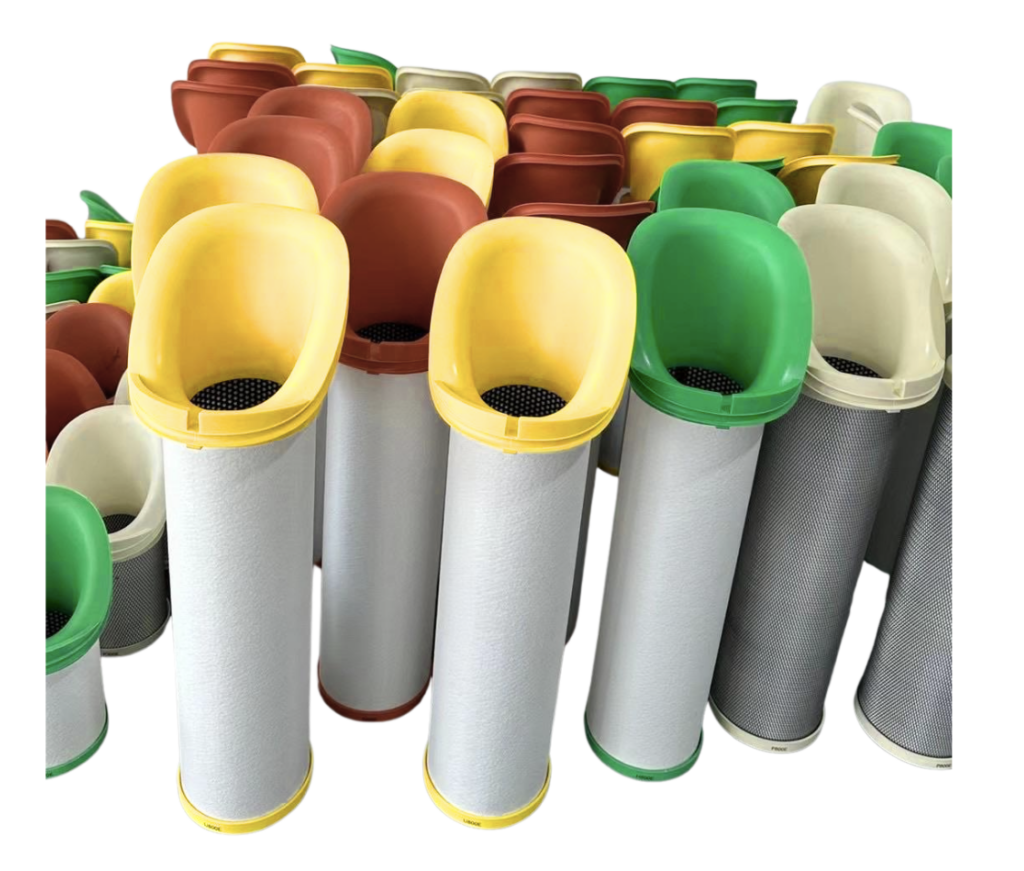
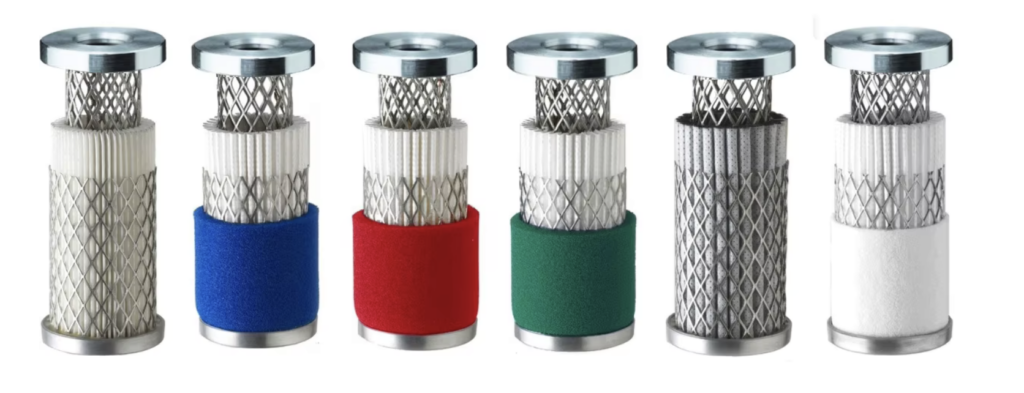
To catch vapor, you need an adsorbing filter (often called an activated carbon filter). Unlike absorption (where a material soaks up liquid like a sponge), adsorption is a surface-level chemical attraction. The activated carbon inside the filter element attracts oil molecules and locks them to its massive internal surface area.
When compressed air passes through a high-precision carbon stage, it strips out the hydrocarbon vapors and odors, leaving you with technically oil-free air.
Critical Applications for Vapor Adsorption
While every pneumatic system benefits from clean air, two industries in the GCC cannot function reliably without precise vapor filtration.
1. Automotive and Industrial Spray-Painting
In a spray booth, oil vapor is the ultimate enemy. Even a microscopic trace of oil in the air line will disrupt the surface tension of the paint. This causes a notorious defect known as “fish eyes” (small, crater-like rings in the finish). When this happens, the only fix is to sand the panel down and start over, wasting time, labor, and expensive coatings.
2. High-Precision Pneumatic Airlines
Modern automated production lines rely on sensitive pneumatic valves, cylinders, and logic controllers. Oil vapor traveling through these lines can mix with fine ambient dust to form a sticky sludge. This sludge clogs tiny orifices, degrades internal seals, and causes valves to stick, leading to unexpected downtime and expensive component replacements.
Finding a Reliable Supplier in the GCC
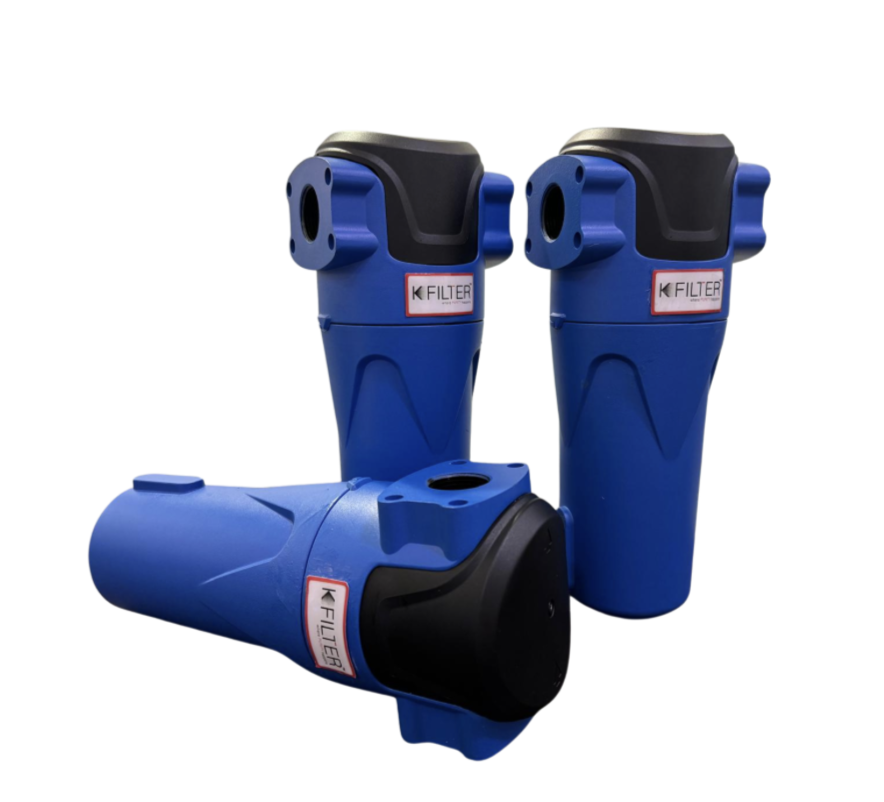
In industrial maintenance, waiting weeks for a replacement filter element is rarely an option. Working with a dedicated regional manufacturer and supplier brings distinct operational advantages:
- Fast Local Delivery: Sourcing your line filters within the GCC slashes lead times. Instead of waiting on international freight and lengthy customs delays, you get critical filtration components delivered directly to your facility when you need them.
- Built for Regional Conditions: High ambient temperatures in the Gulf accelerate oil carryover from compressors, meaning filters have to work harder. Sourcing from a specialist familiar with GCC environments ensures your filtration housings and elements are robust enough to handle the local climate.
- Consistent Quality Control: True precision manufacturing means every replacement element fits perfectly, maintains a low pressure drop, and matches the exact micron rating required for your spray-painting or pneumatic setup.
Frequently Asked Questions
1. What is the difference between a standard line filter and an oil vapor adsorbing filter?
Standard line filters use physical barriers to trap solid particles (like rust and dust) and separate liquid water droplets. However, oil vapor is a gas. It passes right through regular filter elements. An adsorbing filter uses a bed of activated carbon to chemically attract and trap gaseous oil molecules and odors, ensuring the air is chemically clean.
2. Why is oil vapor such a massive problem for spray-painting?
When oil vapor travels through your airline to the spray gun, it mixes with the paint. Because oil and paint do not mix, the oil disrupts the surface tension of the coating on the vehicle or structure. This creates tiny, crater-like rings called “fish eyes.” The only way to fix it is to wait for the paint to dry, sand it down, and completely redo the job.
3. How often do I need to replace an activated carbon filter element?
Unlike particulate filters, carbon filters do not usually show a drop in air pressure when they are spent. Instead, they simply stop trapping vapor once the carbon surface is fully saturated. As a general rule, they should be changed every 1,000 operating hours, or as soon as you notice any oil odor down the line. In the high heat of the GCC, you may need to change them slightly more frequently.
4. Can I place an oil vapor filter directly after my compressor?
No. Siting it right after the compressor will ruin the filter very quickly. Carbon elements are designed strictly to catch vapor. If liquid water or liquid oil aerosols hit the carbon bed, it gets clogged and becomes useless. You must always install a water separator and a coalescing filter upstream to catch liquids before the air reaches the vapor filter.
5. How quickly can you deliver replacement line filters within the GCC?
Because we manufacture and supply locally within the GCC region, we can bypass the weeks of shipping delays and customs holdups associated with international freight. We maintain a steady inventory of high-quality precision elements to ensure fast delivery directly to your facility, minimizing your system’s downtime.
https://www.facebook.com/kfilters