 Skip to content

Deep Bed Air Scrubber Purifier (DBAS) for Corrosion Control
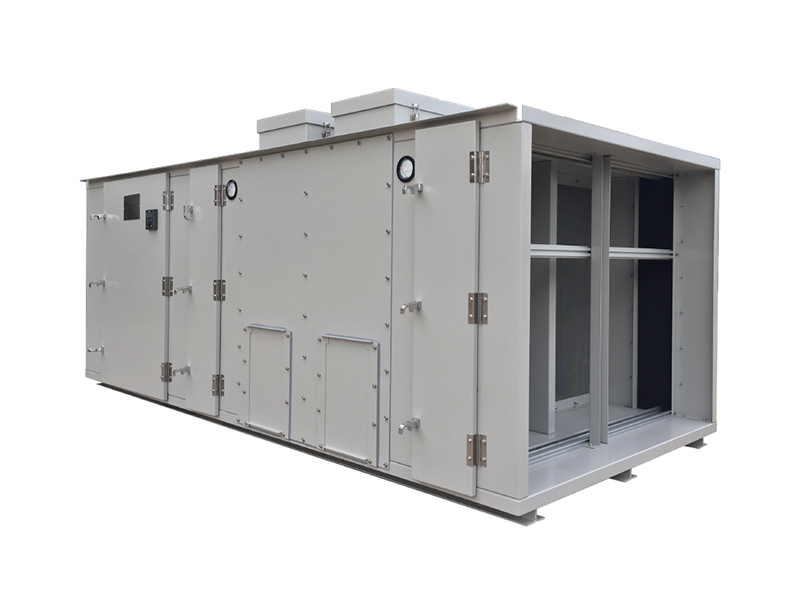
Deep Bed Air Scrubber Purifier (DBAS)
Advanced Industrial Gas-Phase Filtration
Deep Bed Air Scrubber Purifier – In modern industrial landscapes, atmospheric airborne contamination is a silent threat to both operational efficiency and equipment longevity. K Filter Environmental Control, a premier team of gas-phase air filtration engineers, provides the ultimate defense: the Deep Bed Air Scrubber Purifier (DBAS).
Our Deep Bed Air Scrubber Purifier DBAS systems are specifically engineered for heavy-duty fresh air treatment and pressurization applications, ensuring that your facility remains a “zero-corrosion” zone.
High-Performance Dry Scrubbing Technology
K Filter specializes in both wet and dry industrial scrubber solutions. Our dry scrubbers are packed with high-performance granular filtration media, specifically designed for environments with contaminant concentrations below 20 ppm.
By utilizing physical adsorption and chemisorption, these deep-bed units remove gaseous pollutants to non-detectable levels. Despite their heavy-duty filtration capabilities, they maintain a low pressure drop, ensuring energy-efficient operation without taxing your existing HVAC infrastructure.
Targeting Critical Industrial Pollutants
Manufacturing and industrial processes generate a cocktail of corrosive by-products. The K Filter DBAS is engineered to neutralize:
- Hydrogen Sulfide (H2S) and Mercaptans (CH4S)
- Sulfur Oxides (SOx) and Nitrogen Oxides (NOx)
- Chlorine (Cl2) and Ammonia (NH3)
- Volatile Organic Compounds (VOCs) and Hydrocarbons
Whether these contaminants originate from fuel combustion, complex chemical reactions, or automotive fumes, our deep-bed technology ensures they are captured before they can damage sensitive electronics or impact human health.
Beyond Industrial Exhaust: Total Indoor Air Quality
Contamination isn’t always external. In enclosed commercial and industrial spaces, pollutants are often generated internally. The SAPP400 and DBAS systems work in tandem to eliminate:
- Formaldehyde and organic compounds from paints and furnishings.
- Tobacco smoke and persistent food odors.
- Internal process off-gassing.
By treating both intake and recirculated air, K Filter provides a comprehensive shield against the corrosive effects of the modern industrial environment.
Our Key Features
- Control odorous emissions
- Minimize nuisance odor levels to the surrounding community
- Control toxic airborne contaminants
- Gas phase filtration
- Single or double wall acoustically insulated
- High efficiency final filter
- Multi pleated Particulate pre filter
Frequently Asked Questions (FAQ)
Q1: What makes a “Deep Bed” scrubber different from standard filters?
A: Standard filters often use thin layers of media that can quickly become saturated. A Deep Bed Air Scrubber (DBAS) uses a significantly thicker volume of granular media. This allows for higher “dwell time” (contact time), ensuring that even high-velocity air is scrubbed of gases to non-detectable levels.
Q2: Can the DBAS handle both outdoor intake and indoor recirculation?
A: Yes. K Filter DBAS systems are versatile. They can be used for fresh air treatment (cleaning air as it enters the building) or for pressurization applications (maintaining a clean, high-pressure environment that prevents contaminated air from leaking into sensitive rooms).
Q3: When should I choose a dry scrubber over a wet scrubber?
A: Dry scrubbers are ideal for environments where contaminant concentrations are below 20 ppm and where ease of maintenance is a priority. They are highly effective for polishing air to ultra-clean standards required by ISA (International Society of Automation) Class G1 environments.
Q4: How does the “Low Pressure Drop” feature benefit my facility?
A: A low pressure drop means the air flows through the deep media beds with minimal resistance. This allows your fans and motors to work less hard to move the air, leading to significant energy savings and less wear and tear on your ventilation equipment.
Q5: What industries benefit most from DBAS installation?
A: Our systems are critical for Pulp and Paper mills, Oil and Gas refineries, Wastewater treatment plants, Data Centers, and Semiconductor fabrication facilities where even trace amounts of corrosive gas can cause catastrophic equipment failure
