Skip to content

HEPA Filter
Understanding HEPA Grade Classifications: From Commercial to Ultra-Clean Applications
Choosing the right filtration grade is a balance between air purity requirements and energy efficiency. In critical sectors like semiconductor manufacturing and healthcare, mistaking a “HEPA-type” filter for a “Medical Grade” filter can lead to catastrophic equipment failure or safety breaches.

HEPA Filter Are Highly specialized, Important part of our everyday lives.
High Efficiency Particulate Air Filter (HEPA) or Ultra Low Particulate Air (ULPA) is described as filters that are able to trap 99.972 percent of particles of 0.3 microns. ULPA filter traps 99.999% of sub-micron particulate matter of 0.2-micron diameter or larger. Our range of HEPA filters are evaluated using minimum efficiency reporting values (MERVs), which help end user understand the filters’ effectiveness at capturing particles of different size.
High Efficiency Particulate Air Filter (HEPA) are developed by American scientists in 1983 during the second World War. Our research and development team of air conditioning engineers played crucial role in developing standard testing methods. HEPA filters are able to capture dangerous radioactive particles, pollen, pet dander, viruses, bacteria and microorganism.
Extremely effective at improving indoor air quality, our range of HEPA filters are crafted from Enzyme Micro Glass fiber or synthetic fibers mini pleated pack with polytetrafluoroethylene (PTFE) separator with tight pleating that can accommodate high resistance to airflow and the filter media velocity. Our special bactericidal air filter media prevent harmful airborne particles and eliminates active bacteria propagation, spore growth and secondary contamination from microorganisms in air filtration systems.
Direct Impaction: Large contaminants, such as certain types of dust, mold, and pollen, travel in a straight path, collide with a fiber, and stick to it. these larger particles as being like a baseball thrown at a chain-link fence – they’re too big and moving too fast to do anything but smack right into it. This is how your HEPA air filter catches the particles you might actually be able to see: those annoying dust bunnies floating in sunlight, pet dander that makes you sneeze, and even some bacteria that might be lurking in your air.
Sieving: The air stream carries a particle between two fibers, but the particle is larger than the gap, so it becomes ensnared. This process works similarly to a kitchen strainer, where the spaces between fibers act as a physical barrier. The random arrangement of fibers creates countless small gaps, typically ranging from 0.5 to 2.0 microns, which effectively trap particles larger than the spaces between fibers.
Interception: Airflow is nimble enough to reroute around fibers, but, thanks to inertia, particles continue on their path and stick to the sides of fibers. This mechanism is most effective for medium-sized particles (0.5-1.0 microns) that follow the airstream but are large enough to contact fibers as they pass by. When these particles come within one particle radius of a fiber, they’re likely to be captured through van der Waals forces, which are weak intermolecular forces that become significant at these microscopic scales.
Diffusion: Small, ultrafine particles move more erratically than larger ones, so they’re more likely to hit and stick to fibers. This process, known as Brownian motion, is effective for particles smaller than 0.1 microns. These tiny particles bounce around randomly due to collisions with gas molecules in the air, increasing their chances of contacting and adhering to filter fibers. This explains why HEPA filters are actually more efficient at capturing particles smaller than 0.3 microns – their erratic movement makes them more likely to be trapped.
Think of it as a multi-layer security system, where each method catches different troublemakers trying to sneak through your air. Together, these four capture methods are what give HEPA filters their famous 99.97%² efficiency rating for those pesky 0.3-micron particles we talked about earlier.
1. HEPA-Type Filters (Grade E)
Best For: Residential vacuums and low-stakes commercial spaces.
HEPA-Type filters are often marketed as budget-friendly solutions. However, they typically offer an efficiency of only 90% to 95% for larger particles.
- The Reality Check: Terms like “HEPA-like,” “HEPA-style,” or “99% HEPA” are marketing descriptors, not technical certifications.
- The Risk: In hospitals, cleanrooms, or data centers, these filters fail to meet the “True HEPA” threshold. Using Grade E in critical environments results in insufficient filtration and compromised air quality.
2. True HEPA Filters (Grade H)
Best For: Residential, commercial offices, and general industrial air cleaning.
True HEPA filters are engineered from extremely dense mats of randomly arranged fiberglass fibers (0.5 to 2.0 microns in diameter).
- The Technology: Through specialized pleating, they maximize surface area to capture at least 99.97% of particles ≥0.3 microns.
- Performance: They utilize a combination of mechanical interception, diffusion, and electrostatic attraction. Their balanced airflow resistance makes them the global standard for high-quality air purification.
3. Medical-Grade HEPA Filters (H13–H14)
Best For: Operating rooms, isolation wards, and pharmaceutical cleanrooms.
Under the EN 1822 standard, Medical-Grade HEPA filters (H13 and H14) are the gold standard for infection control.
Filtration Power: H13 provides 99.95% efficiency, while H14 reaches 99.995%.
Zero Leakage: These filters utilize ultra-fine fiberglass media with tighter fiber spacing and enhanced sealing techniques to prevent “bypass leakage.”
Critical Use: They are rigorously tested to capture viruses, bacteria, and ultrafine dust particles in environments where airborne contamination control is a matter of life and death.
Comparison of HEPA Efficiency & Pressure Drop
| Filter Grade | Efficiency (@ 0.3μm) | Typical Pressure Drop (Pa) | Primary Application |
|---|---|---|---|
| HEPA-Type (E) | 90% – 95% | 50 – 100 Pa | Domestic Vacuums |
| True HEPA (H) | 99.97% | 150 – 250 Pa | Commercial Offices |
| Medical (H13/H14) | 99.95% – 99.995% | 200 – 300 Pa | Surgical Suites |
| Absolute/Ultra (U) | >99.999% | 250 – 500 Pa | Semiconductor Fabs |
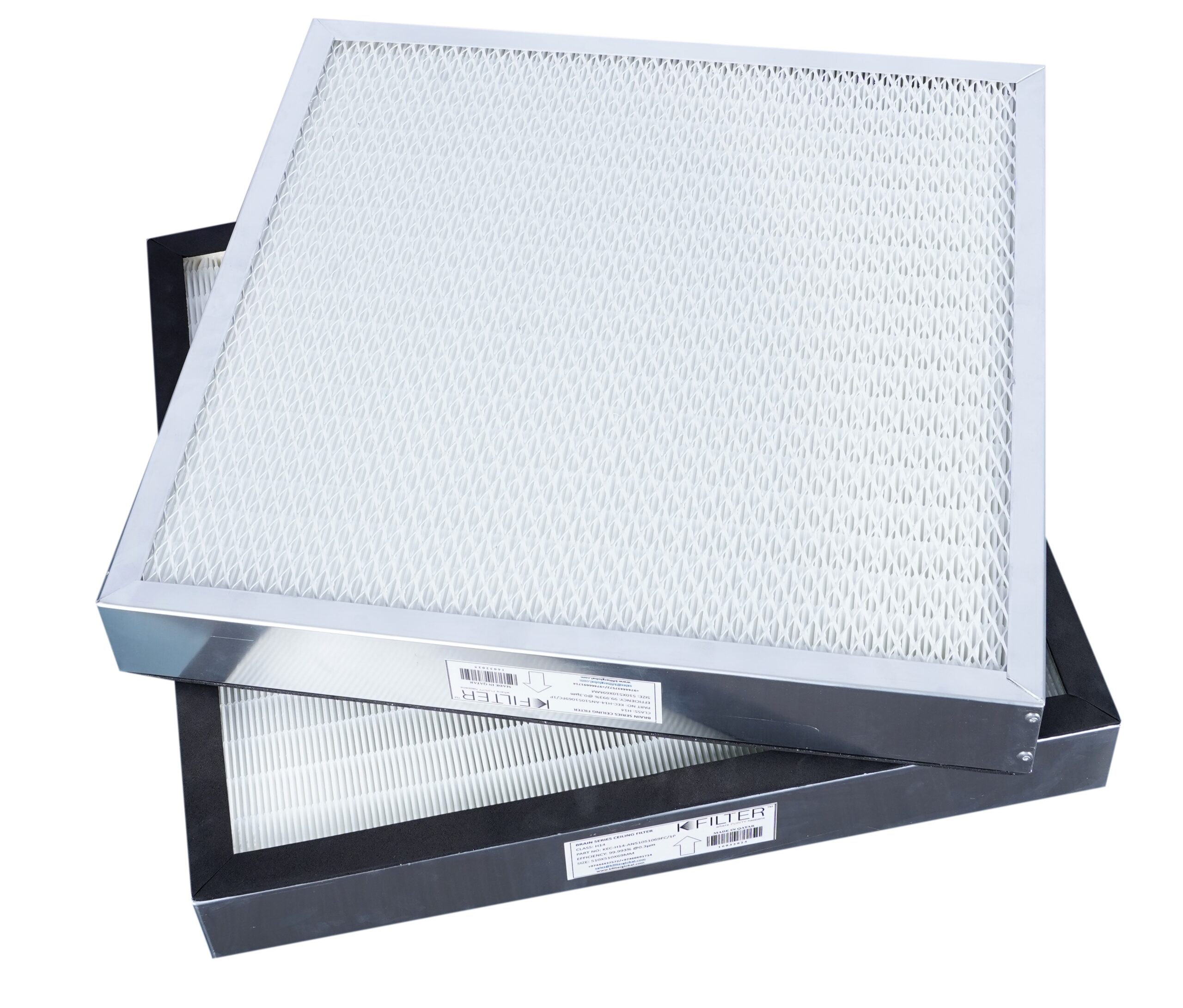
Brain Series Ceiling Filter
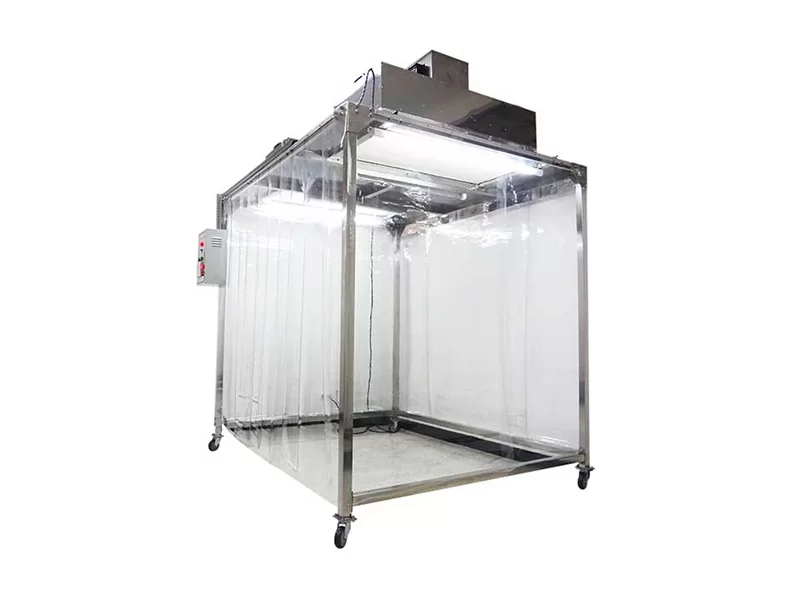
Breeze series laminar flow cabin
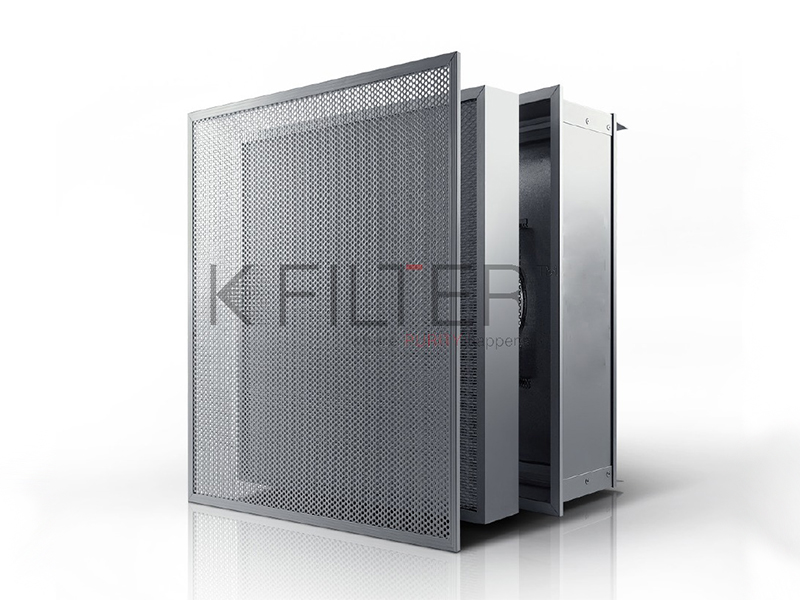
TH Series HEPA Terminal hood Filter
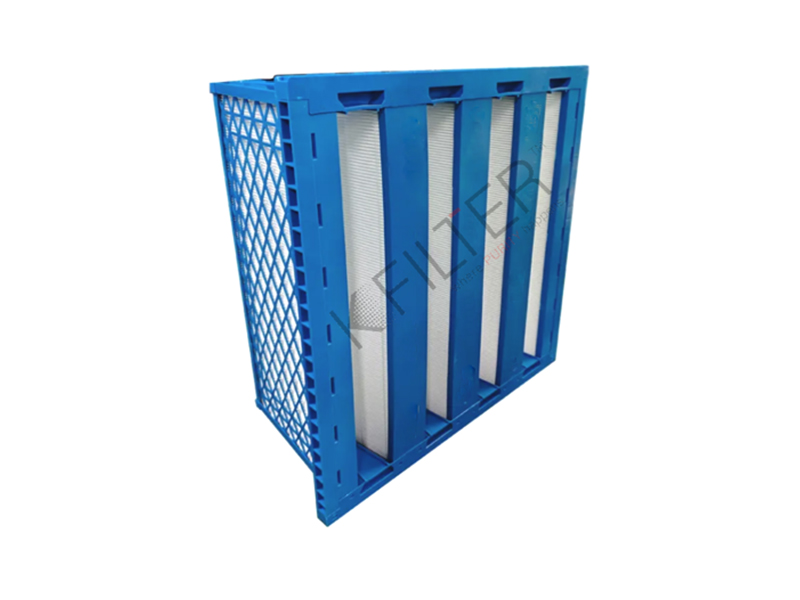
Brain V Bank Series
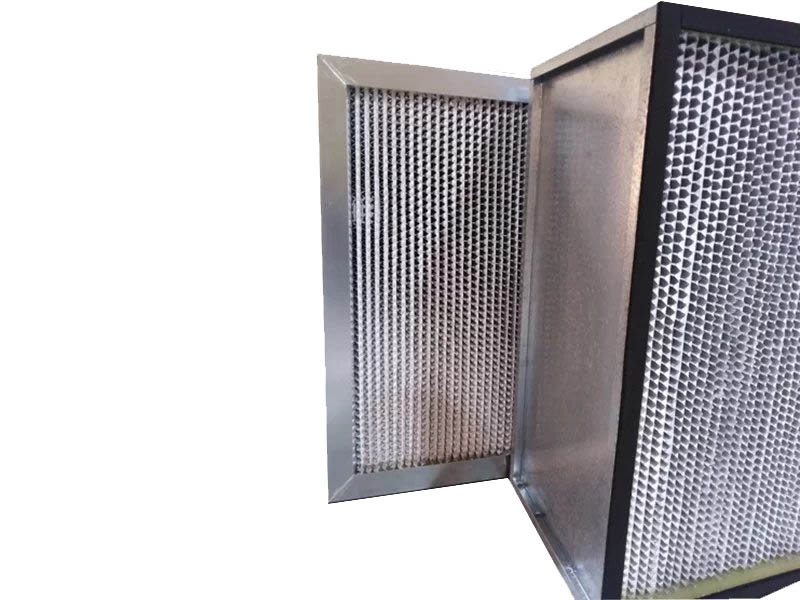
Brain Series AS HEPA Filter

Biosafety Cabinet
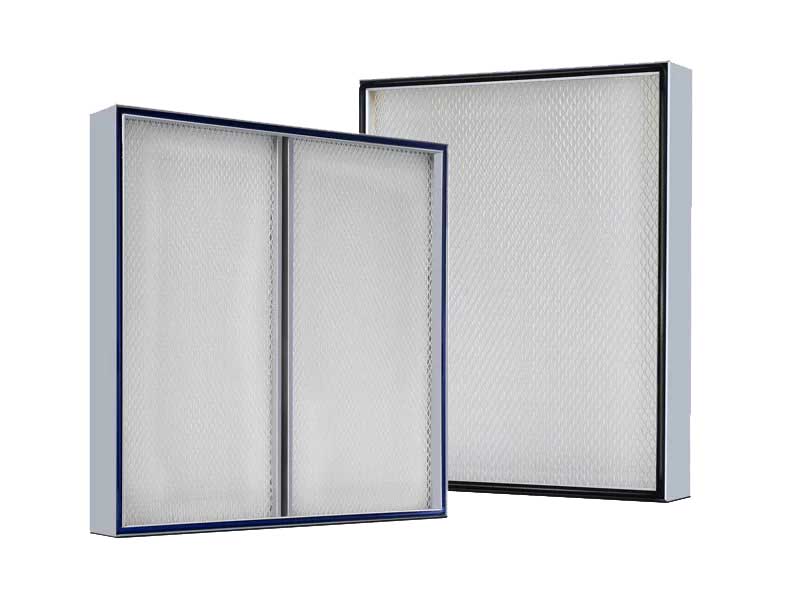
Immaculate Bio Series OT
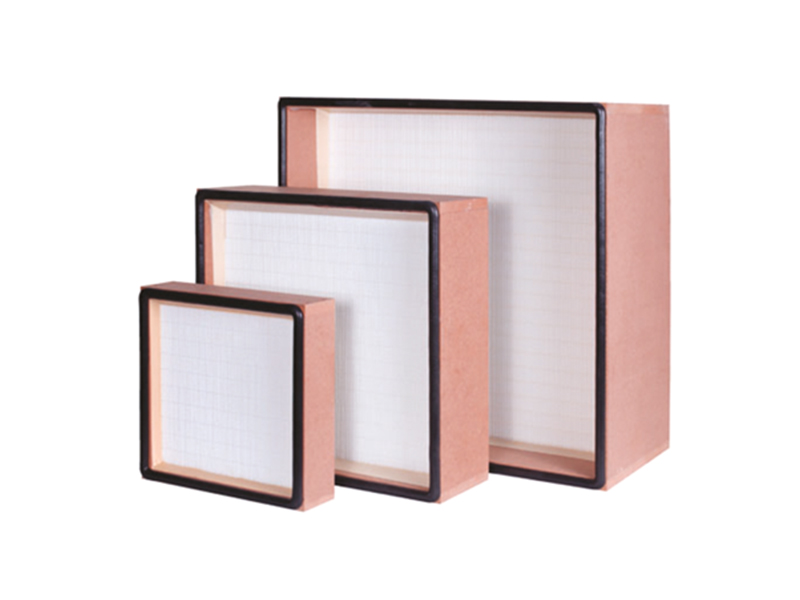
Absolute HEPA Bio Series
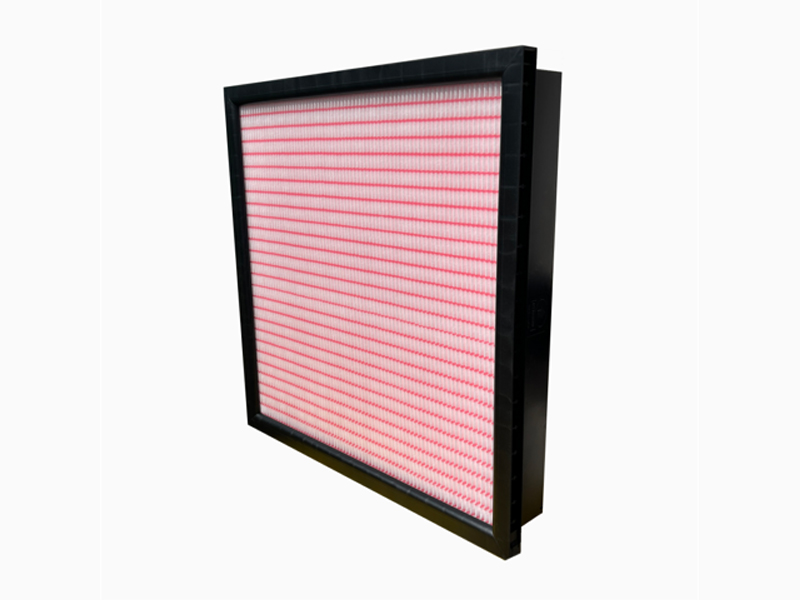
Clean Series Mini pleat media pack
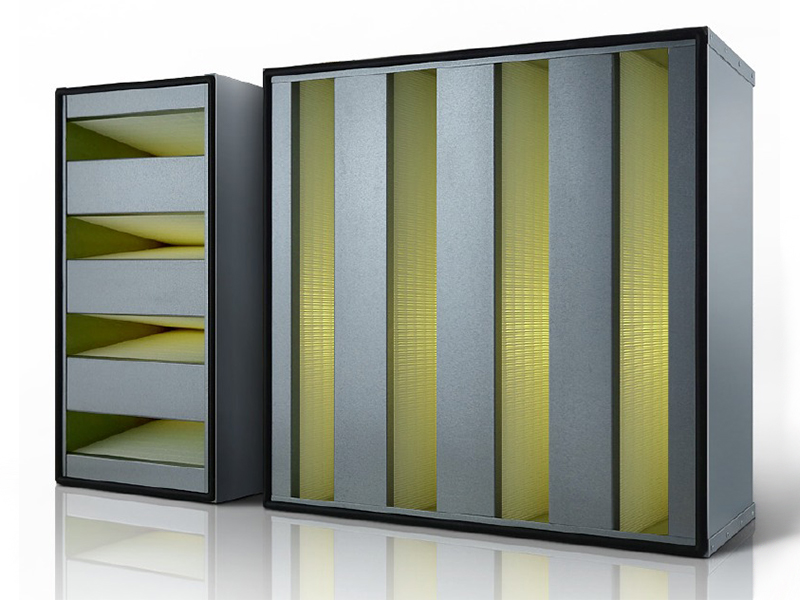
Brain Series V module