 Skip to content
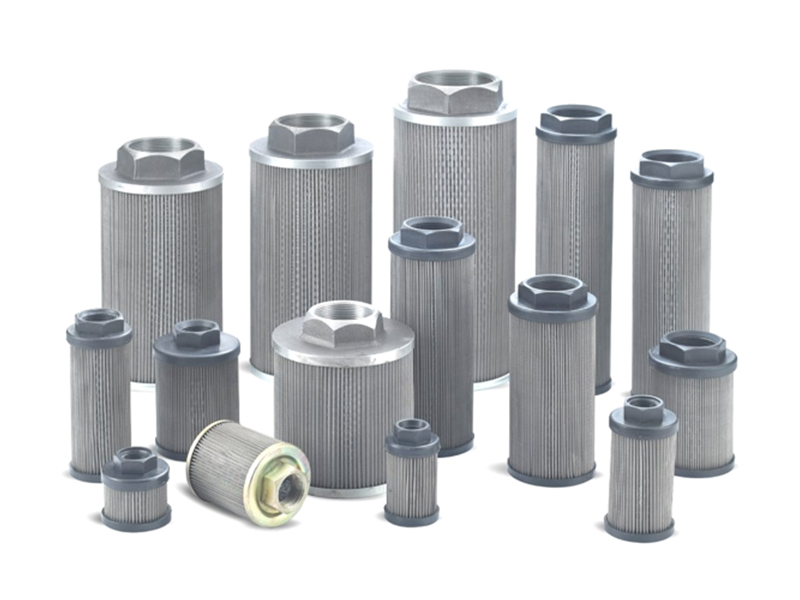
High-Performance Hydraulic Suction Strainers: Superior Protection for Hydraulic Systems
In any hydraulic circuit, the suction strainer is the first line of defense. Designed to trap and remove debris and impurities from hydraulic fluids, these filters are critical in preventing catastrophic damage to sensitive downstream components like pumps and valves.
Whether you are operating in the high-heat industrial sectors of the Middle East or the precision manufacturing hubs of Europe, our suction strainers ensure your hydraulic fluid remains pure and your systems stay operational.
Engineered for Durability: 100% Stainless Steel 316 or Super Duplex
Unlike standard carbon steel or plastic-based filters, our range is manufactured from 100% Stainless Steel 316 screen mesh. This provides:
Corrosion Resistance: Ideal for marine, offshore, and chemical applications.
Temperature Resilience: Fully operational up to +100ºC, making them suitable for high-heat environments.Precision Filtration: Available in multiple mesh sizes including 20, 30, 50, 63, 74, 80, and 100 mesh, allowing you to select the exact micron rating for your fluid viscosity
______________________________________________________________________________________________________________________________________________
Versatile Configurations for Every Application
We understand that hydraulic systems vary by region and industry. That is why our suction strainers offer unmatched flexibility:
1. Pressure Range & Duty Cycles
- Low-Pressure Filters: Optimized for operating pressures of 15 bar or less.
- Heavy-Duty Strainers: Specifically designed for continuous operation in demanding applications with low to medium pressures, ensuring longevity in 24/7 industrial environments.
2. Specialized Magnetic Protection
For systems prone to metallic wear, we offer special-type suction strainers equipped with magnetic bars. These bars capture fine ferrous particles that standard mesh might miss, preventing abrasive wear on precision pump internals.
3. Global Connection Standards
Our filters are ready for international installation with numerous connection variants:
BSP Threads (ISO 228): The standard for European and Middle Eastern hydraulic systems.
NPT Threads (ANSI B1.201): Ideal for North American-spec machinery and oil & gas applications.
Our Key Features of Hydraulic Suction Filters
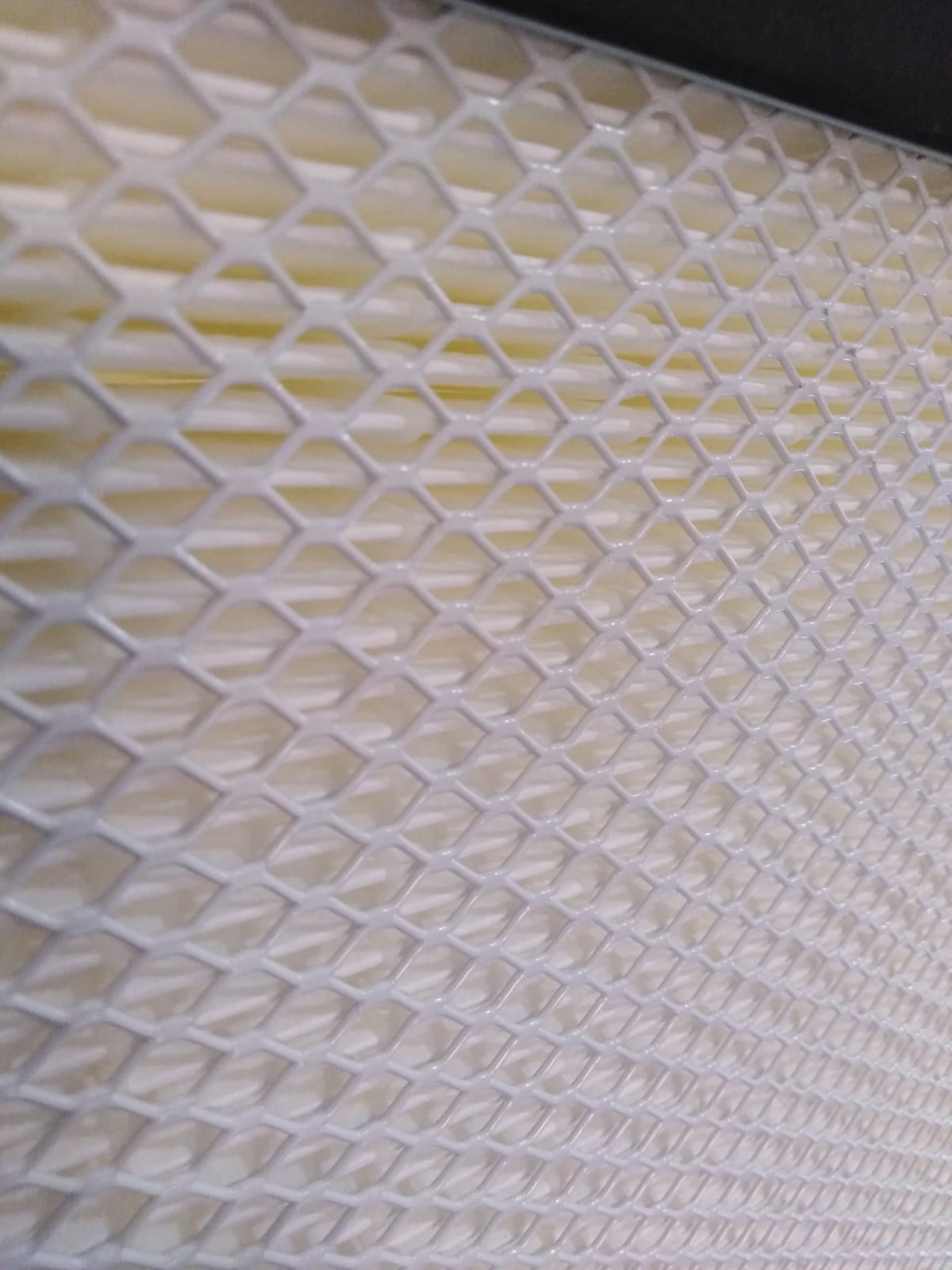
- A rounded root and crest pleat design
- Enables 100% filter area utilization
- Boosting efficiency and ensuring a cleaner and longer life
- Clean and reused numerous times
- End caps with the original mechanical lock design
- Assembled with our high-strength two-part epoxy resin bonding agent
- Prevents extreme vibration or shock
- prevents separation failure
- All of our filters feature the following
- Customized Option
Purpose of Suction filter
- Prevent the entering of large size solid contaminants
- Downstream of filtration lifetime get expended
- Reduced the solid particle load in system
- Prevent general oil clean line level requirement
Technical Specifications Table
| Feature | Specification |
|---|---|
| Material | 100% Stainless Steel 316 (SS316) |
| Mesh Sizes | 20, 30, 50, 63, 74, 80, 100 Mesh |
| Operating Temp | Up to +100ºC |
| Threads | BSP (ISO 228) or NPT (ANSI B1.201) |
| Safety Option | Available with or without Bypass Valve |
| Enhancements | Optional Integrated Magnetic Bars |
______________________________________________________________________________________________________________________________________________
Frequently Asked Questions (FAQ)
1.Why is a bypass valve important in a suction strainer?
A bypass valve is a critical safety feature. If the strainer becomes heavily contaminated and the pressure drop increases significantly, the bypass valve opens to ensure the pump is not starved of fluid (preventing cavitation), which could lead to immediate pump failure.
2.What are the benefits of using SS316 mesh in the Middle East?
The Middle East often presents harsh environmental conditions, including high salinity in coastal areas and extreme ambient heat. Stainless Steel 316 offers superior resistance to chloride corrosion and maintains its structural integrity at high temperatures compared to 304 stainless or synthetic materials.
3.When should I choose a strainer with a magnetic bar?
If your hydraulic system involves heavy-duty mechanical gears or components that may shed fine iron or steel particles, a magnetic bar is highly recommended. It acts as a secondary failsafe to “pull” metallic contaminants out of the fluid stream.
4.Are you able to make strainer in super duplex martials?
Yes . Super Duplex (e.g., S32750 / S32760) is a major upgrade for the Middle East and European offshore markets because it offers much higher strength and corrosion resistance than standard SS316
______________________________________________________________________________________________________________________________________________
Super Duplex Suction Strainers: Extreme Corrosion Resistance for Offshore & Marine
In high-salinity environments like the Arabian Gulf, North Sea, and African offshore basins, standard stainless steel often falls short. For systems handling aggressive fluids or operating in corrosive maritime climates, Super Duplex Stainless Steel is the industry-standard solution.
Our custom-engineered suction strainers are now available in Super Duplex materials, providing double the mechanical strength and significantly higher pitting resistance than traditional SS316.
Why Choose Super Duplex for Your Hydraulic System?
1. Superior Pitting Resistance (PREn > 40)
Super Duplex contains higher levels of Chromium, Molybdenum, and Nitrogen. This makes it virtually immune to pitting and crevice corrosion in warm seawater—a common failure point for hydraulic systems in the Middle East.
2. High Mechanical Strength
Super Duplex is nearly twice as strong as austenitic stainless steels. This allows for:
- Thinner, lighter designs that maintain high structural integrity.
- Extreme Durability in high-pressure suction applications where mechanical stress is constant.
3. Maximum Service Life
- By switching to Super Duplex, facilities in the oil & gas and desalination sectors can significantly extend their Mean Time Between Failures (MTBF), reducing costly downtime and maintenance cycles.
______________________________________________________________________________________________________________________________________________
FAQ: Super Duplex vs. Stainless Steel 316
1.When should I upgrade from SS316 to Super Duplex?
If your hydraulic system is exposed to seawater, brine, or highly acidic environments, SS316 may suffer from “pitting.” If you are seeing small holes or rust spots on your current strainers, an upgrade to Super Duplex is required to protect your downstream pumps.
2. Are Super Duplex strainers compatible with standard BSP/NPT threads?
Yes. We precision-machine our Super Duplex strainers to match all standard international thread specifications, including BSP (ISO 228) and NPT (ANSI B1.201), ensuring a “drop-in” replacement for your existing systems.
- 3. Can these be equipped with magnetic bars?
Absolutely. We can integrate high-intensity magnetic bars into the Super Duplex frame to provide dual-action protection: capturing both non-ferrous debris through the mesh and fine ferrous particles via the magnet.
