 Skip to content
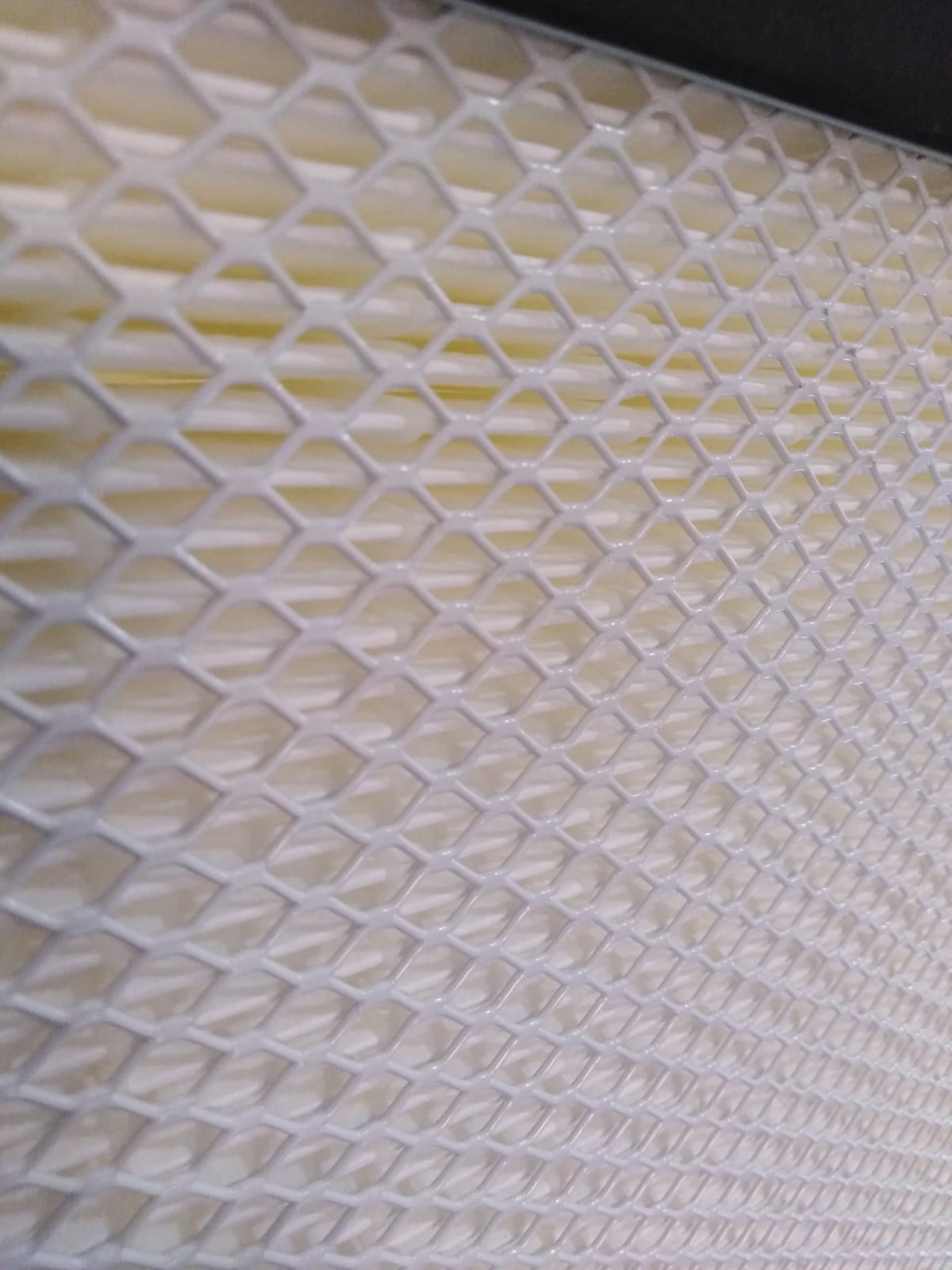
F7 Fine Pak Bag Pocket Filter
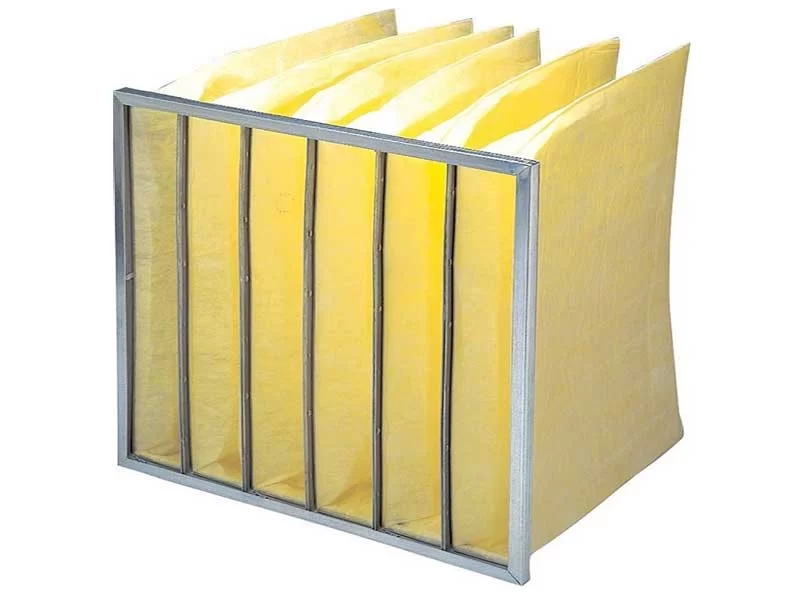
Fine Pak Bag Series
High-Efficiency F8 / ePM1 Pocket Filters
The Engineers-Recommended Standard for Hospitals, Airports,Metros Station, Data Center and Urban Infrastructure
In the world’s busiest hubs—from the Metro Stations of Asia to the Airports of the Middle East and the Healthcare facilities of Europe—air quality is a matter of safety. K Filter’s Fine Pak Bag Series is a high-efficiency ISO 16890 ePM1 filtration solution, engineered to provide an elite secondary stage of air treatment.
Utilizing a sophisticated blend of thermally bonded polyester and polypropylene synthetic media, our Fine Pak Bag filters represent the most economical yet high-performance solution for removing microscopic, harmful contaminants.
Engineered for High-Traffic & Critical Environments
Our Fine Pak Bag filters are designed to endure the rigors of turbulent airflow while maintaining a sterile environment.
🛠️ Advanced Engineering for High-Traffic & Critical Environments
In high-velocity systems found in Metro Stations, Airports, and Healthcare facilities, filters are subjected to extreme mechanical stress. Our Fine Pak Bag F8 series is engineered to solve the “three failures” of standard pocket filters: Media Migration, Pocket Clumping, and Pressure Spikes.
1. High-Velocity Structural Integrity
In transit hubs (Metros and Trams), the “piston effect” of moving vehicles creates rapid, turbulent pressure fluctuations within the AHU (Air Handling Unit).
The Solution: Unlike stitched pockets that can “zip open” under pressure, our Sonic-Weld Technology fuses the polypropylene and polyester layers at a molecular level. This creates a reinforced seam that withstands burst pressures significantly higher than industry standards, ensuring 100% of the air is filtered even during peak turbulence.
2. Aerodynamic Pocket Management
The efficiency of a pocket filter is only as good as its surface area utilization. In many low-cost filters, pockets “clump” together, reducing the effective filtration area by up to 40%.
The Solution: We incorporate Internal Aerodynamic Spacers (Channels). These rigid dividers ensure that each pocket inflates to a precise geometric shape. This ensures a uniform face velocity (Vf ) across the entire media surface, which prevents localized “blinding” and keeps the operational pressure drop (ΔP) to a minimum, directly reducing the SEC (Specific Energy Consumption) of the building’s fans.
3. Gradient Density Multi-Layer Media
Filtration in Hospitals and Malls requires the capture of a wide spectrum of particles, from large dust to microscopic virus-bearing droplets.
The Solution: Our F8 media uses a Progressive Density Structure. The upstream layer is a coarse thermally bonded polyester that acts as a “pre-filter” within the bag itself, while the downstream layer consists of ultra-fine melt-blown polypropylene fibers. This gradient ensures Deep-Bed Loading—particles are trapped throughout the thickness of the media rather than just on the surface—doubling the Dust Holding Capacity (DHC) compared to single-layer alternatives.
______________________________________________________________________________________________________________________________________________
Why Fine Pak Bag
Our Fine Pak Bag filters are designed to endure the rigors of turbulent airflow while maintaining a sterile environment in:
Hospitals & Healthcare: Specifically engineered to remove bacteria, fungi, and virus-bearing particles, ensuring clinical-grade air for patient safety.
Airports & Metro Stations: Optimized to capture the heavy concentrations of smoke, fumes, and jet/diesel exhaust common in transit hubs.
Malls & Commercial Towers: Provides the “Grade A” indoor air quality required by high-end consultants to meet global green building standards.
Data Centers: Protects sensitive server electronics from fine urban carbon dust that can cause micro-corrosion.
| Technical Specification | Feature |
|---|---|
| Filter Media: Pure Synthetic Fiber Melt blown | Low start pressure drops |
| Frame: Galvanized steel, PVC, aluminum, or SS304 | High dust-holding capacity |
| Bag Depth: Standard 300, 360, 380, 500, 535, 600, 635 | Reduced operating cost |
| Filter Class: ePM2.5 70% | Provides long service life |
| Max. Operating Temperature: 75°C | Lightweight |
| Recommended pressure drop: 65Pa Maximum final pressure: 450 Pa Standards UL 900 Removes Particles Down To 0.3 to 2.5 microns | |
| (6-pocket filter) |
______________________________________________________________________________________________________________________________________________
Frequently Asked Questions (FAQ)
1. What is the ISO 16890 equivalent for the F8 Fine Pak Bag?
A: Our F8 Fine Pak Bag is rated as ePM1 70% to 80% (depending on pocket depth). This means it is certified to remove at least 70% of particles sized 1 micron and smaller, which includes viruses, smoke, and fine combustion soot.
2. Why do consultants recommend F8 filters for urban “Metro Stations” and “Malls”?
A: In dense urban environments in Europe and Asia, the air is full of ultra-fine carbon particles from traffic. An F8-rated filter is the minimum standard required to achieve “Adequate Indoor Air Quality” by removing these harmful, lung-penetrating pollutants.
3. Is the polypropylene media moisture-resistant?
A: Yes. For our clients in Asian and African tropical climates, the synthetic polypropylene fibers are naturally hydrophobic. They will not absorb water or sag, ensuring consistent performance even in 90%+ humidity.
4. How does the Fine Pak Bag withstand “Turbulent Airflow”?
A: In large AHUs (Air Handling Units), air pulses can cause cheap filters to tear. Our thermal bonding and sonic-welded seams provide a much higher burst strength than traditional stitched filters, ensuring the filter remains intact under heavy air loads.
5. Can these be used as a pre-filter for HEPA systems?
A: Absolutely. In Hospitals and Clean Rooms, using the Fine Pak Bag F8 as a second-stage filter significantly extends the life of your expensive EN 1822 HEPA filters by capturing the majority of fine particulates before they reach the final stage.
Technical Specifications for Consultants
| Technical Parameter | K Filter Fine Pak (F8) Specification | Industry Standard (Typical) |
|---|---|---|
| ISO 16890 Class | ePM1 70% – 85% | ePM1 50% – 60% |
| Media Bonding | Thermal (Binder-Free) | Chemical Resin (Outgassing risk) |
| Sealing Method | Continuous Sonic Weld | Mechanical Stitching |
| Moisture Resistance | 100% Hydrophobic | Hydrophilic (Absorption risk) |
| Temp. Stability | Up to 80°C | Usually <65°C |
| Flammability | DIN 53438 (F1) | Standard Class |
______________________________________________________________________________________________________________________________________________
Fine Pak Bag pocket filter are available in Antimicrobial Treated?
Yes, the Fine Pak Bag F8 / ePM1 series can be supplied with antimicrobial treatment specifically for high-risk environments like Hospitals, Pharmaceutical labs, and Food Processing plants in the Europe, Middle East, and Asian markets.
In humid climates—such as Southeast Asia or coastal regions in the Middle East—moisture can lead to microbial “blow-through” where fungi and bacteria grow on the filter media. Our antimicrobial treatment prevents this.
🛡️ Why Antimicrobial Treatment is Critical for Healthcare & HVAC
When organic dust and moisture trap in a standard pocket filter, it creates a “breeding ground.” Our treated Fine Pak Bags solve this through:
Biostatic Inhibition: The antimicrobial agent is integrated into the thermally bonded synthetic fibers(polypropylene/polyester). It works by rupturing the cell cell walls of microorganisms, effectively “killing” them on contact.
Prevention of Odors: By stopping the growth of bacteria and fungi, the filter prevents the “musty smell” often found in older HVAC systems in large Commercial Buildings and Malls.
Enhanced Secondary Protection: In Hospitals, this treated F8 stage acts as a “active barrier,” reducing the microbial load before the air ever reaches the final HEPA filters.
1. Does the antimicrobial treatment affect the F8 / ePM1 filtration efficiency?
A: Not at all. The treatment is a microscopic molecular coating. The filter maintains its ISO 16890 ePM1 70-85% efficiency while adding a chemical layer of protection that standard mechanical filters lack.
2. Is this treatment recommended for Data Centers?
A: While not mandatory for electronics, it is highly recommended for Data Centers in tropical Asian and African climates. It prevents fungal spores from entering the cooling aisles, where they could settle on sensitive components and cause “bio-corrosion.”
3. Is the antimicrobial agent safe for humans?
A: Yes. We use EPA-registered and European-compliant antimicrobial agents that are non-toxic and non-allergenic. They are designed to target microorganisms at the cellular level without affecting indoor air quality for building occupants.
5. Can I wash an antimicrobial-treated pocket filter?
A: No. While the G3/G4 coarse bags are washable, high-efficiency Fine Pak F8 filters (treated or untreated) are disposable. Washing will damage the fine melt-blown polypropylene fibers and reduce the antimicrobial effectiveness.
