 Skip to content
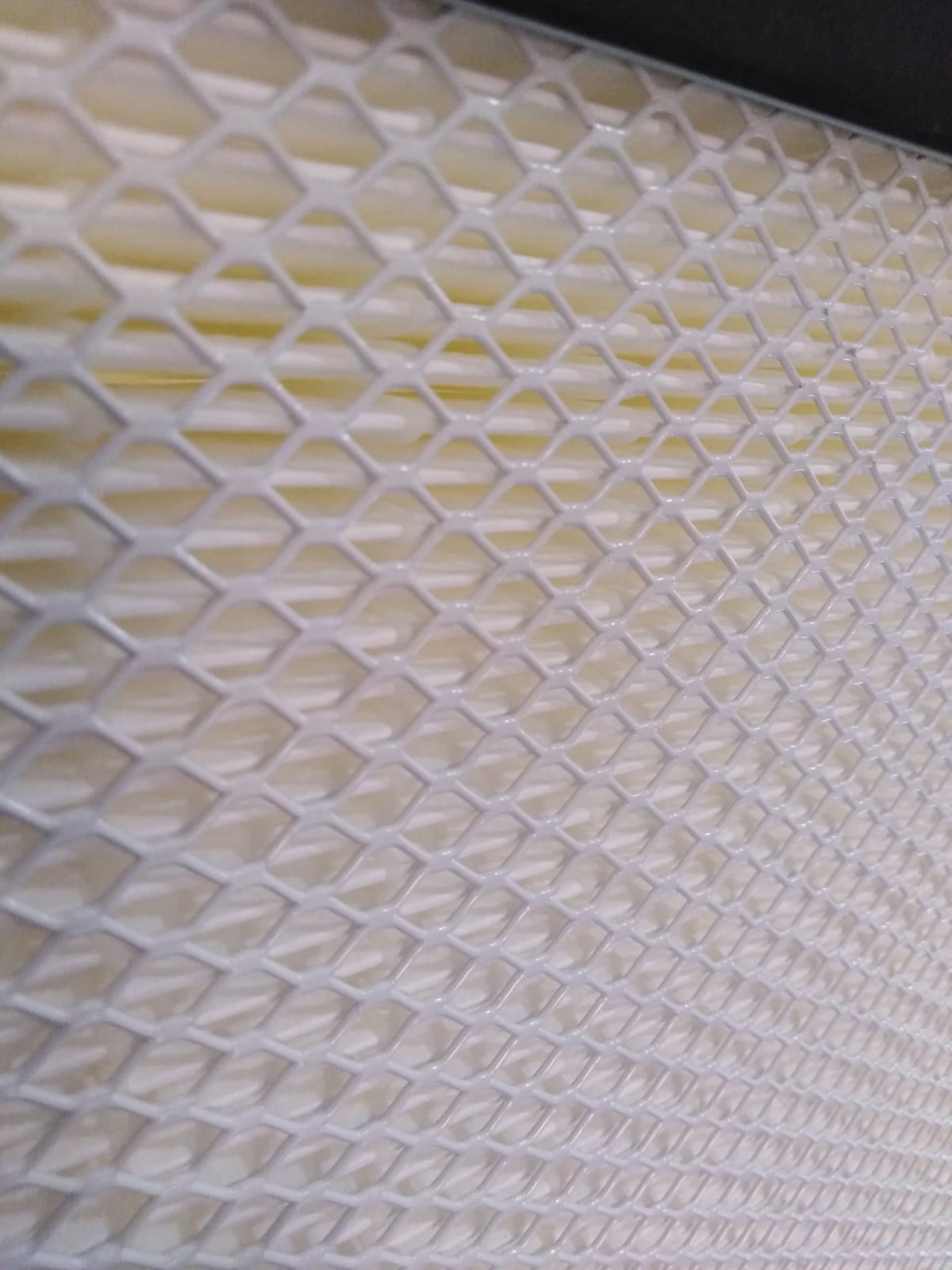
Brain V Bank Series
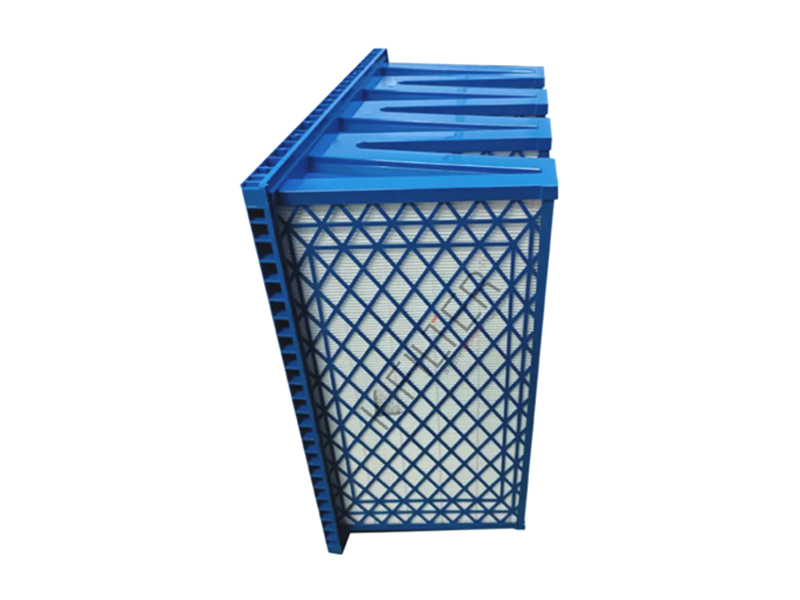
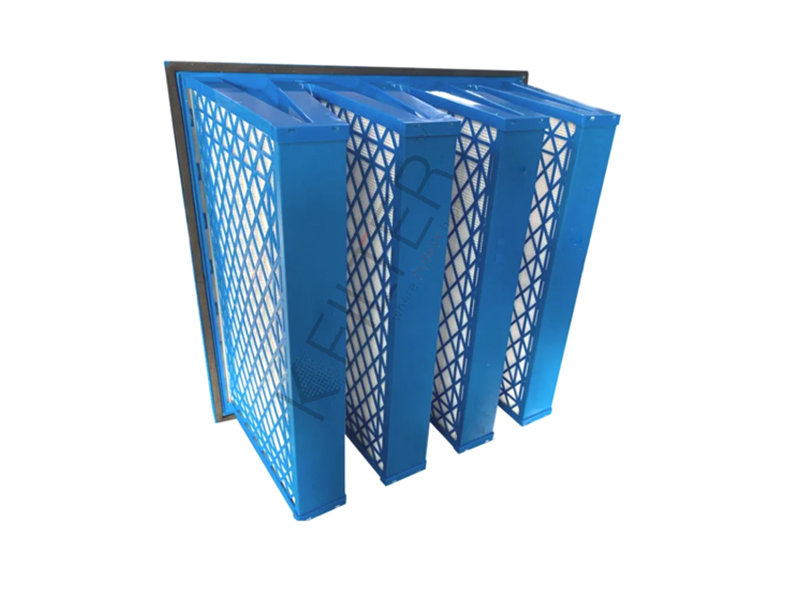
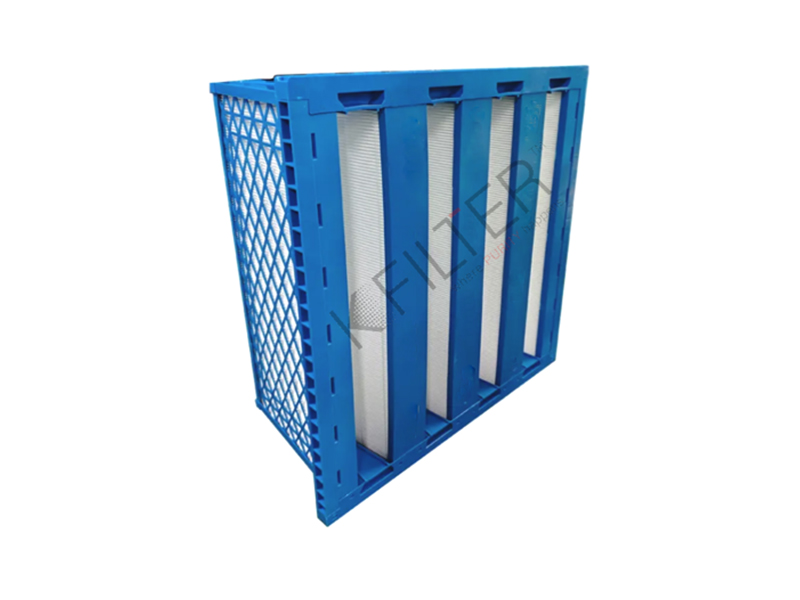
Brain V Bank Series HEPA & ULPA Filters
Next-Gen Infection Control HEPA And ULPA Filters
In critical environments like hospitals, data centers, and semiconductor fabrication plants, air purity isn’t just a preference—it’s a requirement for operational continuity and human safety. The Brain V Bank Series represents the pinnacle of airborne virus and flu infection control, critical IT equipment from microscopic contaminants specifically engineered to meet the rigorous demands of the European and Middle Eastern markets.
Why the Brain V Bank Series?
K Filter compact V-cell rigid filters are designed to capture superior fine particles, including microorganisms and viruses, ensuring a sterile environment regardless of external pollutants.
Superior Filtration Efficiency
Whether you require HEPA or ULPA grade filtration, the Brain V Bank Series is tested in accordance with ISO 16890:2016 (ePM1 class). It effectively neutralizes:
- Biological Hazards: Viruses, bacteria, and flu pathogens.
- Fine Particulates: Pollen, ultra-fine dust, and microorganisms.
- Industrial Pollutants: Technical gases and microscopic debris.
______________________________________________________________________________________________________________________________________________
1. Engineered for Extreme Environments
From the high humidity of coastal European cities to the intense dust loads of the Middle East, our filters are built to thrive:
- High Dust Retention: Extended filter life even in high-turbulent airflow.
- Moisture Resistance: Maintains structural integrity in high-humidity zones.
- Zero Outgassing: Ideal for semiconductor cleanrooms where technical gas purity is paramount.
2. Energy-Saving V-Cassette Design
Energy costs are a primary concern for data centers and large-scale hospitals. The Brain V Bank Series utilizes a specialized V-cassette geometry that achieves lower initial pressure losses.
The Result: Reduced strain on your HVAC systems, lower energy consumption, and a smaller carbon footprint.
Industry Applications
| Sector | Key Benefit |
|---|---|
| Hospitals | Advanced infection control against airborne viruses and flu strains. |
| Data Centers | Protection of sensitive hardware from micro-dust and humidity-related corrosion. |
| Semiconductor | Particle-free environments ensuring high yield and technical gas purity. |
Our Key Features
- Low pressure drop
- Air flow rates up to 5000m 3/h
- Large filter surface
- Long service life
- Less energy consumption
- Higher dust holding capacity
- Easy installation
- Fully incinerable without pollutant emission
- Self-supporting and rigid
- Airflow and installation in any direction possible
- Recommended most critical environments.
- Nontoxic and Odorless
- EPDM flat or silicon gasket
Application
- Air handling units
- Clean Rooms,
- Hospitals
- Pharma
- Laboratories
- Food and Beverage
- Laminar Flow
- Data Center
Construction:
- Filter Class : M6-F9
- Med: waterproof synthetic / micro Glass Fiber
- Nominal Airflow(m/s): 2.90
- Air Volume ((m3/hr) : up till 5000
- Initial Pressure drop (Pa) : 65 ‒ 190
- Filter test: ISO 16890:2016, ePM 1 class
- Frame type: Robust ABS %100 recycled plastic frame (PP)
- Separator: Thermoplastic Hot melt
- Sealant: Two component Polyurethane
- Temperature: < 70
- Humidity : <100 % RH
- Gasket: EDPM, PU
- Final Pressure Drop : 450 Pa
- Header depth: 25mm
- Waste disposal: Incineration without emissions of harmful substances
______________________________________________________________________________________________________________________________________________
Frequently Asked Questions (FAQ)
What makes the Brain V Bank Series “Next Generation”?
Unlike standard filters, the Brain V Bank Series uses an advanced V-cell architecture that maximizes surface area. This allows for higher dust loading and lower resistance, meaning you get better air quality with less energy expenditure
2. How does it perform in high-humidity regions?
The filter media and frame are specifically designed to be moisture-resistant. While standard filters might sag or lose efficiency when wet, the Brain V Bank Series maintains its “ePM1” classification and structural rigidity in humid environments common in the Middle East and European coastal areas.
3.Does it comply with European air quality standards?
Yes. All filters are tested and certified under ISO 16890:2016, specifically targeting the ePM1 category. This ensures they capture particles smaller than 1μm (micron), including the most harmful airborne viruses.
4. Is this filter suitable for cleanrooms (Semiconductor/Pharma)?
Absolutely. The “Compact V-cell” design is ideal for technical environments requiring turbulent airflow levels. It eliminates the risk of particle shedding and ensures that the air supplied to the room is free of contaminants that could ruin sensitive silicon wafers or pharmaceutical batches.
5. Can these filters help reduce my facility’s energy bills?
Yes. Because of the lower initial pressure loss compared to traditional cassette-type filters, your fans do not have to work as hard to move air. This leads to significant kilowatt-hour savings over the lifespan of the filter.
6. Brain V bank suitable for data centre microscopic contaminants?
Absolutely. The Brain V Bank Series is specifically engineered to mitigate the unique risks that microscopic contaminants pose to modern data center infrastructure.
In a data centre environment, the danger isn’t just “dust”—it is Zinc Whiskers, sulfur-bearing gases, and fine particulate matter (PM1) that can lead to equipment cooling failure or electrical shorts.
______________________________________________________________________________________________________________________________________________
How Brain V Bank Protects Data Centers
1. High-Efficiency PM1 Filtration
Modern servers have increasingly smaller components, making them vulnerable to microscopic particles.
Targeting ePM1: Tested to ISO 16890, these filters capture particles smaller than 1μm. This prevents the buildup of “micro-dust” on heatsinks and circuit boards, which can cause overheating.
HEPA/ULPA Options: For Tier IV data centers or those in highly polluted urban areas, the HEPA-grade efficiency ensures that the air entering the cold aisle is virtually sterile of inorganic particulates.
2. Combating Gaseous & Micro-Corrosion
In regions like the Middle East or industrial hubs in Europe, outdoor air often contains corrosive elements.
- Technical Gas Elimination: The series is designed to handle “technical gases” and prevent them from entering the data hall.
- Humidity Management: High humidity can turn microscopic dust into conductive sludge. The Brain V Bank’s moisture-resistant design ensures that even in high-humidity events, the filter doesn’t become a breeding ground for moisture-related contaminants.
3. Lowering the Power Usage Effectiveness (PUE)
Data centers are energy-hungry. Any resistance in the airflow increases the energy used by CRAH (Computer Room Air Handler) units.
- Low Pressure Drop: The V-Bank geometry provides a massive surface area. This allows air to flow through at high volumes with minimal resistance.
- Result: You maintain cleanroom-level air quality without spiking your energy costs or forcing your fans to run at higher RPMs.
Technical Performance for Data Halls
| Contaminant Type | Impact on Server | Brain V Bank Solution |
|---|---|---|
| Micro-Dust (<2.5μm) | Blocks airflow in heatsinks. | ePM1 Class filtration captures >95% of these particles. |
| Microscopic Microorganisms | Can cause biological growth in cooling coils. | Anti-microbial design captures and holds spores/bacteria. |
| Saline/Salt Particles | Causes hardware corrosion (Coastal regions). | High-density media traps salt crystals even in high humidity. |
| Carbon/Metallic Dust | Causes “soft failures” or short circuits. | V-Cell rigidity ensures no particle bypass or media shedding. |
_____________________________________________________________________________________________________________________________________________
1.Brain V bank filter can be wash are reusable?
No, the Brain V Bank Series (HEPA/ULPA/ePM1) filters cannot be washed and are not reusable.
While it might be tempting to wash them to save on costs—especially in dusty environments like the Middle East—doing so will actually compromise your facility’s safety and increase your energy bills.
A. Why HEPA and V-Bank Filters Cannot Be Washed?
1. Damage to the Micro-Glass Fiber
These filters use a sophisticated, densely pleated micro-glass fiber or specialized synthetic media.
- The Risk: Water or cleaning agents break down the delicate fibers and the “static charge” that helps trap microscopic viruses.
- You may create microscopic tears (pinholes) that are invisible to the eye but allow viruses and data center contaminants to pass through freely.
2. Loss of “ePM1” and ISO Certification
The ISO 16890 and HEPA ratings are only valid for the filter in its original, manufactured state.
- Once a filter is wetted and dried, the density of the media changes.
- A washed filter will no longer provide the guaranteed protection for semiconductor cleanrooms or hospital surgical suites.
3. Increased Energy Costs (Pressure Drop)
Washing a filter often forces dust deeper into the fibers rather than removing it.
- When the filter dries, these particles “cement” in place.
- A much higher Initial Pressure Drop, forcing your HVAC fans to work harder and significantly increasing your electricity costs.
4. Risk of Mold and Bacteria
In the Middle East and Europe, moisture trapped in a “washed” filter is a major hazard.
- The damp media becomes a breeding ground for mold and bacteria.
- Instead of cleaning the air, the filter begins to release spores into your hospital or data center.
______________________________________________________________________________________________________________________________________________
The “Best Practice” Recommendation
To maximize the lifespan of your Brain V Bank Series and protect your investment:
- Use a Pre-filter: Install a lower-cost, disposable G4 or M5 pleated pre-filter. These catch the heavy dust and sand, allowing the Brain V Bank to focus on the microscopic particles.
- Monitor Pressure Drop: Replace the V-Bank filter only when it reaches its final pressure drop (typically 450–600 Pa, depending on your system).
- Sustainable Disposal: Because our V-Bank series is designed for high dust retention, you get a much longer service life than standard filters, reducing the frequency of replacements and waste
Note for Data Centers & Semiconductor Plants: Using a washed filter will void most equipment warranties, as it can no longer guarantee the “particle-free” environment required for sensitive electronics.
Would you like a recommendation for a compatible pre-filter to help extend the life of your Brain V Bank units in high-dust areas?
