 Skip to content
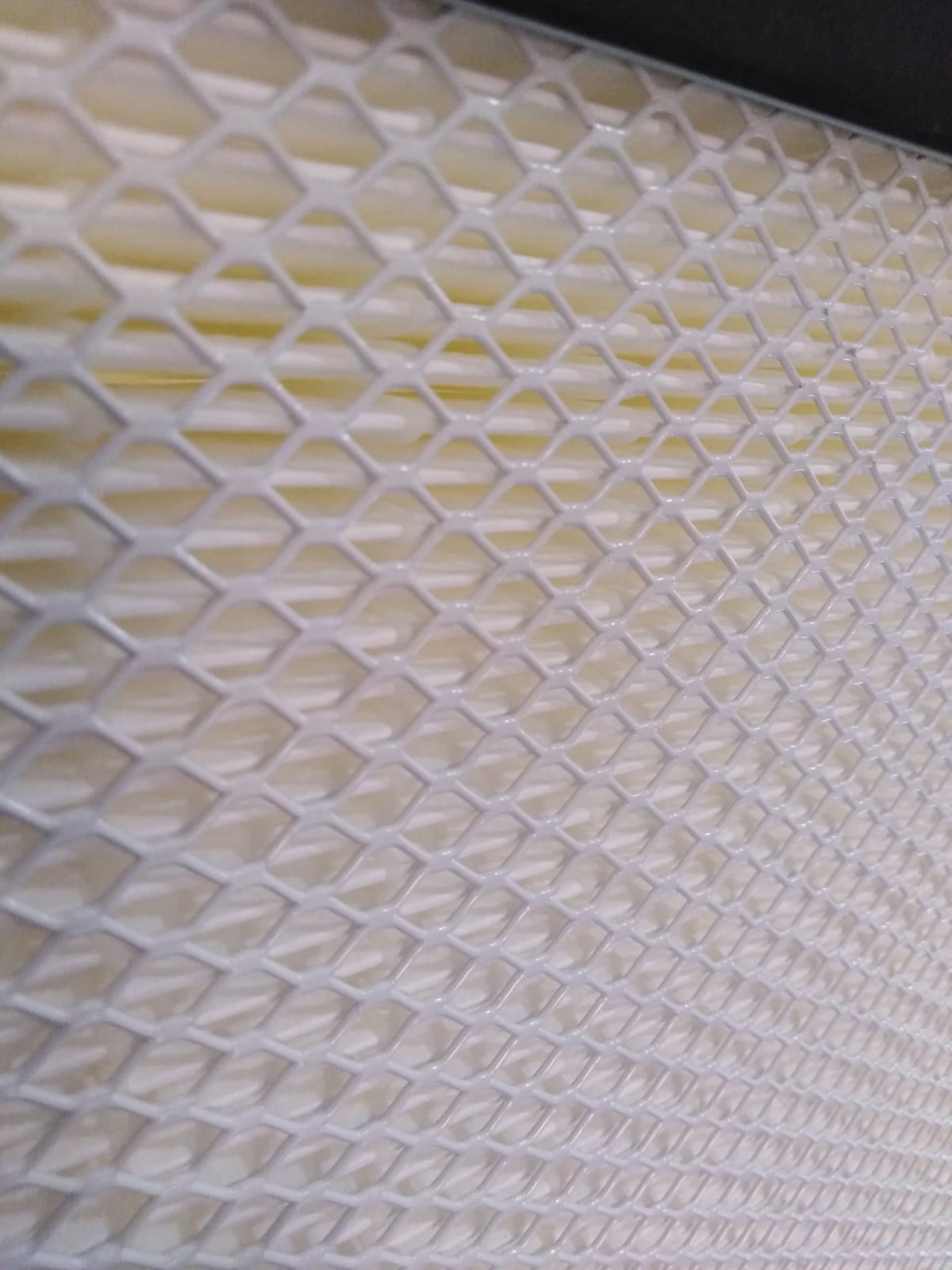
T Series FCU Filter
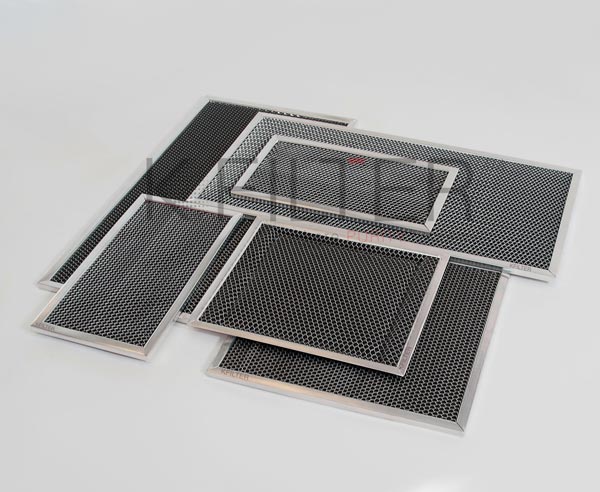
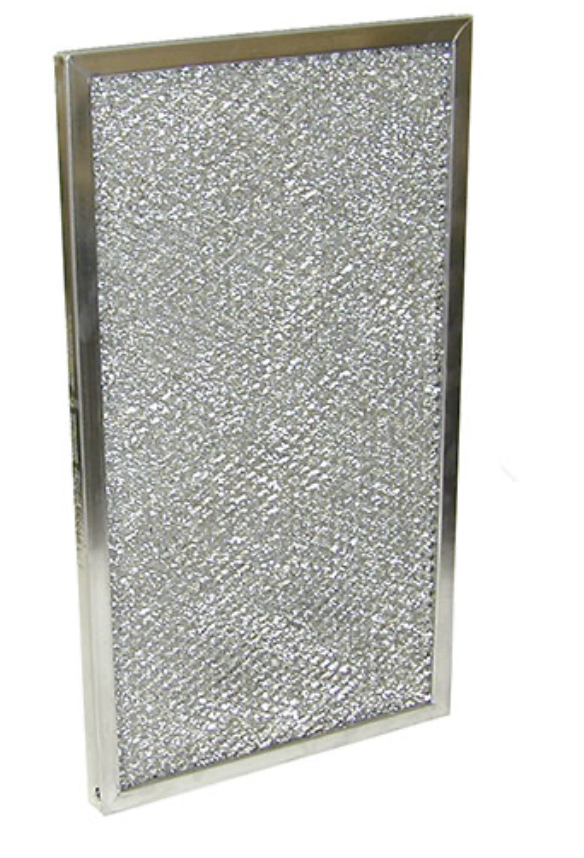
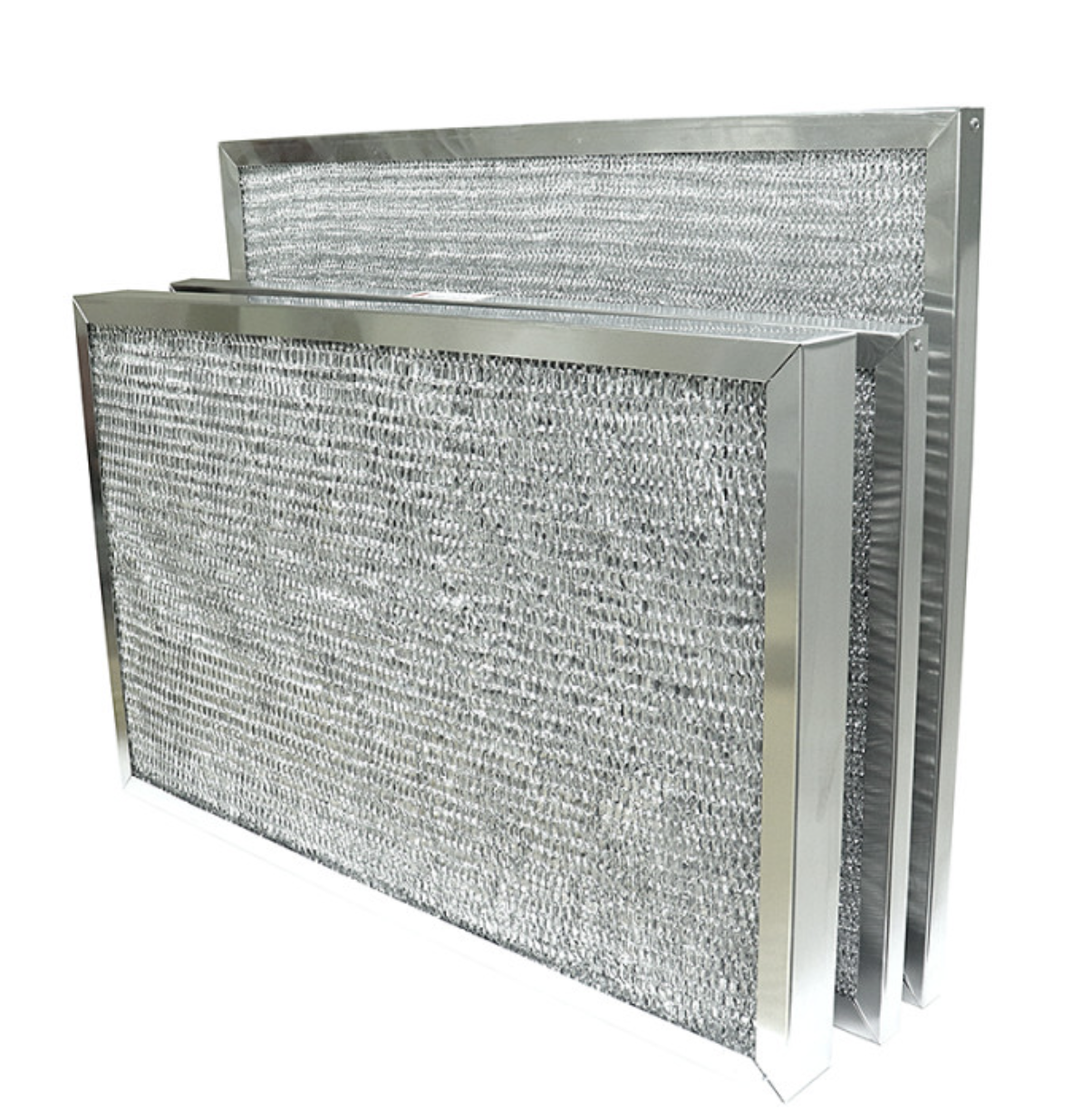
T Series FCU Filters
Multi-Layer Aluminum Filtration for Indoor Air Quality
Maintaining superior Indoor Air Quality (IAQ) in high-occupancy buildings requires a filter that is both durable and highly efficient. The T Series Fan Coil Unit (FCU) Filters are engineered with a sophisticated, multi-layer expanded aluminum mesh designed to capture coarse particulates, oil mists, and moisture from cooling coils. Encased in a non-flammable steel profile, these filters are the professional choice for commercial offices, luxury hotels, and high-end residential developments across the Middle East and Europe.
High-Capacity Pre-Filtration for Coil Longevity “Quality vs. Cost”
Look at your current maintenance budget. You are likely spending thousands on disposable filters that let 70% of the dust pass through to your coils. The T Series is a one-time investment. It’s a washable, antibacterial shield that keeps your coils clean for years. We aren’t just selling a filter; we are selling a permanent reduction in your MEP maintenance budget.”
Advanced IAQ Protection: Washable & Sustainable Engineering
The T Series is defined by its ability to balance airflow performance with rigorous hygiene standards:
Multi-Stage Impingement: The multi-layered aluminum mesh creates a tortuous path for air, effectively “scrubbing” oil mists, grease, and water droplets from the air stream.
Antibacterial Treatment: To combat the “Sick Building Syndrome” common in humid climates, the T Series can be customized with an antibacterial* coating that inhibits the growth of mold and bacteria on the filter surface.
ISO 16890 Coarse Rating: Rated at ePM > 50%, these filters capture the heavy dust and sand circulating in indoor air, protecting the delicate cooling coils from fouling.
Sustainable & Washable: Unlike disposable synthetic filters, the T Series is 100% reusable. A simple wash with mild detergent or a blast of compressed air restores the filter to its original pressure drop, making it an eco-friendly choice for LEED-certified buildings.
Non-Flammable Security: The steel and aluminum construction ensures the filter is entirely non-combustible, meeting the highest fire safety regulations for high-rise infrastructure.
Our Key Features
- Resistant To Micro-Organisms
- Lightweight
- Non Toxic
- Odorless
- Silicon Free
- Good Flame Resistant UL2
- High Quality Filtration
- Environmentally Friendly
- Flexible
- Has Low Thermal Conductivity Etc.
- UL cass2
Application
- Primary filter for fan-coil air intake systems and used as pre filters before fine filters.
- Apartment
- Commercial Building
- Hospital Labs
- House
- HVAC
- Industrial Workplace
- Furnace
- AC Filter
| Construction | Advantage |
|---|---|
| Filter Model: T Series | Robust construction for reliable operation |
| Filter material: Aluminium expanded multi layers mesh | Fully supported media with both side wire grid |
| Efficiency: EN779 –G2 | Economic operation and high filtration surface |
| Filter Class (ISO16890 ): ISO Coarse 50% | High dust holding capacity |
| Gasket: Optional | Low pressure drop |
| Both Perforated wire Surface: Double sided optional | |
| Final Pressure Drop:120Pa | |
| Operating Temperature: 80°C |
FAQ: T Series FCU Filters for International Markets
1. Why is an aluminum mesh filter better for FCUs than nylon mesh?
Nylon mesh is thin and only captures very large lint. The T Series uses multiple layers of expanded aluminum. This increases the surface area significantly, allowing it to trap oil mists and moisture that would otherwise pass through nylon and cause “slime” or mold to grow on your cooling coils.
2. How does the Antibacterial treatment work?
In the Middle East, high humidity often leads to condensation in the FCU, creating a breeding ground for bacteria. Our custom antibacterial treatment is bonded to the aluminum mesh, neutralizing pathogens on contact and ensuring the air being recirculated into the room is hygienic and odor-free.
3. Is this filter suitable for European Eco-Design standards?
Yes. In the European market, sustainability is key. Because the T Series is fully washable and reusable, it significantly reduces the waste generated by disposable filters. Its low initial pressure drop also helps building managers reduce the energy consumption of HVAC fans.
4. How do I clean the T Series filter?
Cleaning is simple and cost-effective. The filter can be rinsed with a mild detergent solution or cleaned with compressed air. This eliminates the need for constant replacement stock and lowers the total cost of ownership for facility management.
5. Can these filters handle kitchen exhaust or greasy air?
While designed for FCUs, the multi-layer aluminum mesh is excellent at capturing grease and oil mist. This makes it an ideal pre-filter for units located near kitchens or in industrial workshops where airborne oils are present.
6. T series FCU filter are washable filter ?
Yes, the T Series FCU Filter is a 100% professional-grade washable and reusable filter.
How to Present the “Washable” Advantage:
Simple Maintenance: It can be cleaned using a mild detergent solution (pressure wash or soaking) or simply blown out with compressed air for dry dust.
Rapid Recovery: After washing and drying, the filter returns to its original Initial Pressure Drop (ΔP), ensuring the fan motor doesn’t overwork.
Zero-Waste Logistics: Because it is permanent, the facility manager doesn’t need to store thousands of replacement filters in a warehouse. This is a massive “Green Building” and LEED-friendly selling point.
Durability: The multi-layer expanded aluminum mesh and galvanized steel frame are built to withstand hundreds of wash cycles without rusting or losing structural integrity.
Comparative Analysis: T Series Aluminum vs. Synthetic Media Panel Filters
| Feature | T Series (Multi-Layer Aluminum) | Standard Synthetic Panel Filter | The K Filter Advantage |
|---|---|---|---|
| Lifecycle | Permanent / Washable | Disposable / Single-Use | ROI: One-time investment vs. recurring monthly procurement costs. |
| Moisture Handling | Excellent (Coalescing Effect) | Poor (Soaks up water/Sags) | Hygiene: Aluminum sheds water; synthetic media holds it, leading to mold growth. |
| Fire Safety | Non-Flammable (Steel/AL) | Variable (Often Flammable) | Compliance: Meets the strictest fire codes for high-rise commercial buildings. |
| Airflow Stability | Rigid (Zero-Deflection) | Flexible (May “bypass” air) | Efficiency: Rigid frame ensures 100% of air passes through the filter, not around it. |
| Hygiene Treatment | Permanent Antibacterial Option | Surface-only (Washes off) | Health: T Series inhibits bacteria growth even in 100% humidity environments. |
| Environmental Impact | Zero Waste (LEED Friendly) | High Waste (Landfill) | Sustainability: Supports “Green Building” and ESG goals by eliminating waste. |
| Maintenance | Clean with Water/Air | Must be Replaced | Logistics: No need to maintain large inventory stocks of replacement filters. |
1. Does washing it affect the air velocity?
No, washing does not negatively affect air velocity; in fact, it is the only way to restore it.
1. The “Restoration” Effect
As a filter captures dust, it creates resistance (Pressure Drop). This resistance forces the Fan Coil Unit (FCU) motor to work harder, which naturally decreases air velocity over time.
- Disposable Filters: As they get dirty, velocity drops and stays low until you buy a new one.
- T Series Washable Filters: Because the multi-layer aluminum mesh is non-porous, a proper wash removes 100% of the trapped particulates. This returns the filter to its “Clean Pressure Drop” state, immediately restoring the air velocity to the original design specifications of the FCU.
2. No “Swelling” or “Fiber Collapse”
This is where you can highlight the engineering of the T Series over cheap synthetic alternatives:
- Synthetic/Fabric Media: When washed, synthetic fibers can “swell” or mat together (like an old wool sweater). This permanently restricts the air paths, meaning even after washing, the air velocity is lower than when it was new.
- T Series Aluminum: Metal does not swell or change shape when wet. The expanded mesh geometry remains mathematically identical after 1st wash or the 100th wash. The “Open Area” of the filter remains constant for the life of the product.
3. Strategic Technical Note: The “Dry” Factor
To be technically accurate in your meeting, mention this one “Best Practice”:
“While washing restores velocity, we always recommend that the filter is completely dry before re-installation. Water droplets trapped in the mesh can cause a temporary ‘water-curtain’ effect that slightly restricts velocity for the first few minutes of operation. Once dry, the airflow is 100% optimized.”
