 Skip to content
Gas Turbine Air Intake Filters

Gas Turbine Air Intake Filter: Protecting the Core of Power Generation
A Gas Turbine is an atmospheric engine; it “breathes” massive volumes of air to facilitate the combustion of natural gas. With air being the primary input for the axial compressor, its purity directly dictates the health of the Hot Gas Path (HGP). The K Filter GT Series is engineered to deliver high-efficiency air intake filtration for both Combined Cycle (CCGT) and Simple Cycle (SC) plants, ensuring that your turbine operates at peak thermal efficiency while minimizing the risk of FO (Foreign Object) damage and compressor fouling.
Engineered for Extremes: Conical & Cylindrical GT Solutions
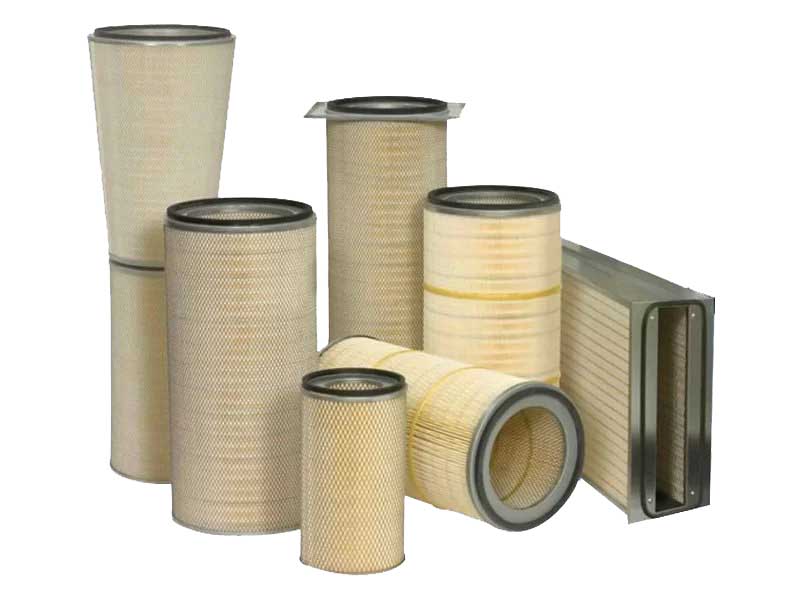
Whether your plant operates in a desert environment with high dust loading or a coastal region with high humidity and salt, our Gas Turbine Air Intake filter (AIF) provide a fortified barrier:
Safeguarding the Axial Compressor: The Critical Role of High-Efficiency Intake Filtration
Sub-standard air intake quality is a primary driver of Axial Compressor Fouling. When sub-micron particles bypass the filtration stage, they adhere to the compressor blades, altering their aerodynamic profile and forcing the turbine to work harder for the same output a phenomenon known as Parasitic Power Loss. Furthermore, these contaminants can block internal cooling passages, leading to catastrophic overheating within the Gas Turbine’s hot section.
The K Filter Gas Turbine Air Intake filter or GT Series acts as a high-integrity barrier, ensuring that only purified, laminar airflow enters the combustion chamber. By maintaining a clean combustion environment, our Gas Turbine Air Intake filter extend the life of the Hot Gas Path (HGP)components, directly reducing unscheduled downtime and optimizing the energy conversion process for the global power generation industry.
Our Nano fiber filtration solutions meet your operating environments and ensure to performance, quality and durability. Our new range of lock pleat technology pulse and static air intake filters preferred by well – known gas turbine users are ideal under harsh environmental condition.
Surface-Loading Mastery: Nano-Fiber & Lock-Pleat Engineering for Harsh Flux
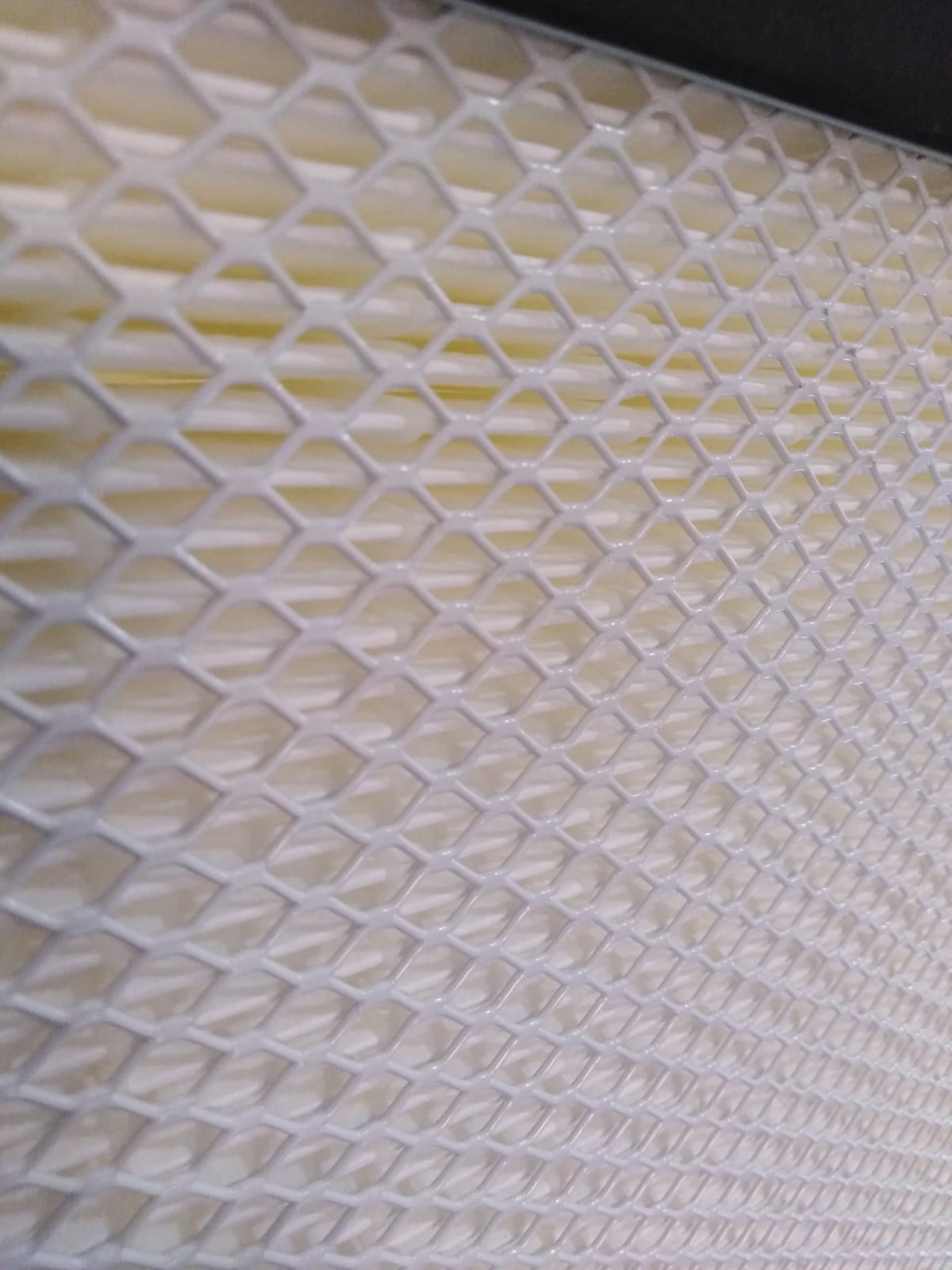
In environments characterized by high dust concentration or extreme humidity, standard cellulose filters fail due to “depth-loading,” leading to rapid pressure spikes. The K Filter Nano-Fiber Series utilizes a sub-micron surface matrix that intercepts contaminants before they penetrate the media.
Combined with our proprietary Lock-Pleat Technology, which ensures uniform pleat spacing and prevents “pleat bunching” under high-pressure pulses, our Gas Turbine Air Intake filter offer a stabilized ΔP (Differential Pressure) profile. This preferred architecture for global Gas Turbine (GT) operators ensures that air intake systems maintain structural integrity and filtration efficiency, even during aggressive pulse-jet cleaning cycles in the harshest industrial climates.
Engineered for Extremes: Conical & Cylindrical GT Solutions
Whether your plant operates in a desert environment with high dust loading or a coastal region with high humidity and salt, our Air Intake Filters (AIF) provide a fortified barrier:
- Universal Compatibility: Our designs are engineered as high-performance replacements for the world’s leading turbine manufacturers, including GE, Siemens, Mitsubishi (MHPS), Ansaldo, and Solar Turbines.
- The Conical/Cylindrical Pair: We specialize in the “Pulse-Jet” style pairs (one conical, one cylindrical) that allow for self-cleaning and extended service life in high-dust environments.
- Axial Compressor Protection: By removing sub-micron particles, our filters prevent Compressor Blading Erosion and the buildup of “foulants” that can lead to surge issues and decreased power output.
- HRSG & Steam Turbine Synergy: In Combined Cycle plants, clean air ensures the Heat Recovery Steam Generator (HRSG) remains free of particulate carry-over, maintaining the integrity of the entire steam cycle.
Technical Specifications: GT Air Intake Series
| Feature | K Filter GT Series (AIF) |
|---|---|
| Filter Geometry | Conical, Cylindrical, and V-Bank Models |
| Media Types | Synthetic, Nano-Fiber, and Cellulose/Synthetic Blends |
| Efficiency Class | F9, E10, E11, up to H13 (HEPA) |
| End Cap Material | Galvanized Steel, Stainless Steel, or PU |
| Operating Temp | Up to 80°C (Standard) |
| Special Features | Water Repellent, Anti-Static, and Flame Retardant |
Poor Air Quality (PAQ) will damage following
- Fouling in the compressor blades
- Less compressor efficiency
- Fouling is caused by very minute dust particles
- Particles that cause fouling are typically smaller than 2 to 10 μm. (Smoke, carbon, oil mists, sea salts)
Erosion is the process
“Eating away” the blade material by abrasive action of dust particles in the ingested air.
Corrosion effect of Gas Turbine (GT)
- GT compressor blades.
- Corrosion is resulting from chemical oxidation of metal parts
- Wet deposits of salts, acid
- Chlorine and Sulphides
Hot to help K Filter air intake filter in Power generation
- Diffusion
- Interception
- Sieving
Material of Construction Gas Turbine air intake filters
- 100% Synthetic (Polyester) –following type filter media is preferred where ambient condition is sometimes highly humid or having huge fog during some seasons.
- Advantage of Synthetic filter media: very high filtration efficiency.
- Polyester type gas turbine filter media: Polyester GT filter media is generally used where ambient condition is less humid
- Cellulose Gas Turbine (GT) filter media: lowest filtration efficiency
- Antistatic blended Gas Turbine (GT) filter media: Prevent the collection of static electricity
- Panel and compact filter in a wide variety of shapes.
FAQ: Gas Turbine Air Intake filter
1. Why is air quality more important than fuel quality in a GT?
While natural gas is roughly 94% methane and generally clean, a Gas Turbine consumes 50 times more air by weightthan fuel. Even a tiny concentration of dust in the air translates to hundreds of kilograms of debris entering the turbine over a year. High-efficiency filtration is the only way to prevent “Sand Erosion” on the high-speed compressor blades.
2. What is the advantage of the Conical/Cylindrical pair?
This “Two-Stage” geometry is designed to optimize the air-to-cloth ratio. The Conical filter helps distribute the incoming air more evenly across the surface, reducing the “face velocity.” This leads to a lower pressure drop and allows the pulse-cleaning system to knock off dust more effectively, extending the filter life.
3. How does clean air reduce maintenance costs?
When the air is pure, the Hot Gas Path (HGP) components—like the turbine vanes and buckets—last significantly longer. Clean air prevents “cooling hole blockage” in the blades. If these holes block, the blades overheat and fail, leading to millions of dollars in unscheduled downtime.
4. Can these filters handle high-humidity or coastal salt?
Yes. For plants near the sea (common in the GCC and Europe), we provide Hydrophobic (Water Repellent) media. This prevents salt-laden moisture from “wicking” through the filter and causing Hot Corrosion on the turbine internals.
5. Are K Filter GT elements compatible with my existing pulse-jet system?
Absolutely. We manufacture gas turbine air intake filter that are dimensional “drop-in” replacements for all major OEM housings. We use high-quality gaskets to ensure a 100% airtight seal, preventing “bypass air” from entering the compressor.
