Skip to content
Cotton filter Vs Polypropylene filter – Switch your liquid filters in the world of industrial filtration, Polypropylene filter (PP filter) is the undisputed king of “general-purpose” use. It’s affordable, chemically resistant to acids, and widely available. However, every maintenance engineer eventually hits a wall where standard PP melt-blown filters start to fail—deforming, melting, or losing structural integrity.
When your process conditions get tough, it’s time to look at Purewound Cotton Filter Elements. But how do you know exactly when to make the switch?
Here are the three “Red Flags” that signal you need to move from Polypropylene to K Filter Purewound Cotton filter.

1. The Temperature “Meltdown” (Above 60°C)
Polypropylene has a relatively low thermal ceiling. Once your process fluid exceeds 60°C (140°F), PP starts to soften. This leads to “bypass,” where the filter loses its micron rating and allows contaminants to leak through.
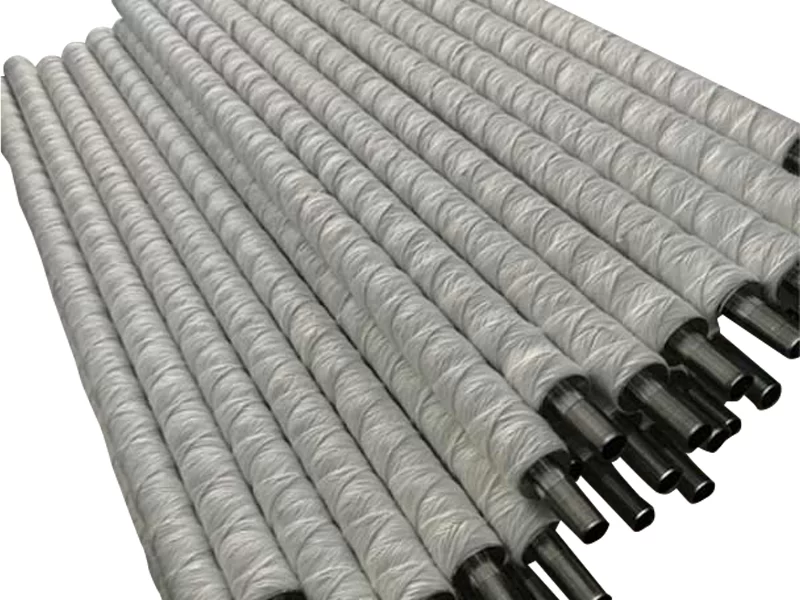
The Cotton Advantage: K Filter Purewound Cotton filter, especially when paired with a Stainless-Steel core, can comfortably handle temperatures up to 120°C (250°F).
The Switch: If you are filtering hot water, industrial resins, or heated oils, stop replacing melted Polypropylene (pp) cartridges and switch to Cotton filter.
2. High-Solid Loading and “Surface Blinding”
Standard melt-blown Polypropylene filters often act as surface filters. If your fluid has a high concentration of sediment, the outer layer “blinds” (clogs) instantly, while the inside of the filter remains clean. This leads to frequent, expensive downtime.
The Cotton filter Advantage:
Our Purewound technology uses a precision-engineered “diamond” wind pattern. This creates true depth filtration. Particles are trapped progressively from the outside to the core, significantly increasing the “dirt-holding capacity.”
The Switch: If your filters are clogging prematurely despite having the “correct” micron rating, the depth-loading capability of a wound cotton element will extend your service intervals.
3. Chemical Compatibility: The “Oil & Solvent” Rule
While Polypropylene filter is great for acids and bases, it struggles with certain organic solvents and heavy oils. In these environments, PP can swell or even begin to dissolve, contaminating your final product with plastic leachable.
The Cotton Advantage: Natural and Bleached Cotton have superior compatibility with alcohols, hydrocarbons, and many industrial solvents.
The Switch: For Petro-chemical processing, oilfield water injection, or degreasing solvents, Cotton is often the safer, more stable choice for maintaining fluid purity.
Which one do you need?
| Requirement | Use Polypropylene | Use Purewound Cotton |
| High Temperature (>60°C) | ❌ No | ✅ Yes |
| Strong Acids/Alkalis | ✅ Yes | ❌ No |
| Heavy Sediments/Dirt | ❌ No | ✅ Yes (Wound Depth) |
| Organic Solvent/Oils | ❌ No | ✅ Yes |
Don’t Forget the Core!
Switching to a cotton filter is only half the battle. To truly handle high temperatures and pressures, you must pair your K Filter cotton element with the right core. We offer Polypropylene (for budget-friendly heat), Tin-plated Steel, and 304/316 Stainless Steel (for maximum durability).
Not sure which micron rating or core material fits your system?
At K Filter, we specialize in helping industrial plants optimize their filtration cycles to reduce waste and save money