Skip to content
A compressed air oil water separator is not a point-of-use air filter. It is a condensate treatment unit installed downstream of the compressor system to prevent oily compressor condensate from entering a drain, sewer connection, or collection tank untreated. For plant engineers and maintenance teams, correct selection depends on actual condensate volume, compressor lubricant chemistry, operating temperature, and local wastewater discharge requirements.
Compressed air systems generate more condensate than many facilities expect, particularly in humid climates, multi-shift operations, and plants with oversized compressors. That condensate typically contains water, compressor oil aerosol, emulsified lubricant, dirt, pipe scale, and occasionally cleaning residues. A properly sized separator manages the oil-water mixture before disposal while reducing environmental exposure and avoiding avoidable drain-system contamination.
What a Compressed Air Oil Water Separator Does
A compressed air oil water separator treats condensate discharged from aftercoolers, refrigerated dryers, desiccant dryers, wet receivers, coalescing filters, and automatic condensate drains. Its purpose is to separate residual compressor lubricant and hydrocarbons from the water phase so the treated condensate can be discharged or collected in accordance with site and regulatory requirements.
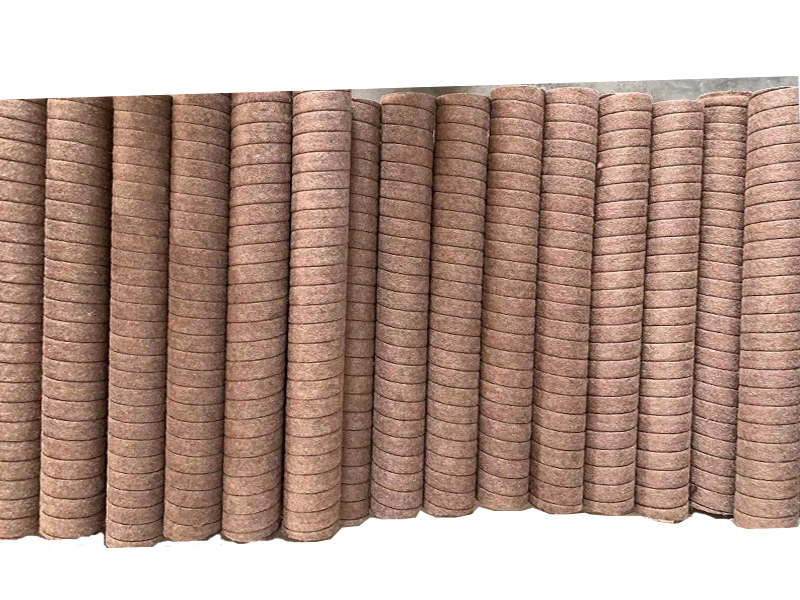
Most systems use staged separation rather than a single filter element. The first stage calms the flow and allows free oil to separate by gravity. Subsequent media stages capture dispersed oil droplets, while adsorption media such as activated carbon or organoclay reduces remaining hydrocarbon content. Some units include oleophilic media that preferentially attracts oil and supports coalescence before final polishing.
The treated discharge quality depends on more than the separator housing. Oil type, condensate chemistry, flow pattern, and maintenance condition all affect performance. A unit that performs well with conventional mineral compressor oil may have limited service life when exposed to stable synthetic-oil emulsions.
Why Compressor Condensate Requires Separate Treatment
Water condensed from compressed air is not clean water. Atmospheric dust, intake contaminants, lubricant carryover, and corrosion products enter the system through the compressor and distribution network. Even a well-maintained compressor will produce condensate containing oil.
The challenge increases where multiple drain points operate independently. A plant may have condensate from a receiver, refrigerated dryer, coalescing filter train, and localized low points in piping. If those drains discharge to separate containers or floor drains, the facility loses control of both treatment and documentation. Routing drain points through a central condensate collection manifold and properly specified separator provides a more manageable arrangement.
For oil and gas facilities, power plants, manufacturing lines, food and beverage operations, and commercial central utility rooms, the objective is practical: protect discharge systems, support environmental procedures, and keep the compressed-air plant operating without manual draining or improvised disposal practices.
Separator Technologies and Their Application Fit
Gravity and Coalescing Stages
Free oil separates readily when the condensate has sufficient residence time. A gravity chamber or settling zone allows larger oil droplets to rise while solids settle. Coalescing media then combines smaller droplets into larger droplets that can separate more effectively.
This approach is suitable for conventional lubricated screw compressors and general industrial applications where the lubricant does not form a persistent emulsion. It is simple, dependable, and economical when sizing is based on realistic condensate production rather than nominal compressor capacity alone.
Adsorption Media Polishing
Activated carbon and specialized adsorption media are commonly used as final polishing stages. They capture residual hydrocarbons after bulk separation and coalescence. These media have finite capacity, so replacement intervals depend on oil loading, condensate volume, and the condition of upstream compressed-air equipment.
A media-polishing separator is often appropriate where discharge limits are tight or where a facility needs a consistent treatment method across several compressor rooms. It does require disciplined maintenance. Once adsorption media is exhausted, outlet performance declines even if the exterior of the unit appears normal.
Emulsion-Splitting Systems
Synthetic lubricants, detergents, condensate cleaners, and certain high-performance compressor oils can create stable emulsions. In an emulsion, oil droplets are extremely fine and may not separate effectively by gravity or conventional coalescing alone.
For these applications, specify an emulsion-splitting system or a treatment package designed for the exact lubricant chemistry. Depending on the application, this may use chemical conditioning, specialized adsorption media, membrane separation, or batch treatment. Sending emulsified condensate to a standard gravity separator can lead to premature media loading and unacceptable treated-water quality.
How to Size the Separator Correctly
Separator sizing begins with condensate volume, not only compressor horsepower. Inlet air temperature, ambient humidity, air demand profile, aftercooler efficiency, dryer type, and operating pressure all influence the amount of water removed from the air stream.
Start by documenting each condensate source and its drain schedule. Include compressors, wet receivers, aftercoolers, dryers, filter housings, and low-point drain legs. Then account for peak conditions, not only annual averages. A unit sized for a dry-season load may be inadequate during humid months or when standby compressors are placed into service.
The selected separator should have adequate hydraulic capacity for intermittent drain discharges. Automatic drains can release a short, concentrated slug of condensate. If several drains discharge simultaneously, the separator requires enough inlet capacity and residence volume to prevent carryover through the media bed.
Also confirm the lubricant used in every connected compressor. Mixed compressor oils create uncertainty. If one compressor uses a conventional lubricant and another uses a synthetic or food-grade fluid, select based on the more difficult condensate stream or provide separate treatment paths.
Installation Details That Affect Performance
Install the separator downstream of all intended condensate sources and upstream of the final approved discharge or collection point. Keep condensate piping properly sloped, use corrosion-resistant materials where needed, and avoid routing high-temperature condensate directly into media not rated for that temperature.
Automatic zero-loss drains are generally preferred over timed solenoid drains because they reduce compressed-air loss and discharge only when condensate is present. However, their discharge pattern must still be considered during separator sizing. Timed drains may send larger slugs, especially when settings are not adjusted for seasonal moisture loads.
Provide accessible space around the separator for media replacement, inspection, and sample collection. A unit installed behind pipework or against a wall often remains in service beyond its maintenance interval because routine checks become inconvenient. Include isolation valves where appropriate and identify each incoming drain line so maintenance teams can trace unusual oil loading back to a specific asset.
Maintenance Is a Treatment Requirement
Oil-water separators do not operate indefinitely without service. Inspection frequency should be based on compressor run hours, lubricant type, condensate loading, and the manufacturer’s recommended media life. Facilities with high humidity, older compressors, or significant oil carryover should inspect more frequently.
Maintenance normally includes checking inlet connections, confirming drains are functioning, examining the oil collection section, replacing saturated adsorption media or cartridges, and reviewing treated-condensate condition. Where site procedures require it, sample the outlet water and maintain records of test results and spent-media disposal.
A sudden increase in separator loading can indicate a compressor problem rather than a separator problem. Worn air-oil separator elements, excessive lubricant carryover, high operating temperature, incompatible oil, or failed drains can all shorten treatment-media life. Correcting the source protects both the condensate treatment equipment and the compressed-air system.
Selecting a System for the Full Air Plant
A condensate separator should be specified alongside the air-treatment train, not after the compressor room is already built. The best arrangement considers compressor type, aftercooler, receiver, particulate and coalescing filtration, dryer technology, drain configuration, and final discharge route as one system.
K Filter Global can support application-specific selection for compressed-air filters, coalescing elements, automatic drains, condensate treatment equipment, and compatible replacement consumables. For a reliable quotation, provide compressor capacity, number of machines, lubricant type, operating hours, dryer configuration, and the intended discharge requirement.
Treat compressor condensate as a controlled waste stream from the outset. The right separator, correctly installed and maintained, turns a recurring housekeeping risk into a defined part of plant utility management.