Skip to content
Oil and Gas Filtration – In upstream oil and gas exploration and production (E&P), process fluids are inherently violent, highly contaminated, and unpredictable. From the moment crude hydrocarbons, gas, and formation water break the surface, severe contamination poses an immediate threat to multi-million dollar downhole assets, rotating machinery, and environmental compliance frameworks.
Inaccurate or fragile filtration isn’t just a maintenance headache it directly restricts oil recovery rates, ruins expensive membranes, and drives up Operating Expenses (OPEX).
K-Filter Upstream Engineered Solutions are specifically built to withstand these aggressive environments. By delivering absolute particle retention, high-volume dirt-loading capacities, and robust chemical compatibility, K Filter ensures maximum uptime from the wellhead to the processing facility for Oil and Gas Filtration.
The Crucial Missions of Upstream Oil and Gas Filtration
Effective upstream oil and gas filtration serves three non-negotiable operational mandates: protecting the reservoir, shielding downstream equipment, and ensuring regulatory compliance.
1. Mitigating Downhole Formation Damage
During water flooding and Enhanced Oil Recovery (EOR) initiatives, produced water or seawater is injected back into the reservoir to maintain pressure and sweep remaining crude toward production wells. If this injection water contains suspended solids, scale, or micro-silt larger than the pore throats of the rock matrix, the formation becomes permanently plugged. This results in a catastrophic drop in injection rates and can completely ruin a multi-million-dollar well.
2. Safeguarding Downstream Process Assets
Abrasive solids like frac sand, iron sulfides, and pipe scale act as grinding agents inside high-pressure pumps, actuators, and valves. Without precise mechanical separation, internal components degrade rapidly, causing unexpected seal blowouts and premature equipment failure.
3. Emulsion Breaking and Hydrocarbon Recovery
Upstream fluids are complex mixtures of oil, water, and gas locked together in tight emulsions. Advanced filtration must separate these phases cleanly to recover valuable hydrocarbons and clarify water streams to strict parts-per-million (ppm) levels before overboard environmental discharge or deep-well disposal.
The K-Filter Upstream Product Architecture
K Filter addresses these rigorous variables with a specialized lineup of heavy-duty, high-efficiency filtration components.
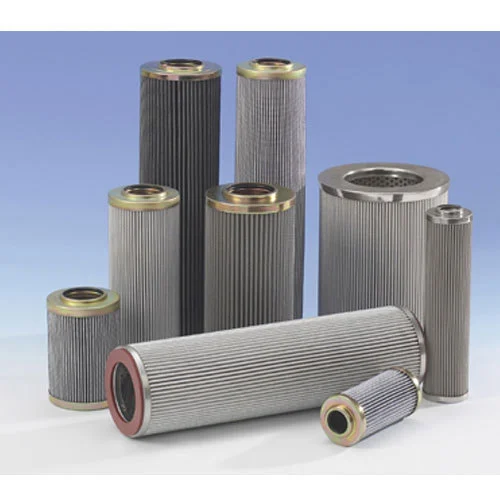
1. K-Filter High-Flow Cartridge Systems (Solid-Liquid Separation)
For high-volume water management—such as seawater intake filtration or primary produced water polishing—standard, small-diameter cartridges fail rapidly due to surface area starvation.
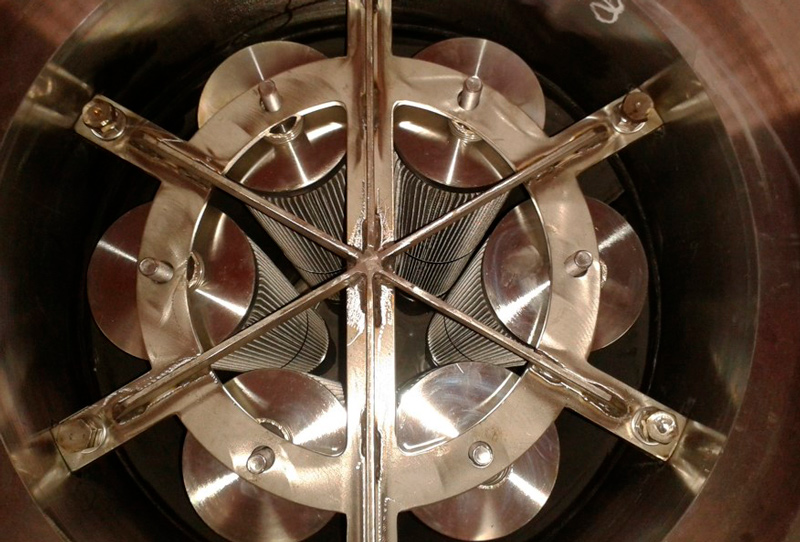
- The K-Filter Advantage: Our large-diameter, inside-to-outside flow pleated cartridge filters maximize surface area relative to housing footprints. The proprietary crescent-shaped pleat geometry ensures uniform fluid distribution, preventing element deformation under intense pressure spikes.
- The Bottom Line: Up to 50% fewer filter change-outs and a significantly smaller equipment footprint on offshore platforms where real estate is at a premium.
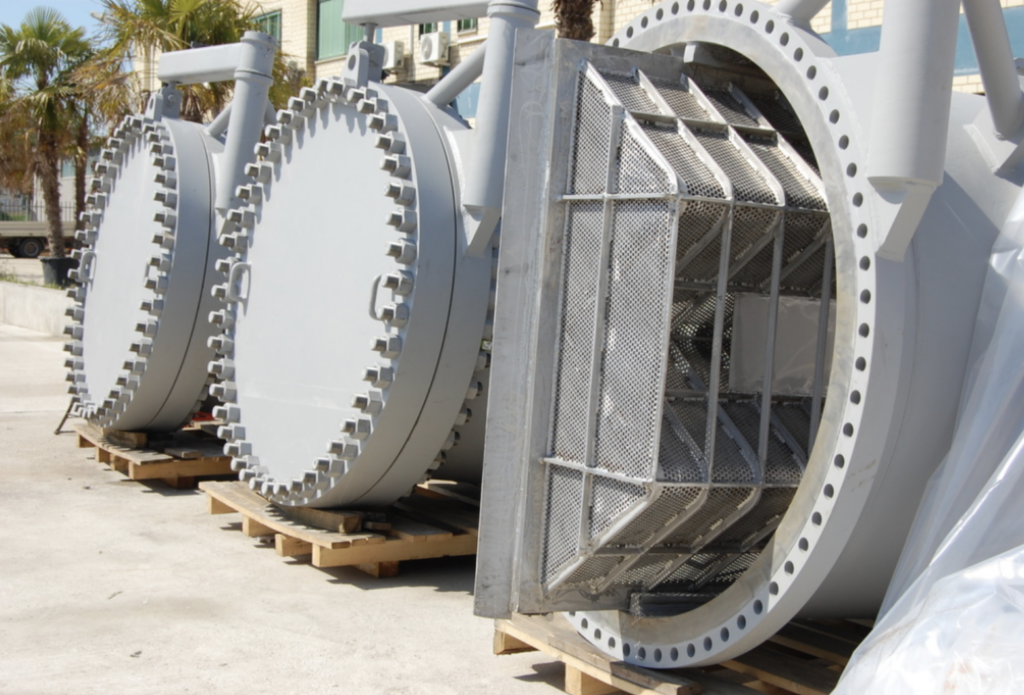
2. K-Filter Liquid/Gas Coalescers (Compressor & Turbine Protection) Oil and Gas Filtration
Entrained liquid aerosols and fine mists in gas streams can cause severe liquid slugging in midstream compressors and foul downstream amine sweetening units.
- The K-Filter Advantage: Utilizing specialized matrix media, K-Filter Coalescers force sub-micron liquid droplets to bind together into heavier droplets that drop out of the gas stream naturally. They manage high liquid loading across extreme temperature ranges, maintaining dry gas parameters.
3. K-Filter Industrial Strainers & Automatic Backwash Systems
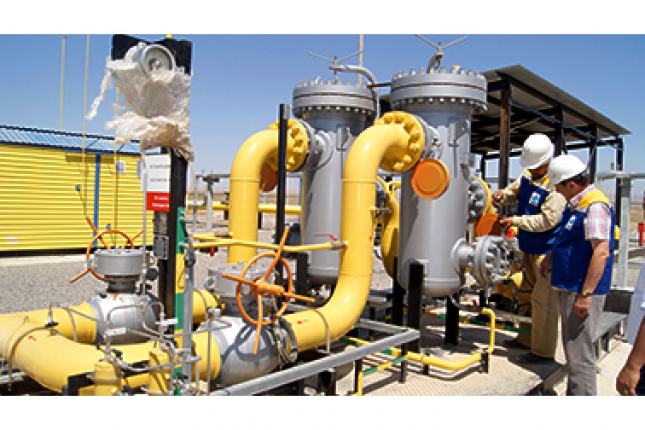
Positioned directly at the front end of the processing line, these heavy-duty strainers provide the primary mechanical defensive line.
- The K-Filter Advantage: Utilizing robust, all-metal perforated baskets and wedge-wire screens (constructed of Stainless Steel 316L, Super Duplex, or Monel), these systems catch macro-solids (>100 μm) without manual intervention. Our automated backwash systems flush collected debris autonomously based on differential pressure triggers, maintaining continuous flow.
Technical Performance Matrix
| Application | Target Contaminant | K-Filter Engineered Solution | Operational Benefit |
|---|---|---|---|
| Water Flooding / Injection | Frac Sand, Silt, Scale (1−40 μm) | Pleated High-Flow Coreless Cartridges | Prevents downhole plugging; maintains reservoir permeability. |
| Produced Water Treatment | Dispersed Oil, Free Hydrocarbons, Total Suspended Solids (TSS) | Oleophilic Media Filters & Sintered Mesh | Clarifies water to less than 10 ppm for safe overboard discharge or recycling. |
| Gas Compression Inlet | Hydrocarbon Mists, Water Aerosols, Fine Particulates | High-Efficiency Liquid/Gas Coalescers | Eliminates compressor blade erosion and amine foaming incidents. |
| Seawater Intake | Marine Debris, Algae, Macro-Solids | Automatic Wedge-Wire Backwash Strainers | Continuous, maintenance-free primary filtration protecting downstream RO membranes. |
Why EPCs and Operators Standardize on K-Filter
The harsh realities of oilfield chemistry including sour gas (H2S), high salinity, and corrosive chemicals render standard industrial filters useless within weeks. K-Filter builds for longevity:
- Zero-Shedding Media Construction: Unlike legacy cellulose or fiberglass elements that break down under extreme cyclical pressures, K-Filter components feature thermally bonded, all-synthetic, or all-metal constructions. This guarantees that no filter media fragments travel downstream to compromise critical valves.
- Optimized Clean Pressure Drop (ΔP): K-Filter configurations minimize internal turbulence, yielding an exceptionally low initial pressure drop. This means your pumps require less energy to move fluid, creating a direct reduction in electrical consumption and carbon footprints.
- Full Material Traceability: Every K-Filter element built for upstream deployment is accompanied by rigorous material certification, ensuring compliance with international quality frameworks like ISO 9001:2015 and ASME Section VIII pressure vessel standards.
Elevate Your Production Efficiency Today
Don’t let subpar filtration choke your upstream assets or drain your maintenance budgets. Partner with K-Filter to customize a reliable, high-capacity filtration footprint engineered for the toughest wells on earth.