Skip to content
In natural gas processing and oil refining, amine gas sweetening is a critical, proven technology used to absorb acid gases like hydrogen sulfide (H2S)and carbon dioxide (CO2). However, as highlighted in Jan Hermans’ seminal technical paper, “Amine cleaning in gas treating,” keeping the amine solvent clean is one of the most persistent operational challenges facing process engineers today.
Over time, amine loops inevitably accumulate solid particulates, hydrocarbon carryovers, and Heat Stable Salts (HSS). If left unchecked, these contaminants trigger severe amine foaming, chemical degradation, and equipment-destroying corrosion.
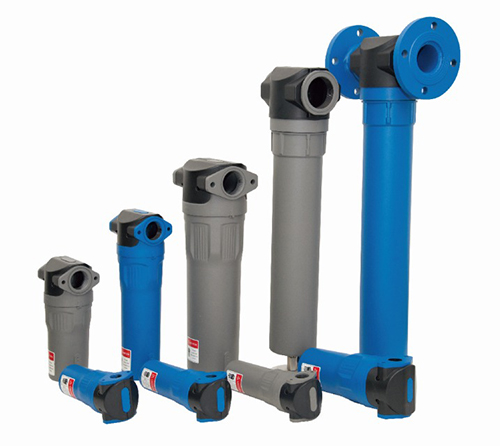
To maximize plant uptime and safeguard expensive amine solvents, operators must move past outdated, high-maintenance filtration methods. Enter the K Filter—a revolutionary engineering solution designed specifically to address the precise vulnerabilities exposed in modern amine-cleaning research.

The Hidden Threats in Amine Cleaning (and Why Standard Systems Fail)
Amine cleaning – According to industry research on gas treating loops, three primary contaminants constantly threaten the efficiency of your amine system:
- Solid Particulates & Iron Sulfides: Fine suspended solids predominantly iron sulfide (FeS) resulting from upstream corrosion act as structural stabilizers for foam. They create a robust film layer over amine bubbles, preventing them from breaking.
- Liquid Hydrocarbon : Entrained hydrocarbons lower the surface tension of the amine solvent, dramatically accelerating foam formation in both the absorber and the regenerator columns.
- Heat Stable Salts (HSS): Formed by reactions between amines and trace oxygen or organic acids, HSS cannot be stripped out by heat. High HSS levels skyrocket the solvent’s corrosivity, rapidly deteriorating piping, reboilers, and internals.
When plants rely on traditional mechanical filters or basic activated carbon beds alone, they face high differential pressures, frequent and dangerous element changeouts, and expensive amine losses during backwashing.
How the K Filter Resolves the Core Challenges of Amine Cleaning
The K Filter is engineered specifically to form a comprehensive barrier against solvent contamination, directly neutralizing the failure modes identified in Digital Refining’s process analysis.
1. Advanced Solids Capture to Eliminate Amine Foaming
Because sub-micron iron sulfide particles are the root cause of foaming stabilization, standard filters let them slip through. The K Filter features high-efficiency, multi-layered depth filtration capabilities that trap microscopic solids with absolute precision. By removing these foam-stabilizing elements, the K Filter completely stabilizes the surface tension of the lean amine solution, eliminating the need for costly and temporary anti-foam chemical injections.
2. Enhanced Hydrocarbon Separation
Hydrocarbon carryover acts as fuel for amine degradation. The K Filter integrates a sophisticated co-coalescing and adsorption mechanism that separates both free and emulsified hydrocarbons from the gas treating stream far more effectively than standard carbon canisters. This ensures that the solvent remains lean, highly reactive, and structurally pure.
3. Protecting Against HSS and Corrosion
While HSS typically requires ion exchange or electrodialysis for total removal, the K Filter plays a vital preventative role. By capturing the iron sulfides and heavy hydrocarbon matrices that catalyze the oxidative degradation of amines into HSS, the K Filter slows the formation of these corrosive salts to an absolute minimum. The result? A dramatic drop in localized corrosion rates across your reboiler and heat exchangers.
Operational & Economic Benefits of the K Filter Amine cleaning
Integrating a K Filter into your amine sweetening unit yields measurable, bottom-line advantages:
- Dramatically Lower Amine Consumption: Minimize solvent losses caused by foaming boil-overs and frequent filter blowdowns.
- Reduced Energy Demand: Clean amine requires less heat input in the reboiler for stripping, significantly slashing your plant’s utility expenses.
- Minimized Downtime: With automated self-cleaning features and robust element designs, the K Filter slashes the maintenance hours and safety risks associated with manual filter handling.
- Extended Equipment Lifecycle: Protect expensive alloys and column internals from highly corrosive, degraded amine environments.
Conclusion: Elevate Your Gas Treating Performance
As modern gas processing facilities face stricter environmental regulations and more variable sour feedstocks, maintaining peak solvent health is non-negotiable. Jan Hermans’ insights on amine cleaning in gas treating prove that relying on subpar filtration is a recipe for operational failure.
The K Filter provides the robust, dependable technology required to keep your amine loops running cleanly, continuously, and profitably. Don’t let foaming and corrosion dictate your plant’s production capacity.
Contact our process engineering team today to learn how the K Filter can be seamlessly retrofitted into your gas sweetening system.