Skip to content
Protecting Your Downstream Equipment
Basket Strainers – Industrial pipelines carry more than just liquids and gases. They transport small rocks, scale, debris, and other foreign particles that can wreak havoc on your pumps, valves, and downstream equipment.
A single piece of stray debris can cause a costly shutdown, ruin a batch of product, or damage expensive machinery. That is where basket strainers come in.
This guide will break down everything you need to know about basket strainers: how they work, how to choose the right one, and the best ways to maintain them to keep your system running smoothly.
What is a Basket Strainer?
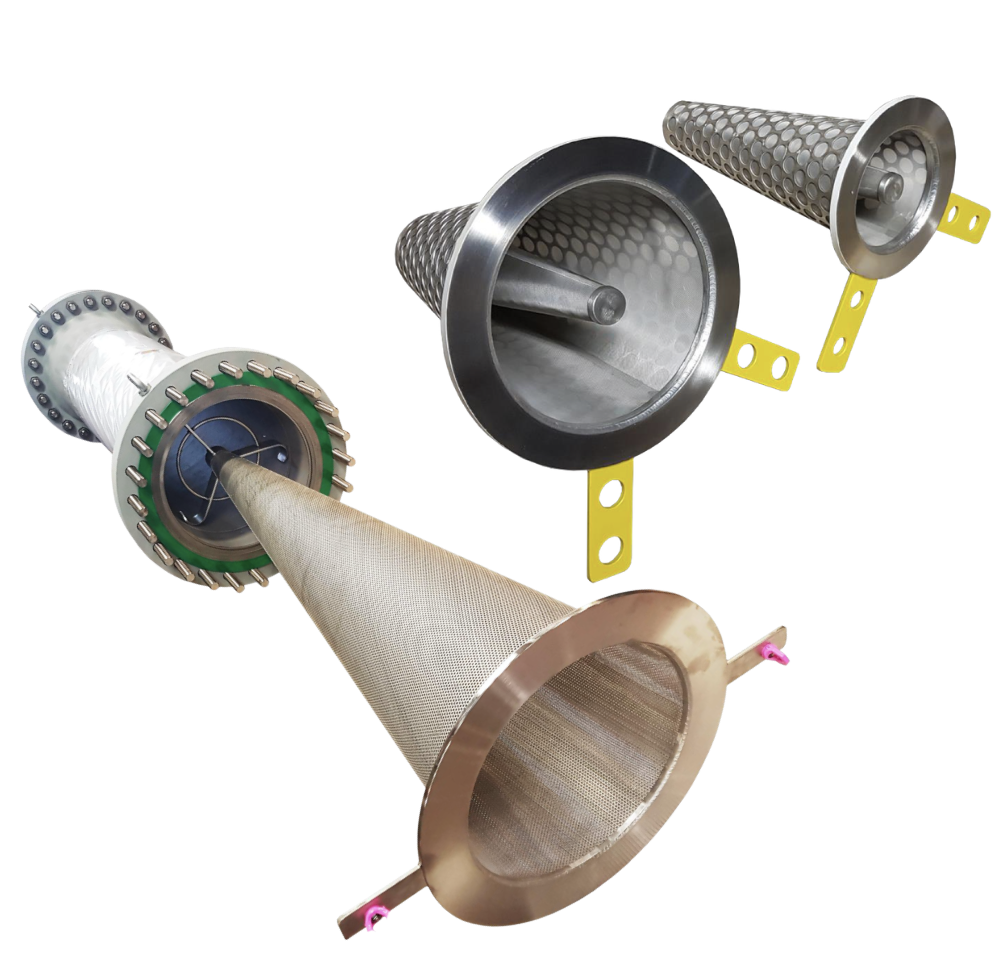
A basket strainer is a closed vessel with a removable screen shaped like a basket. It is installed in a pipeline to remove solid particles from flowing liquids or gases during coarse filtration.
Unlike standard Y-strainers, which are often used for smaller lines with less debris, basket strainers have a larger holding capacity. They are designed for horizontal pipelines and are ideal for systems with high flow rates that handle a significant amount of solids.
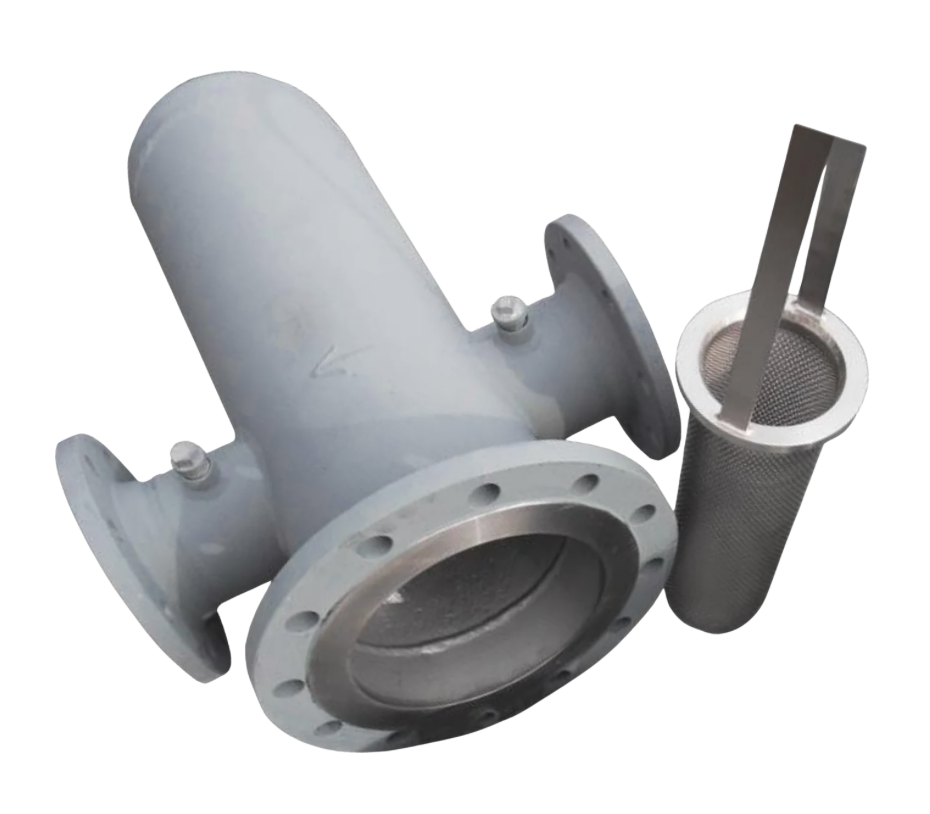
A standard setup consists of two main parts:
- The filter housing: The outer shell connected to your pipeline.
- The strainer basket: The inner metal mesh basket that captures the debris.
When fluid enters the housing, it passes through the basket. The mesh catches the solids, and the clean liquid or gas flows out the other side.
How Does a Basket Strainer Work?
The mechanics are straightforward, but highly effective. Basket strainers are placed upstream of sensitive equipment like pumps, meters, and control valves.
- Fluid Entry: Untreated liquid or gas enters through the inlet of the strainer housing.
- Filtration: The fluid fills the inner basket. The perforations or wire mesh allow the fluid to pass through while trapping any particles larger than the mesh openings.
- Fluid Exit: The clean fluid leaves through the outlet and continues safely down the pipeline.
Because the debris stays trapped inside the basket, it cannot travel down the line to clog or damage your equipment.
Understanding Basket Mesh Sizes
The strainer basket is the most critical element of the entire setup because it determines your filtration accuracy. The size of the holes in your basket matters.
Mesh size refers to the number of openings per linear inch. A higher mesh number means smaller openings and finer filtration.
When choosing a basket, you need to find a balance. The mesh must be small enough to catch the smallest particle you want to remove, but large enough so it does not restrict your flow rate or clog up instantly. If you choose a mesh that is too fine, your system will experience a rapid drop in pressure, requiring constant cleaning.

How to Select the Right Basket Strainer for Your Application
Finding the right strainer requires looking at your system from both the outside and the inside.
1. Evaluating the Outer Housing
Start with the structural layout of your piping system:
- Inlet and Outlet Positions: Look at where your pipes align. For standard simplex strainers where the inlet and outlet are at the exact same height, a slanted top basket design is often used to accommodate the fluid path.
- Connection Type: Determine whether your system requires flanged, threaded, or welded connections.
- Sealing Materials: The seals and O-rings must be chemically compatible with the fluid you are pumping, whether it is water, oil, chemicals, or food products.
2. Choosing the Inner Basket Structure
The design of the basket itself directly impacts how well it performs:
- Single vs. Double Layer: A single-layer mesh is great for catching large debris like rocks or leaves. If you need finer filtration, a double-layer structure combines a heavy support basket with a fine inner mesh liner.
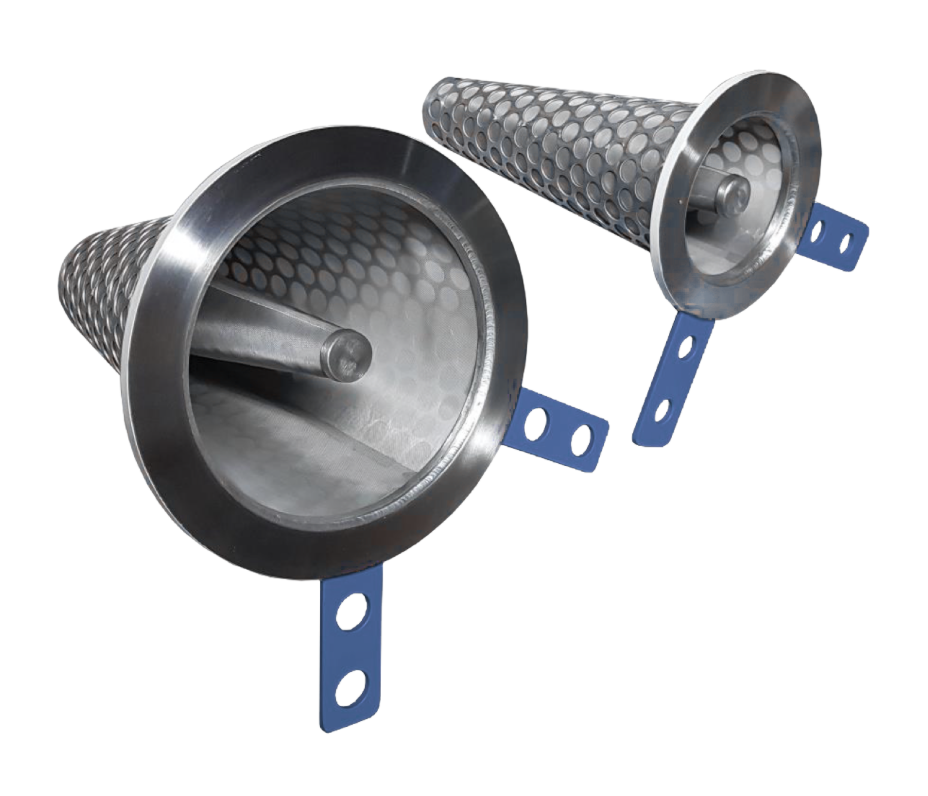
- Perforation Shapes: Baskets come with different hole shapes, including large squares, small squares, and round perforations, depending on the shape and nature of the debris you are targeting.
Key Benefits of Using a Basket Strainer
Investing in a high-quality basket strainer protects both your equipment and your bottom line.
- Equipment Protection: It acts as an insurance policy for your downstream pumps, heat exchangers, and spray nozzles.
- Versatile Prefiltration: They are highly effective at filtering raw water drawn directly from lakes, rivers, or oceans, trapping gravel, leaves, and flotsam before it enters a desalination or water treatment plant.
Cost Savings: It is much less expensive to clean a strainer basket than it is to replace a damaged pump impeller or shut down a production line for emergency repairs.
Maintenance and Cleaning Tips
Unlike disposable filter cartridges that must be thrown away when full, a basket strainer can be cleaned and reused indefinitely. However, it requires routine maintenance to keep your pipeline running efficiently.
Maintenance and Cleaning Tips
Unlike disposable filter cartridges that must be thrown away when full, a basket strainer can be cleaned and reused indefinitely. However, it requires routine maintenance to keep your pipeline running efficiently.
How to Clean the Basket Safely
Never attempt to open or clean a strainer while the system is running. Follow these steps to clean the basket safely:
- Isolate and Depressurize: Shut off the valves on both sides of the strainer and completely depressurize the section of pipe where the strainer is located. Opening a pressurized system can cause severe physical injury and equipment damage.
- Remove the Cover and Basket: Carefully open the housing cover and lift the basket out using its handle.
- Wash and Clean: Rinse the basket with water or a suitable washing solution. If the debris is stubborn, use a brush to scrub the mesh. Do not allow the debris to dry on the mesh, as it becomes much harder to remove later.
- Inspect and Reinstall: Check the basket for any tears or signs of wear. If it looks good, place it back in the housing, secure the cover with a fresh seal if necessary, and slowly bring the system back online.
K Filter Tip: If your pipeline cannot tolerate a shutdown for cleaning, consider using a duplex basket strainer system. Duplex systems feature two parallel housings with a valve switch, allowing you to divert flow to the second basket while you clean the first one.
Conclusion
Choosing the right basket strainer saves money, reduces your maintenance costs, and keeps your operations running without unexpected interruptions.
K Filter designs and manufactures a wide range of industrial basket strainers and high-quality stainless steel baskets built for demanding environments. If you are looking for the right filtration setup for your plant or production line, reach out to our team today to find the perfect match for your system.