Skip to content
A fuel dehazing filter system addresses a condition that conventional particulate filtration often misses: fuel that looks cloudy or hazy because it contains finely dispersed water, soft contaminants, oxidation byproducts, or unstable emulsions. In bulk diesel, turbine fuel, marine fuel, and stored distillates, haze is more than a visual defect. It can signal reduced water separation, accelerated corrosion, injector wear, microbial activity, poor combustor performance, and shortened life for downstream filter elements.
For industrial operators, the correct response is not simply installing a finer micron-rated cartridge. Dehazing requires a system designed around the actual contaminant form, fuel chemistry, flow rate, temperature, and cleanliness target. The wrong media can blind prematurely, create an unacceptable pressure drop, or pass emulsified water that should have been separated upstream.
What a Fuel Dehazing Filter System Removes
Fuel haze is commonly caused by water dispersed as very small droplets throughout the fuel. Free water settles or can be removed through conventional separation and drainage. Emulsified water is different. Droplets may be small enough to remain suspended for long periods, especially when surfactants, additives, oxidation products, detergents, or mechanical agitation stabilize the emulsion.
A dehazing assembly may also target fine insoluble solids, organic degradation products, rust, tank sediment, microbial debris, and soft particulate that gives fuel a dull or cloudy appearance. The system must distinguish between contaminants that can be captured mechanically and water droplets that need to coalesce into larger droplets before separation.
This distinction matters because a nominal particulate filter can improve visual clarity while leaving water control unresolved. Conversely, a coalescer selected for clean, low-surfactant fuel may lose efficiency when handling heavily dosed diesel or fuel that has been repeatedly transferred through contaminated equipment.
How Fuel Dehazing Works
Most industrial fuel dehazing configurations use staged treatment rather than one cartridge performing every function. The exact arrangement depends on the fuel and duty cycle, but the process typically combines bulk contaminant removal, fine filtration, coalescing, and water separation.
Pre-filtration protects the final stage
A pre-filter removes larger particulate, rust scale, tank debris, and gel-like contaminants before the fuel reaches fine dehazing or coalescing media. This stage is often selected in the 10 to 30 micron range, although the practical rating depends on contaminant loading and the downstream equipment requirement.
Pre-filtration is a maintenance-control decision as much as a cleanliness decision. If high solids loading reaches a coalescing element, the media can plug before it has delivered its intended water-removal service. A staged system generally lowers replacement frequency for the more specialized final element.
Fine media clarifies the fuel stream
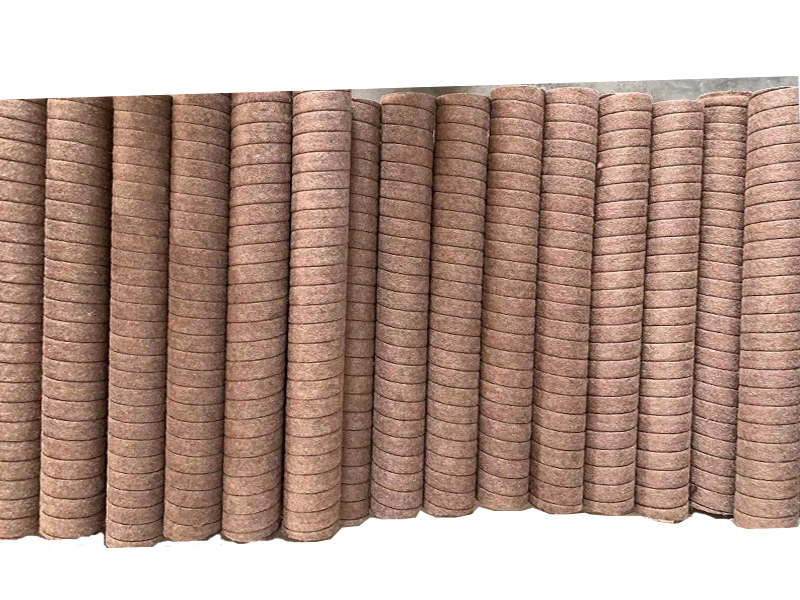
Fine-depth media captures smaller suspended solids and oxidation-related contaminants that contribute to haze. Pleated synthetic media, glass fiber media, cellulose blends, and engineered depth cartridges can be appropriate depending on fuel compatibility, target efficiency, and disposal requirements.
Absolute-rated elements offer tighter and more repeatable particle control than nominal-rated elements, but tighter is not automatically better. A 1 micron absolute element installed ahead of a high-flow transfer pump may create unnecessary differential pressure if the incoming fuel has significant tank-bottom contamination. The best rating is the one that protects the next process stage without restricting required flow.
Coalescing and separation remove dispersed water
Coalescing elements use media structures that encourage small water droplets to collide and merge into larger droplets. Once droplets grow sufficiently, gravity and a downstream separator stage allow them to fall out of the fuel stream and collect in a sump for drainage.
Coalescer and separator systems are especially common where fuel must meet stringent water-control requirements before reaching turbines, engines, polishing skids, or critical storage. In many designs, the coalescer is followed by a hydrophobic separator element. The coalescer promotes droplet growth, while the separator resists water passage and supports final phase separation.
Material selection is critical. Certain fuel additives, surfactants, and chemical contaminants can reduce interfacial tension and interfere with coalescing performance. Where this risk is known, specify media designed for the expected fuel chemistry rather than assuming a standard water separator will perform consistently.
Selecting the Right Configuration
A fuel dehazing filter system should be specified from operating data, not appearance alone. Hazy fuel from a clean but water-contaminated storage tank requires a different approach than dark fuel carrying corrosion debris, microbial solids, and heavy oxidation products.
Start with the fuel type and its additive package. Ultra-low sulfur diesel, jet fuel, turbine fuel, biodiesel blends, and lubricating oils can behave differently in water separation service. Biodiesel-containing fuels may have higher affinity for water and can introduce compatibility concerns for media, seals, and drain components.
Flow rate is the next major requirement. Rate the housing and elements for continuous and peak flow, then verify the clean pressure drop and allowable terminal differential pressure. Undersized housings drive velocity too high through the media, which can reduce separation performance and shorten element life. Oversizing has a capital cost, but it can be justified for high-contaminant fuel, cold-weather operation, or sites where changeouts are difficult.
Temperature and viscosity also affect performance. Cold diesel or heavier fuel has higher viscosity, which increases pressure drop and can limit droplet movement through coalescing media. A system that operates satisfactorily in a warm transfer bay may struggle during winter startup unless the design allows adequate filter area, lower flow velocity, or fuel conditioning.
Housing construction and seal compatibility must match the service. Carbon steel housings are common for industrial fuel transfer, while stainless steel may be preferred where corrosion resistance, cleanability, or specific site standards apply. Nitrile, fluorocarbon, and other gasket materials should be reviewed against the fuel, additives, temperature range, and any cleaning chemicals used in maintenance.
Installation Details That Affect Results
Even a correctly specified element will not compensate for a poor installation. Fuel should enter the housing in the intended flow direction, and the housing should include suitable pressure monitoring, air venting, and a drain arrangement that allows safe removal of separated water.
Differential pressure gauges or transmitters are not optional accessories on a critical system. They show when particulate loading is increasing and help maintenance teams avoid changing elements either too early or after a bypass condition, low-flow event, or element collapse risk develops. For remote sites, a differential pressure switch can support alarm integration with the facility control system.
Placement also matters. A dehazing skid installed immediately downstream of a contaminated storage tank may require aggressive pre-filtration and frequent drainage. The same skid installed as a final polishing unit before a turbine or sensitive fuel injection package may operate with lower solids loading but tighter cleanliness expectations.
Do not overlook water management upstream. Tank inspection, bottom-water drainage, controlled fuel receiving practices, desiccant breather maintenance, and clean transfer hoses reduce the burden on any filtration system. Filtration controls contamination; it does not eliminate the source of recurring water ingress.
Maintenance Signals and Replacement Strategy
Element replacement should be based on differential pressure, water-separation performance, fuel test results, and scheduled inspection – not calendar intervals alone. A facility with clean incoming fuel may operate for extended periods before reaching terminal pressure drop. A site receiving variable-quality fuel may require inspection after every delivery or transfer campaign.
Watch for repeated haze after filtration, persistent water accumulation, unexpected pressure-drop rise, reduced transfer flow, or changes in downstream equipment performance. These conditions can indicate a saturated pre-filter, damaged coalescer, incompatible media, excessive surfactant contamination, or an upstream tank problem.
During changeout, inspect removed elements rather than treating them as disposable evidence. Rust-colored loading points to corrosion. Black or sticky deposits may indicate oxidation, microbial contamination, or degraded fuel. A water-logged separator can suggest carryover, improper drainage, or failure of the coalescing stage. These findings improve the next filter selection and can prevent repeated maintenance costs.
For replacement planning, verify element dimensions, end-cap style, gasket type, flow direction, collapse rating, micron efficiency, and fuel compatibility. Aftermarket-compatible elements can be a cost-effective option when they meet the original housing fitment and required operating specifications. K Filter Global supports complete fuel filtration assemblies and replacement elements for industrial operators that need technical fitment support across mixed equipment fleets.
A properly engineered dehazing system should make fuel condition predictable, not merely clearer. When the filtration stages, media, and maintenance triggers match the contamination profile, operators gain more reliable transfer performance and fewer downstream surprises.