Skip to content
Hot Oil Flushing – When commissioning mission-critical infrastructure like a tier-rated data centre, there is absolutely zero margin for error. Backup power networks rely heavily on massive, fast-starting diesel generators designed to take the entire building’s load within seconds of a grid failure.
However, a silent threat often lurks within these newly installed systems before they even experience their first true startup: built-in latent contamination.
Understanding the importance of conducting lube oil commissioning flushes is vital to ensuring these standby assets perform flawlessly when called upon. Here is a technical breakdown of why pre-operational hot oil flushing is a non-negotiable step and how utilizing high-performance K Filter liquid filter bags guarantees a successful clean.

The Danger of “As-Built” Contamination in New Generators
A common and costly misconception among site managers is assuming that a newly manufactured generator arrives completely pristine from the factory. In reality, “new oil is not clean oil,” and “as-built” piping systems are inherently contaminated during the construction, transport, and onsite assembly phases.
Internal lubrication circuits frequently harbor microscopic debris, including:
- Welding slag and metal shavings from pipe fabrication
- Atmospheric dust and silica accumulated during onsite installation
- Rust and mill scale caused by moisture trapped in stagnant lines during shipping
If left unaddressed, this hidden particulate matter acts like a grinding paste. The very first time the generator turns over, these abrasive particles are forced into tight-clearance engine components—such as liners, turbochargers, and bearings. This triggers premature wear, compromises component geometry, and can even cause sudden, catastrophic engine failure during a critical grid outage.
Why High-Velocity Hot Oil Flushing is Mandatory
Standard, static engine filtration is designed to maintain oil chemistry during normal operation; it cannot dislodge heavy, built-in contamination clinging to internal pipe walls or trapped in “dead-legs.”
To eliminate these risks, a professional commissioning strategy requires an external, high-velocity hot oil flush. This specialized process relies on two critical mechanics:
- Thermal Shocking: Heating the flushing oil to operational temperatures (600C to 700C) reduces its viscosity and expands the metal pipework. When the temperature is cycled, the contraction physically breaks the bond between the pipe wall and stubborn contaminants like mill scale.
- Turbulent Flow: Standard fluid dynamics feature a laminar flow profile, where a quiet boundary layer shields the pipe wall. By employing external pump skids to push velocities 2 to 3 times higher than the generator’s normal operating speed, technicians achieve a highly turbulent flow (a high Reynolds number). This creates a violent “scrubbing” action that lifts heavy particles into suspension so they can be transported out of the system.
The Role of K Filter Bags in Capturing Released Debris
A high-velocity flush is only as effective as the filtration media capturing the dislodged debris. Because a system flush unleashes a massive, unpredictable volume of particulate matter simultaneously, primary engine filters will quickly blind or go into bypass mode.
This is where K Filter liquid filter bags provide an essential line of defense. Engineered to handle high flow rates and aggressive particulate loading, K Filter bags ensure that once contamination is scrubbed from the pipework, it is permanently removed from circulation.
Why Engineers Specify K Filters for Commissioning Flushes:
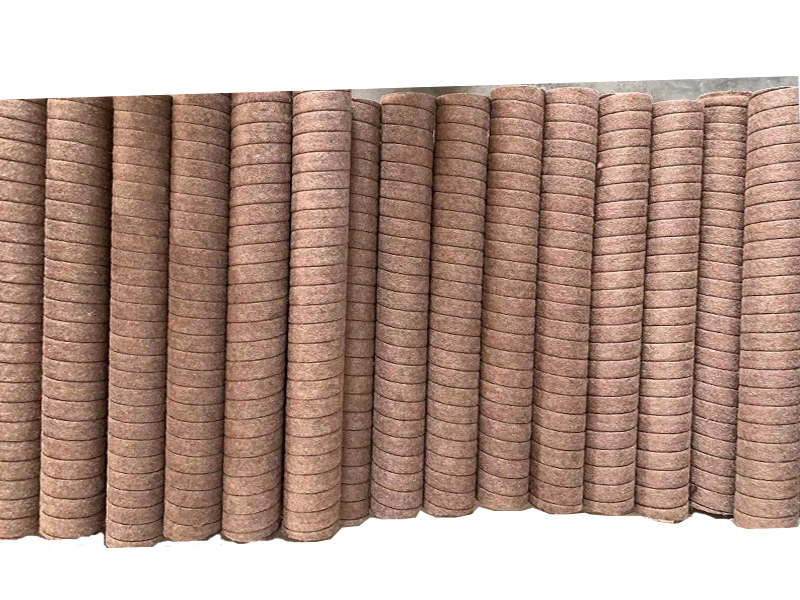
- High Dirt-Holding Capacity: K Filter felt and multilayered liquid filter bags feature deep, webbed matrices that capture vast volumes of solids without restricting flow or causing premature pressure spikes.
- Staged Micron Precision: A successful flush requires a stepped filtration approach. Operators can begin with coarse K Filter mesh bags (100 to 200 microns) to catch large construction debris and weld slag. As the oil clears, they seamlessly transition to fine-rated K Filter needle felt bags (5 to 10 microns) to polish the fluid and achieve the strict ISO 4406 cleanliness targets required by major generator OEMs.
- Zero-Bypass Seals: Featuring heavy-duty molded plastic flanges, K Filter bags adapt tightly inside the filtration housing under operational pressure, ensuring that 100% of the turbulent fluid passes through the media without bypassing.
Secure Your Data Centre Uptime
Skipping a high-velocity oil flush on data centre generators is a calculated gamble with incredibly high stakes. A single early-life failure caused by latent contamination can cost hundreds of thousands of dollars in emergency overhauls, void OEM warranties, and lead to catastrophic data centre downtime.
Recognizing the importance of conducting lube oil commissioning flushes and pairing the procedure with robust K Filter Liquid Filter Bag provides the ultimate “birth certificate” for your backup power network—ensuring total reliability from hour zero.
Planning a data centre commissioning or system turnaround? Contact our technical support team today to discover the right K Filter bag configurations for your flushing loops.