Skip to content
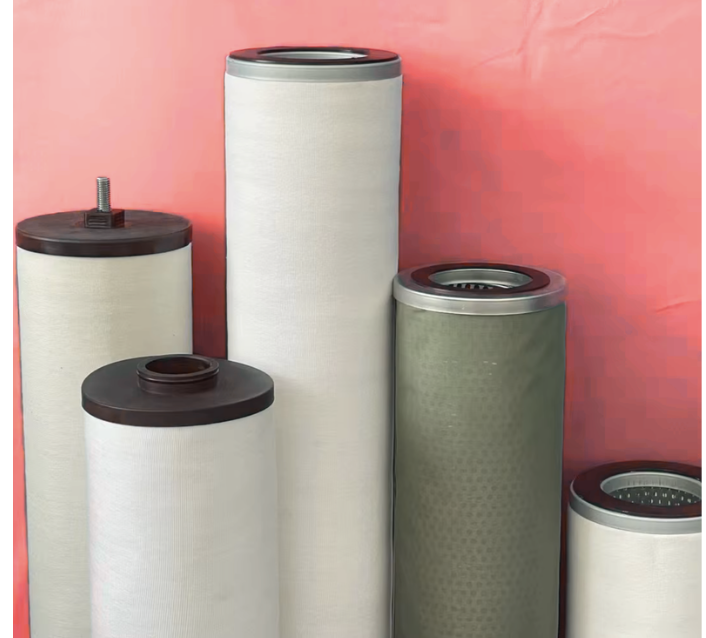
Separator Filter Element – In demanding industrial filtration environments ranging from oil refining and natural gas processing to compressed air systems—achieving absolute purity is a multi-step battle. While many system operators rely heavily on a high-efficiency coalescing filter, a common question arises: Is a coalescing filter alone enough, or should you install a separator filter element after it?
At K-Filter, we understand that phase separation efficiency directly dictates your system’s downtime, maintenance costs, and downstream equipment life.
This guide explores the mechanical differences between coalescers and separators, and details the exact operational scenarios where integrating a K Filter Separator Element post-coalescence is mandatory for optimal efficiency.
1. Understanding the Mechanisms: Coalescing FIlter vs. Separation
To grasp why a dual-stage system is often required, we must first look at how these two stages work together:
The Coalescence Mechanism (Stage 1)
A coalescing filter utilizes specialized, dense media to target aerosols and ultra-fine liquid droplets suspended within a primary fluid (gas or liquid). As the mixture passes through the coalescer media, these micro-droplets are forced to collide and merge (coalesce) into larger, heavier droplets.
The Separation Mechanism (Stage 2)
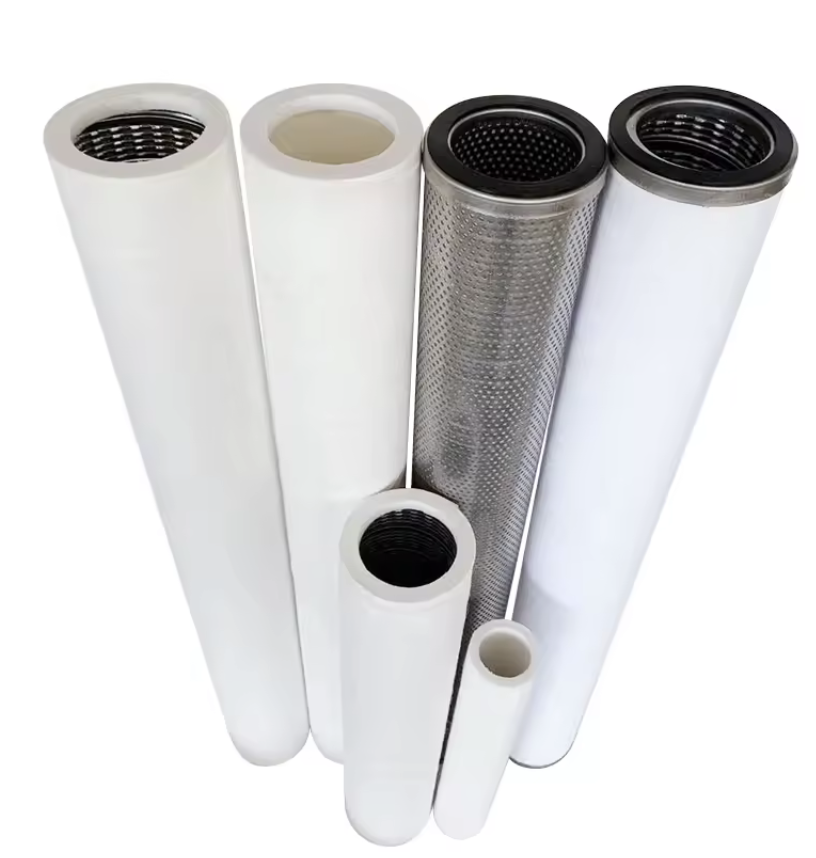
Once droplets have grown to a macroscopic size, gravity alone isn’t always enough to prevent them from being re-entrained (swept back) into the fast-moving downstream fluid stream. This is where the Separator Filter Element steps in. Constructed from hydrophobic or hydrophilic materials (depending on the application), the separator acts as a physical barrier that allows the primary fluid to pass while repelling and draining away the newly formed bulk liquid droplets.
2. Key Scenarios: When Must You Use a Separator After a Coalescer?
While single-stage coalescing works for low-demand applications, integrating a K-Filter Separator Element downstream is essential under the following conditions:
A. High Contaminant and Hydrocarbon Loads
If your process handles heavily saturated fluids, a coalescing element can experience rapid saturation. A downstream separator acts as the ultimate failsafe, managing the massive volume of aggregated liquids and ensuring no fluid bypasses the system during flow surges.
B. Complex Oil-Water or Liquid-Gas Mixtures
In applications such as oil refining, fuel conditioning, or aviation fueling, managing residual water levels after initial coalescing is critical. Adding a separator filter element drastically maximizes oil recovery rates, protects turbines, and helps meet strict environmental compliance codes regarding fluid purity.
C. High-Velocity Gas Flow Streams
In high-velocity gas pipelines, large droplets formed by the coalescer can easily be broken back down or carried forward by the brute force of the stream. A separator element provides the required structural barrier to catch these droplets, preventing downstream piping rust and instrument fouling.
D. Extending the Lifespan of Secondary Filtration Stages
If your system features sensitive downstream components—such as desiccant air dryers, membranes, or fine particulate microfilters—the cost of premature contamination is astronomical. A dedicated separator element minimizes the load on these expensive components, vastly extending system runtimes between maintenance cycles.
3. The Operational Benefits of K-Filter Separator Elements
Upgrading to a dual-stage system utilizing K-Filter high-performance separator elements yields measurable financial and operational advantages:
| Key Benefit | How K-Filter Delivers |
|---|---|
| Maximized Filtration Efficiency | Ensures the near-absolute removal of residual water, oils, and micro-particulates. |
| Enhanced Equipment Longevity | Eliminates moisture and oil carryover, dramatically reducing wear on downstream compressors, valves, and instruments. |
| Lower Total Cost of Ownership (TCO) | Minimizes the frequency of filter changes, lowers differential pressure build-up, and prevents unscheduled system downtime. |
4. Best Practices for System Integration and Maintenance
To achieve the highest efficiency from your filtration loop, follow these industry-verified best practices:
Audit Inflow Quality: Always assess the quality of your inflow, flow rates, and specific contaminant types before sizing elements.
Match Capacities: Ensure your separator filter element is precisely calibrated to the maximum flow capacity of your upfront coalescing vessel.
Monitor Differential Pressure: Track pressure drops across both the coalescer and separator stages. A sharp increase indicates it’s time for a replacement.
Partner with Experts: Every fluid dynamics challenge is unique. Consult with K-Filter engineers to custom-tailor element media configuration to match your fluid’s exact viscosity, surface tension, and operating temperatures.
Frequently Asked Questions (FAQ)
Q: Can a separator filter function properly without a coalescing filter in front of it?
A: No. Separator filters are designed to stop larger, bulk liquid droplets. Without a coalescing filter to merge the microscopic aerosols into larger droplets first, fine mist will pass straight through a separator element undetected.
Q: Is installing a separator filter after a coalescer cost-effective?
A: Yes. While there is a marginal upfront investment in adding a separator stage, the long-term savings gained from reduced downtime, fewer filter replacements, and the protection of downstream hardware far outweigh the initial costs.
Q: How often should K-Filter separator elements be replaced?
A: Replacement intervals depend heavily on your contaminant load and system runtime. However, we recommend replacing elements based on differential pressure limits specified in your system manual, or during regular annual system audits.
Optimize Your Filtration System Today
Don’t let fluid carryover compromise your process efficiency. Explore K-Filter’s premier line of Coalescer and Separator Elements—engineered to drop seamlessly into existing housings while delivering superior phase separation.