Skip to content
Electrostatic Precipitator – In the hospitality and commercial real-estate sectors, the “invisible” environment is just as important as the interior design. Persistent cooking smells can degrade a brand’s luxury appeal, trigger health complaints, and even lead to local authority fines in busy city centers.
Effective odour control isn’t about masking smells with perfumes; it’s about molecular neutralisation and advanced filtration.
The Challenge: Why Urban Odor Control is Different
In a quiet suburb, kitchen exhaust can be vented high into the atmosphere. In a busy city street, that luxury doesn’t exist. “Street-level discharge” and proximity to residential windows mean that grease, smoke, and aromatic compounds (VOCs) can lead to:
Abatement Notices: Local authorities can shut down operations due to “statutory nuisance.”
Tenant Turnover: In mixed-use commercial buildings, cooking smells can drive away office tenants.
Brand Damage: For high-end hotels, the smell of burnt oil in the lobby is a guest experience dealbreaker.
VOCs (Volatile Organic Compounds): Gaseous byproducts of high-heat cooking.
Grease Aerosols: Microscopic droplets that coat ductwork and create fire hazards.
Smoke and Particulates: Carbon-based debris that lingers in the air.
In a busy city street environment, these smells often get trapped in “urban canyons,” leading to “nuisance” complaints from neighboring residential towers or office blocks.
Three Pillars of High-Performance Odor Mitigation
1. UV-C & Ozone Technology (The Molecular Attack)
Traditional filters only catch what they touch. UV-C technology and Ozone injection work at the molecular level. By initiating photolysis and ozonolysis, these systems break down grease and odor molecules before they even exit the ductwork. Best for: Heavy grease loads and 24/7 hotel kitchens.
2. Activated Carbon Filtration (The Adsorption Gold Standard)
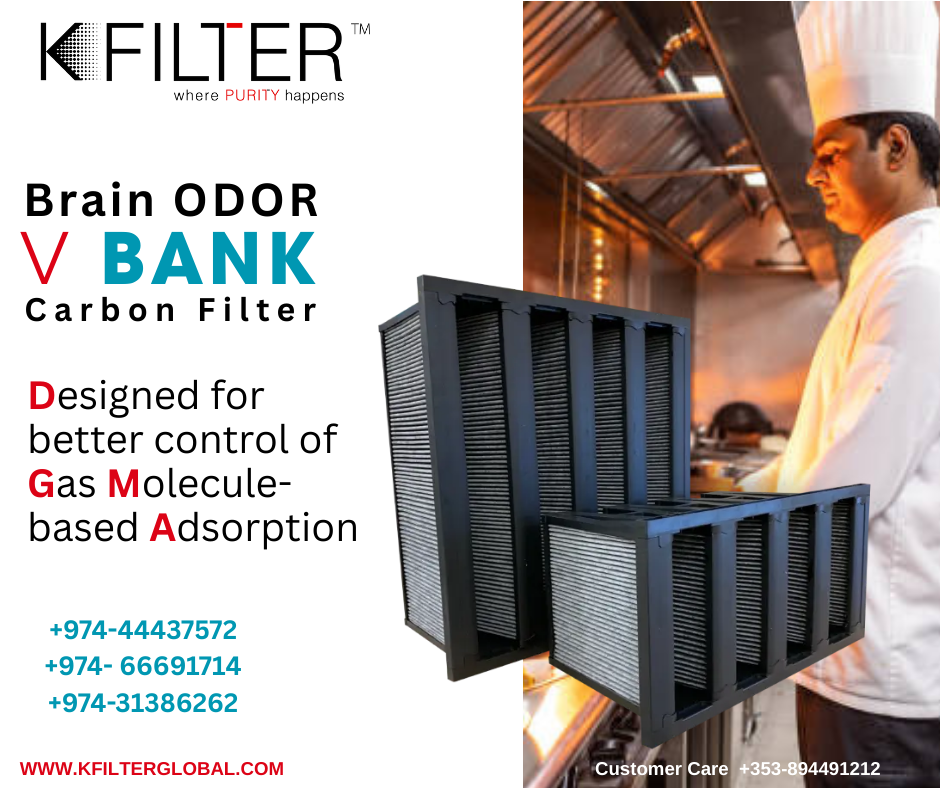
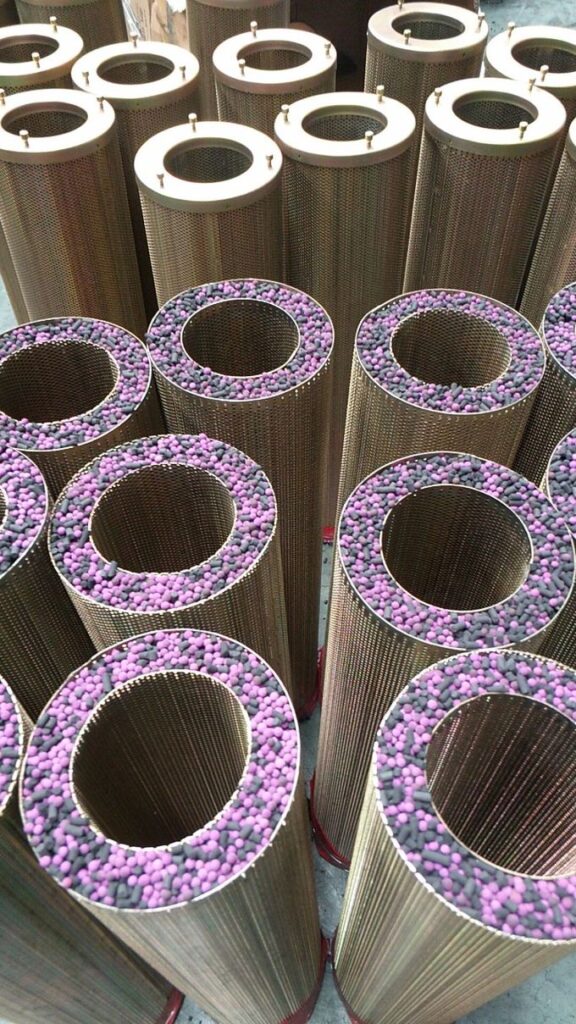
For “polishing” the air, nothing beats Barrel Series Cylindrical Carbon Filter . These filters use a massive internal surface area to trap gaseous odors and VOCs. In city environments, high-capacity carbon “honeycomb” or “pellet” filters ensure that the air being exhausted onto the sidewalk is neutral and fresh.
3.Kitchen Electrostatic Precipitator (ESP)
Before you can stop the smell, you must stop the smoke. Electrostatic Precipitator ESP units use high-voltage ionizers to charge smoke particles, pulling them out of the airstream with up to 98% efficiency.
Comparison of Urban Odor Solutions
| Solution | Best Application | Primary Benefit |
| Electrostatic Precipitator ESP Units | High-smoke (Grills/Woks) | Removes visible smoke & grease |
| Activated Carbon | General Odor / VOCs | Neutralizes gaseous “smells” |
| UV-C / Ozone | High-grease / Low-space | Reduces duct cleaning & fire risk |
| Multi-Stage Scrubber | Mixed-use High-rises | 99% total purification |
Compliance and Planning: Meeting DEFRA and EPA Standards
Whether you are in London, New York, or Dubai, environmental regulations are tightening. Modern systems allow for low-level discharge, meaning you don’t need to run a massive duct up the side of a 20-story building.
Expert Insight: “A properly designed odor control system can increase the ‘leasable space’ of a building by eliminating the need for bulky internal duct shafts.”
Why Choose K Filter for Your City Project?
We specialize in bespoke air handling solutions for the world’s most challenging environments. From compact carbon scrubbers for street-side cafes to industrial-grade UV systems for international hotel chains, we ensure your business smells like success—and nothing else.
Contact our Engineering Team today for a site-specific Odor Risk Assessment.