Skip to content
Media Pleated Filter – The distinction between Multi-Layer Aluminum Expanded Mesh Filters and Synthetic Media Pleated Filters centers on the trade-off between long-term durability and immediate air purity.
While both are categorized as “Media Pleated Filter pre-filters” in HVAC systems to protect secondary high-efficiency filters (like HEPA Filter), they serve fundamentally different environments and maintenance workflows.

1. K Wash Washable Aluminum Media Pleated Filters
- Sustainability & Reusability: Positioned as “eco-friendly” because they eliminate the recurring waste of disposable units
- Extreme Durability: Best suited for harsh environments with high moisture, heat, or grease (e.g., commercial kitchens and industrial exhausts)
Cost Efficiency (Long-Term): Higher upfront investment that pays off over 3–5 years by removing the need for frequent replacements
Key Technical Specs:
- Efficiency: Typically low to moderate (MERV rated Filters 1–4). They are “impingement” filters, best at catching large debris like weld slag, lint, and hair.
- Maintenance: Requires periodic washing with water or mild detergent; must be completely dry before re-installation to prevent biological growth.

2. Synthetic Media Pleated Filters
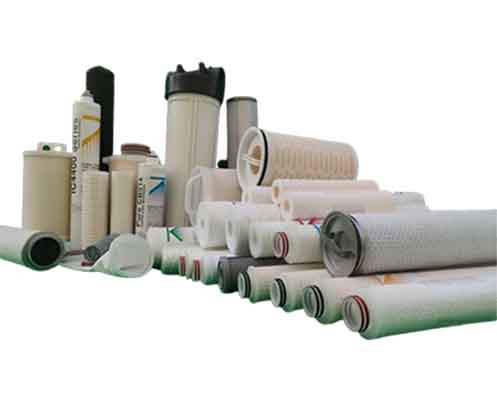
These are disposable filters made from synthetic fibers (polyester or polypropylene) folded into “V” shapes to maximize surface area V Wash Filter.
- Indoor Air Quality (IAQ): Focused on “health” and “allergy relief.” These catch microscopic particles that mesh filters miss, such as pollen, mold spores, and dust mites.Low Initial Cost: Highly attractive for residential and commercial property managers looking for low upfront maintenance expenses.
- System Protection: The high surface area allows for high dust-holding capacity without creating excessive “pressure drop” (airflow resistance) until the filter is full
Key Technical Specs:
- Efficiency: Generally high-performance (MERV 8–13). Modern versions often use electrostatically charged fibers to “pull” particles out of the air.
- Maintenance: “Set and forget” for 60–90 days, then replace. This is the preferred choice for facilities prioritizing convenience over waste reduction
| Feature | Aluminum Mesh Filter | Synthetic Pleated Filter |
| Material | Expanded Aluminum Layers | Pleated Synthetic Fiber |
| Life Cycle | Washable / Reusable (Years) | Disposable (3 months) |
| Ideal SEO Audience | Industrial, Kitchen, Sustainable | Residential, Office, Allergy-focused |
| Key Strength | High temperature & moisture resistance | High fine-particle capture efficiency |
| Common MERV | 1 – 4 | 8 – 13 |
Advantages of Washable pre air Filters
The Sustainable Choice: Long-Term Value and Environmental Impact
Washable air filters represent a strategic investment in both operational efficiency and sustainability. While the initial investment is higher than disposable alternatives, these permanent filters eliminate the recurring cost of replacements, delivering significant long-term cost-effectiveness. By transitioning to a washable solution, facilities can drastically reduce their environmental footprint, diverting bulk waste from landfills and supporting “green” building initiatives.
Maintenance is remarkably straightforward. Most industrial models require only a routine water rinse every few months to restore peak performance. By adhering to a simple cleaning schedule tailored to your specific environment, you ensure optimal airflow and reduced static pressure. This not only protects your hardware from unnecessary strain but also enhances energy efficiency, lowering utility costs over the life of the system
The Importance of Proper Maintenance Protocols
The primary trade-off for the durability of a washable filter is the operational upkeep required. To prevent a decrease in filtration efficiency, a consistent cleaning schedule is mandatory.
- Moisture Control: In industrial environments, the “dry-out” period is the most critical step. Failure to eliminate residual moisture can foster biological contaminants like mold, which degrades operational efficiency and risks air supply contamination.
- Labor Allocation: For high-volume operations where convenience and speed are prioritized, the labor hours associated with manual cleaning should be factored into the total cost of ownership. Without a dedicated maintenance protocol, the effectiveness of the filter may diminish over time.
https://www.facebook.com/kfilters