Skip to content
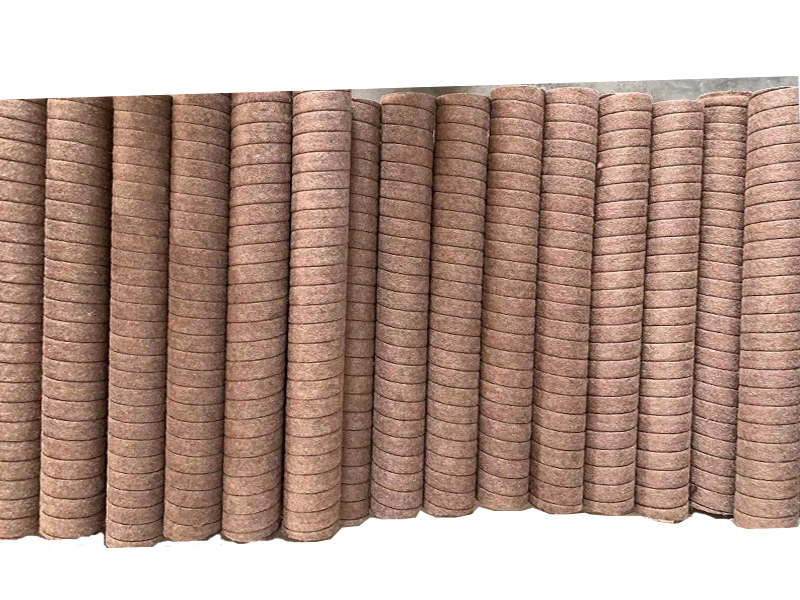
25-Micron PP Liquid Filter – When you are clearing debris out of a newly installed pipeline or trying to reclaim value from used industrial oil, the right filtration media makes all the difference. Among the various options available, the 25-micron PP liquid filter is a highly reliable choice for these specific applications.
Here is a practical look at why this specific micron rating and material work so well for pipeline flushing and oil purification, and how to get the best performance out of them.

Why 25-Microns PP Liquid Filter is the Sweet Spot
In liquid filtration, choosing the right micron rating is always a balancing act between fluid flow and particle separation.
- For Pipeline Flushing: After construction or maintenance, pipelines are full of weld slag, pipe scale, rust, and construction debris. A 25-micron filter acts as an excellent primary or secondary clean-up stage. It is tight enough to catch the abrasive particles that could damage downstream pumps and valves, but open enough that it won’t instantly blind or clog when the initial burst of debris hits the housing.
- For Used Oil Purification: Used oils, whether hydraulic, gear, or motor oils, carry a mix of large carbon chunks, metal shavings, and fine silt. Starting with a 25-micron filter allows you to strip out the bulk of the heavy particulate matter. This protects finer polishing filters downstream, extending their lifespan and reducing your overall operating costs.
The Advantages of Polypropylene (PP)
Material compatibility is just as important as pore size. Polypropylene is widely used in industrial filtration for several practical reasons.
1. Broad Chemical Compatibility
Polypropylene is highly resistant to a wide range of fluids. It handles petroleum-based oils, synthetic lubricants, water, and many flushing chemicals without degrading, swelling, or shedding fibers into the fluid stream.
2. High Dirt-Holding Capacity
Whether you use PP felt filter bags or PP depth cartridges (like melt-blown or wound cartridges), the material is designed to trap particles throughout its entire thickness, not just on the surface. This means it can hold a significant number of contaminants before the pressure drop forces a change-out.
3. Temperature Considerations
25-Micron PP Liquid Filter performs exceptionally well in standard operating conditions. It is generally rated for temperatures up to about 180°F (82°C). If your oil purification process requires heating the oil to lower its viscosity, just ensure your process temperatures stay within this limit to maintain the structural integrity of the filter.
Practical Tips for Implementation
To get the most out of your 25-micron PP filters, keep these operational best practices in mind.
1. Monitor the Pressure Differential
Never judge a filter’s life solely by time. Install pressure gauges before and after the filter housing. A clean filter will show a minimal pressure drop. As it loads up with debris from the pipeline or used oil, the restriction will cause the upstream pressure to rise. Change the filter according to the manufacturer’s recommended terminal pressure drop—usually around 15 to 22 PSI—to prevent the bypass of contaminants or filter rupture.
2. Consider a Two-Stage System for Heavy Sludge
If the used oil is heavily contaminated or the pipeline has significant debris, a single 25-micron filter might load up too quickly. Pairing it with a coarser pre-filter upstream (like a 50 or 100-micron mesh strainer) will catch the large chunks, leaving the 25-micron PP filter free to capture the finer suspended solids efficiently.
3. Match Flow Rates Accurately
Viscosity plays a major role in filtration, especially with oils. Cold oil is thicker and harder to push through a filter than water. Ensure your pump’s flow rate matches the filter housing’s capacity at the operating viscosity of your fluid, not just its water-rated capacity. Slowing down the flow rate slightly can actually improve filtration efficiency and extend filter life.
25-Micron PP Liquid Filter vs. Nylon Filter Bags: Key Differences
When selecting a 25-micron filter bag for pipeline flushing or used oil purification, your two primary material options are polypropylene (PP) and nylon. While both can be rated at 25 microns, they are constructed differently and handle fluids in distinct ways.
The following breakdown compares how they perform in these specific applications.
1. Filtration Mechanism: Depth vs. Surface
The biggest operational difference lies in how these two materials trap particles.
- Polypropylene Felt: PP bags are usually made from non-woven felt, which creates a three-dimensional “depth” filter. As the used oil or flushing fluid passes through, particles are trapped throughout the entire thickness of the material. This depth design is highly effective at capturing irregularly shaped debris, carbon silt, and shear-sensitive contaminants without clogging instantly.
- Nylon Mesh: Nylon filter bags are typically constructed from a woven monofilament mesh. This creates a precise, two-dimensional “surface” filter. Particles larger than 25 microns are stopped right at the surface, while smaller particles pass through.
2. Temperature and Chemical Tolerance
Both materials handle petroleum and synthetic oils well, but they react differently to temperature and specific chemical additives
- Temperature Limits: Nylon has a higher temperature tolerance than polypropylene. Nylon can safely operate in environments up to 300°F (149°C). Polypropylene begins to soften and lose its structural integrity around 180°F (82°C). If your oil purification process requires high heat to lower viscosity, nylon is often the safer choice.
- Water and Moisture: Pipeline flushing often involves water or a water-chemical mix. Polypropylene is hydrophobic; it does not absorb water or swell, meaning its pore size stays consistent. Nylon is hydrophilic and can absorb moisture, which can cause the fibers to swell slightly and alter the flow characteristics when water is present.
3. Cleanability and Reuse
Operating costs often depend on whether you can clean and reuse your filter media.
- Polypropylene (Disposable): Because PP felt traps particles deep inside its fiber matrix, it is nearly impossible to wash out completely. Once a PP bag reaches its maximum pressure drop, it must be replaced.
- Nylon (Washable): Because nylon mesh captures debris strictly on the surface, it can often be washed, rinsed, and reused multiple times, especially when dealing with rigid debris like pipeline scale or metal shavings. However, sticky carbon sludge from used oil can still be difficult to remove fully from the mesh.
PP vs Nylon: Quick Comparison Table
| Property | PP | Nylon | Preferred Material |
|---|---|---|---|
| Chemical Resistance | Very good | Good | PP |
| Coefficient of Friction | 0.28 | 0.15 | Nylon |
| Coefficient of Thermal Expansion (between 21 and 100°C) | 8 × 10⁻⁵ /K | 8 × 10⁻⁵ /K | Both |
| Compressive Strength | 48 MPa | 86 MPa | Nylon |
| Cost | Relatively inexpensive | Relatively inexpensive | PP |
| Dielectric Strength | 35-40 kV/mm | 15.8 kV/mm | PP |
| Elongation | ~400% | 60% | PP |
| Flexural Modulus | 1.2 GPa | 3.1 GPa | Nylon |
| Hardness (Shore D) | 77 | 85 | Nylon |
| Service Temperature | -40°C to 100°C | -40°C to 120°C | Nylon |
| Tensile Strength | 30 MPa | 75 MPa | Nylon |
| Thermal Conductivity | ~0.22 W/m·K | ~0.245 W/m·K | Nylon |
| Water Absorption | less than 0.01% | 0.3% | PP |
Which One Should You Choose?
Choose Polypropylene if you are dealing with used oil purification where fine carbon soot, sludge, and varied debris sizes are present. The depth of the felt will hold more total volume of these soft contaminants before clogging. It is also the preferred choice for ambient temperature pipeline flushing due to its excellent water resistance.
Choose Nylon if you are flushing a high-temperature oil system (above 180°F) or if the debris consists strictly of large, hard particles like weld slag and pipe scale that you want to easily wash off the bag and reuse the media.
Frequently Asked Questions
1. Can a 25-micron filter remove water from used oil?
No, a standard 25-micron polypropylene or nylon filter only removes solid particulate matter. Because water mixes with or emulsifies into oil, it passes right through a particulate filter. To remove water, you need specialized water-absorbing media, a coalescer, or a vacuum dehydration system after the initial particulate filtration stage.
2. How do I know when the 25-micron filter bag needs to be changed?
The most reliable method is monitoring the differential pressure across the filter housing. As the bag fills with pipeline debris or oil sludge, the pressure drop will rise. You should change the bag when the differential pressure reaches the manufacturer’s recommended limit, which is typically between 15 and 22 PSI. Waiting longer can cause the bag to rupture or force contaminants through the media.
3. Does fluid temperature affect how well the filter performs?
Yes, especially when filtering used oil. Cold oil has a higher viscosity (it is thicker), which creates a higher initial pressure drop and reduces the flow rate through the filter. Heating the oil to a safe temperature—under 180°F (82°C) for polypropylene—thins the oil, allowing it to pass through the 25-micron pores more efficiently and extending the life of the filter bag.
4. Is a 25-micron filter tight enough to protect hydraulic systems?
Usually, a 25-micron filter serves as a pre-filter or cleanup filter rather than the final stage for modern hydraulic systems. Most sensitive hydraulic components and valves require a cleanliness level achieved by 3-micron to 10-micron filters. Using the 25-micron filter first removes the bulk of the heavy debris, preventing the expensive sub-10-micron final filters from clogging prematurely.
5. Can I use a nylon mesh bag for water-based pipeline flushing?
You can, but you must account for fiber swelling. Nylon naturally absorbs water, which can cause the woven strands to expand slightly and tighten the pore sizes, reducing your flow rate faster than expected. Polypropylene is completely hydrophobic (repels water), making it the more stable and predictable choice for flushing pipelines with water or water-based chemical solutions.