Skip to content
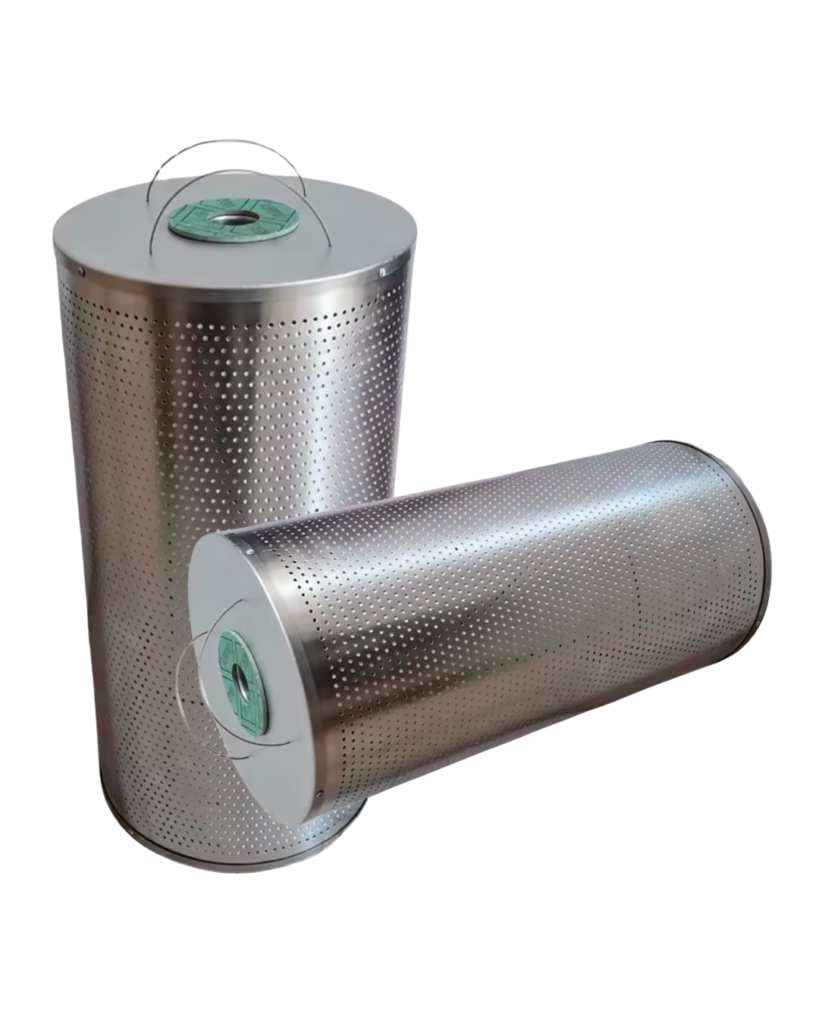
Activated Carbon Canisters – In the high-stakes environment of gas processing and refining, the “invisible enemies” are often the most destructive. Hydrocarbons, specifically condensate oils and C5+ heavy hydrocarbons, are notorious for destabilizing amine and glycol systems.
If your facility is struggling with persistent foaming, reduced absorption efficiency, or frequent equipment downtime, the solution lies in the precision of Activated Carbon Canisters.
The Threat: How Hydrocarbons Sabotage Your Process
Amine and glycol units are designed to be “clean” closed-loop systems. However, when process fluids become contaminated with liquid hydrocarbons, a chain reaction of operational failures begins:
- System Foaming: Hydrocarbons lower the surface tension of the amine or glycol solution. This leads to massive foaming, which causes “carry-over,” resulting in chemical loss and reduced gas-treating capacity.
- Thermal Degradation: Heavy C5+ hydrocarbo Soakup Carbon Canisterns can break down under heat, forming sludge that coats heat exchanger surfaces, significantly reducing thermal efficiency.
- Reduced Absorption: When impurities occupy the chemical “sites” in the fluid, the solution’s ability to absorb CO2 or H2S (in amine) or water (in glycol) drops sharply.
- Media Quality: The Iodine number of 1000 ensures a very high micropore volume, making it excellent for catching very small organic impurities
The Solution: The Science of Adsorption
This is where Activated Carbon Canisters become the frontline defense. Unlike simple mechanical filters that catch particles, activated carbon works through adsorption—a surface-level molecular attraction.
1. Superior Removal of C5+ and Condensates
Activated carbon is highly “oleophilic” (oil-attracting). It acts like a molecular sponge, specifically targeting long-chain hydrocarbons and condensate oils that mechanical filters simply cannot see.
2. Protecting Your Amine/Glycol Investment
By continuously “polishing” the lean or rich solvent, carbon canisters remove the surfactants that cause foaming. This reduces the need for expensive chemical anti-foam agents, which can actually cause their own fouling issues if overused.
3. Maintaining Heat Exchanger Integrity
By removing the heavy C5+ components before they reach the reboiler, you prevent the formation of “varnish” or “coke” on your heating elements, extending the life of your hardware and reducing energy costs.
Why K Filter Middle East Engineering Matters
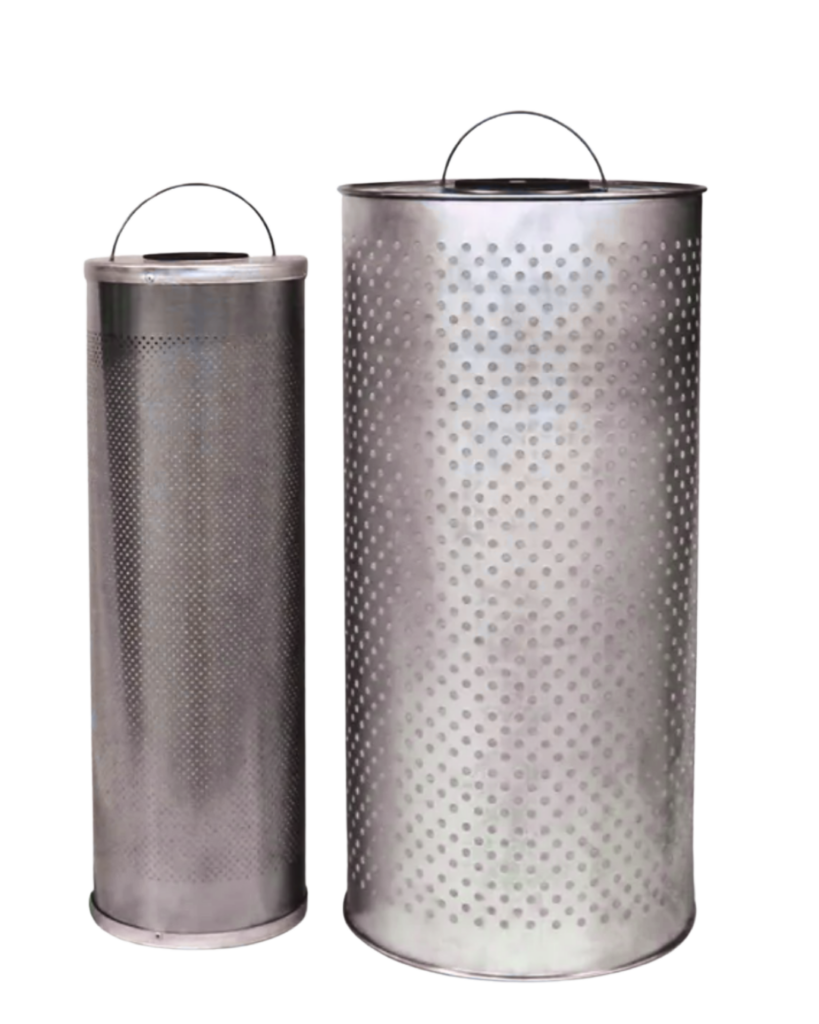
At Soakup Carbon Canister we understand that not all carbon is created equal. Our systems, developed by a team of specialized Technocrats, focus on:
Pore Size Optimization: Tailoring the carbon structure to capture the specific molecular weights of C5+ hydrocarbons.
High Surface Area: Maximizing the “contact time” to ensure impurities are trapped, not bypassed.
Durable Canister Design: Built for the high-pressure, high-temperature demands of industrial gas processing.
Soakup Carbon Canister suitable replaced with following
Nowata 7NC20 Series
Nowata 11NC22 Series
Charcoal Adsorber canisters
61V Ca Activated Carbon Filters
Peco Series CARBOMAX
618-C
636-C
719-C
720-C
SoakUP Carbon canister substituted CarboMax PECO vertical vessels
Conclusion: Don’t Just Filter—Purify.
In the war against contamination, managing symptoms (like adding anti-foam) is a losing battle. To truly master your process, you must remove the root cause. Utilizing activated carbon canisters engineered with European precision ensures your amine and glycol loops remain clean, efficient, and profitable.