Skip to content
A filter that fits the housing can still be the wrong filter for the job. A nominal cartridge installed where absolute retention is required, a coalescer exposed to liquid slugs, or a fine HVAC filter added without checking fan static pressure can create costly downtime instead of control. This industrial filtration selection guide starts with the operating condition, then works back to the media, efficiency, configuration, and replacement strategy required to protect the system.
Start the Industrial Filtration Selection Guide With the Contaminant
Filtration selection is not a catalog exercise. The first question is what must be removed and what happens if it passes downstream. Solid particulate, water, oil aerosol, vapor-phase contaminants, microorganisms, scale, fibers, wax, and process debris call for different mechanisms. One housing may accept several cartridge styles, but those elements will not produce the same result.
For liquid streams, identify particle size distribution, concentration, hardness, and shape. A coarse strainer can intercept weld slag, rust flakes, and large debris before a pump, while a depth filter may manage broad particulate loading in water, fuels, lubricants, or chemicals. Where critical downstream equipment needs defined removal performance, specify an absolute-rated cartridge or bag with a documented micron rating.
For compressed air and gas, distinguish between dry particulate, bulk liquid, oil aerosols, and vapors. A particulate element does not replace a coalescing stage. Coalescing media captures fine liquid aerosols and can reduce downstream oil carryover, but it must be protected from excess liquid loading and maintained at its recommended differential pressure. Activated carbon is used for oil vapor and odor reduction, not for bulk oil removal.
Air systems require the same discipline. Facility HVAC filtration may be selected by MERV or ISO 16890 classifications such as ePM1 and ePM2.5. Clean environments may require HEPA H13 or higher-grade final filtration. Kitchen exhaust odor control, solvent vapor concerns, and corrosive gas exposure require gas-phase media, often with activated carbon or chemically treated media. Particulate filters cannot solve a molecular contaminant problem.
Define the Required Filtration Mechanism
Once the contaminant is known, select the mechanism that matches it. Surface filtration retains contaminants on the exterior of the media. It is common where particles are relatively uniform and where cleanability or a stable cutoff is needed. Pleated cartridges, screen elements, and many bag filters operate primarily this way.
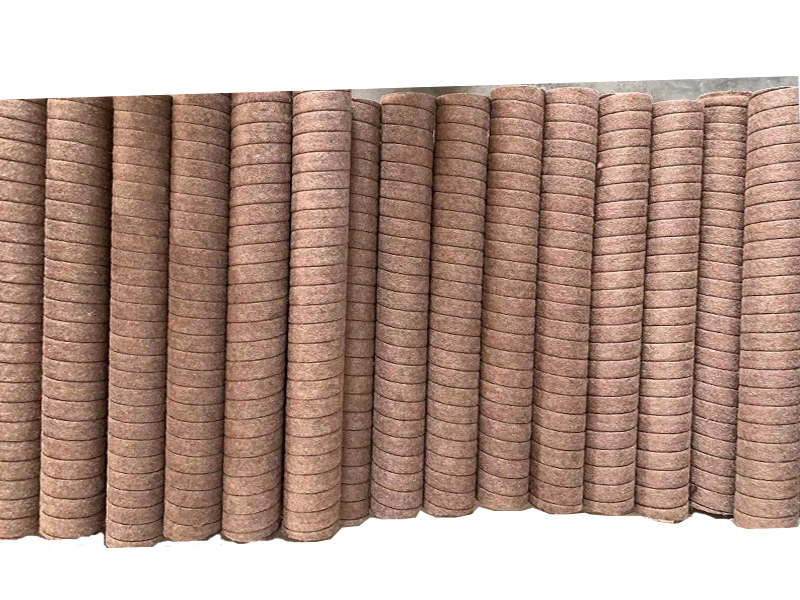
Depth media captures particles through the media structure. Melt-blown polypropylene, wound cartridges, cellulose blends, and other graded-density constructions can offer high dirt-holding capacity for variable or heavy particulate loads. The trade-off is that particle retention is less sharply defined unless the element is specifically rated and validated for absolute performance.
Coalescing filtration combines interception and drainage. Fine fibers bring liquid aerosols together into larger droplets that drain from the media. Orientation, drain design, air velocity, and upstream water separation all affect performance. In compressed-air treatment, a common arrangement is bulk water removal, particulate prefiltration, high-efficiency coalescing filtration, then vapor adsorption if the air-quality target requires it.
Membrane filtration is used when defined retention and low extractables matter, including food and beverage water, pharmaceutical support utilities, electronics, and critical process applications. PTFE, PVDF, nylon, PES, and polypropylene membranes have different chemical, temperature, wetting, and flow characteristics. Material selection should follow the actual fluid, concentration, sanitization method, and operating temperature rather than a general statement of chemical resistance.
Set the Performance Target Before Choosing Micron Rating
Micron rating alone does not tell a buyer how a filter will perform. Confirm whether the rating is nominal or absolute, the test method behind it, and the acceptable downstream contamination level. A nominal 10-micron element may reduce a large share of particles near that size, while an absolute-rated 10-micron element is designed to provide a more defined retention threshold under stated conditions.
Beta ratio is useful when comparing liquid and hydraulic elements. A beta ratio expresses upstream particle count divided by downstream particle count at a stated particle size. Higher beta values indicate stronger capture efficiency at that size. For example, a beta 200 rating corresponds to 99.5% efficiency under the test conditions, but system performance still depends on seal integrity, bypass settings, flow, fluid viscosity, and installation quality.
For hydraulic and lube systems, selection should also align with the cleanliness target for valves, pumps, bearings, and servo components. Fine filtration can extend component life, but placing a restrictive element in a cold, high-viscosity startup circuit may cause high differential pressure or bypass events. A staged approach may be more practical: coarse suction protection, offline kidney-loop polishing, and properly rated pressure or return-line elements.
For HVAC, do not specify high efficiency without reviewing the air-handling unit. A higher ePM1 or MERV rating generally increases resistance, particularly as loading rises. Verify fan capacity, final resistance, gasket integrity, frame construction, and whether prefilters can protect expensive final filters. In cleanrooms and critical spaces, scan-tested HEPA assemblies, proper gel or gasket sealing, and housing leak control are as consequential as the rated media.
Verify Process Conditions and Materials of Construction
The selected filter must survive its environment. Document normal and maximum flow, operating pressure, pressure spikes, temperature range, viscosity, fluid density, and expected differential pressure. A filter element with an acceptable clean pressure drop may become restrictive quickly if the fluid is cold, the contamination load is high, or the flow is substantially above its design point.
Housing and seal materials require equal attention. Stainless steel housings may be appropriate for sanitary water, corrosive process fluids, and washdown areas, but grade selection still matters. Carbon steel can be suitable for many oils, fuels, and industrial liquids when corrosion risk is controlled. Buna-N, EPDM, Viton, silicone, and PTFE seals each have different compatibility limits with hydrocarbons, steam, acids, caustics, oxidizers, and high temperatures.
For food, beverage, and hygienic applications, also review surface finish, drainability, clean-in-place requirements, sanitary connections, and extractable concerns. A filter that removes particles effectively but cannot be cleaned, sanitized, or validated within the plant’s procedures creates a compliance and maintenance burden.
Match the Filter Configuration to Service Reality
Configuration affects service time as much as filtration performance. Cartridges offer broad media options and defined micron control. Filter bags can be economical for high-flow liquid applications with moderate-to-heavy solids loading. Duplex strainers and duplex housings support continuous operation because one side can be serviced while the other remains online. Basket strainers are often selected for startup debris and pump protection, not fine polishing.
For severe service, consider how contamination reaches the filter. Oil and gas separation may involve droplets, mist, sand, and liquid slugs. Fuel filtration may need water separation as well as particulate removal. Steam service requires components rated for temperature, pressure, and condensate conditions. Gas turbine intake systems require attention to ambient dust, salt, moisture, pulse-cleaning capability, and the consequence of compressor fouling.
Replacement compatibility also deserves verification. An aftermarket-compatible element can reduce procurement cost and lead time when it matches the OEM element’s dimensions, end caps, seals, collapse strength, media specification, and performance requirement. Fit alone is not enough. Confirm part number cross-reference, bypass or relief behavior where applicable, and whether the replacement is intended for the same service class.
Build Maintenance Into the Specification
A filtration specification should state when an element is changed, not merely what is installed. Differential pressure is the most useful replacement trigger for many liquid, hydraulic, compressed-air, and HVAC applications. Establish a clean baseline, monitor the rise, and use the housing or equipment manufacturer’s maximum differential-pressure limit. Calendar-based changes still have a place for hygienic filters, critical air filters, or low-use systems, but they should not replace condition monitoring where loading varies.
Plan for access and safety. Confirm clearance for cartridge removal, lifting requirements for large housings, isolation valves, drains, vent points, and the method for containing contaminated liquid. If an element holds hazardous material, spent media disposal, PPE, and exposure controls belong in the maintenance plan before the first replacement is due.
Keep critical spares based on lead time and consequence of failure. This is especially relevant for specialized coalescers, HEPA modules, high-pressure hydraulic elements, and compatible replacements for installed OEM housings. Standardizing approved element families across similar equipment can simplify stocking without forcing one filter design into incompatible duties.
A technically correct specification gives procurement a clear path: contaminant, required cleanliness, media, rating basis, flow, pressure, material compatibility, housing configuration, and replacement trigger. When those details are available, K Filter Global can help align a standard, engineered, or compatible replacement filtration solution with the equipment actually operating in the field. The best next step is to collect one current element part number, operating data, and a sample of the contamination problem before issuing the purchase request.