Skip to content
In the harsh climate of the Middle East, Air Handling Units (AHU) and Fresh Air Handling Units (FAHU) are the lungs of any building. At the heart of these systems are Pocket Filters (or Bag Filters). When they fail, the consequences are immediate: compromised air quality, increased energy bills, and potentially catastrophic damage to downstream components like cooling coils and fans.
In cities like Doha, where fine desert sand and high humidity are constant challenges, preventing filter failure is essential for operational efficiency. Here is how you can protect your HVAC system and your bottom line.

1. Monitor Differential Pressure (ΔP) Rigorously
The most common cause of pocket filter failure is “over-loading.” As a filter traps dust, the resistance to airflow increases.
- The Risk: If the pressure drop becomes too high, the pockets can “blow out” or tear, allowing unfiltered air to bypass the system.
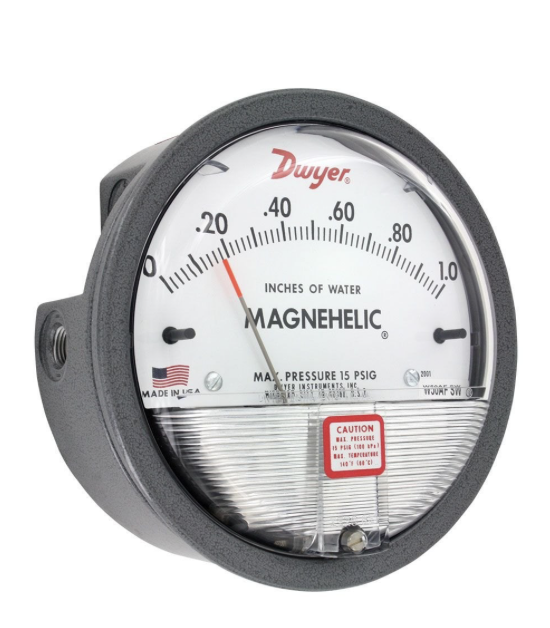
- The Fix: Install calibrated manometers or Magnehelic gauges. Replace your pocket filters when they reach the manufacturer’s recommended final resistance (usually around 250–450 Pa, depending on the model).
2. Never Skip the Pre-Filtration Stage
Pocket filters are designed for fine secondary filtration. Exposing them directly to heavy sand and large particles will cause them to “blind” (clog) prematurely.
- The Strategy: Always use high-quality G4 primary pleated filters or metallic washables in front of your F7 or F9 pocket filters.
- The Saving: Pre-filters are significantly cheaper to replace than pocket filters. Protecting your pocket filters can extend their lifespan by 30% to 50%.
3. Ensure a Correct Mechanical Seal
Even the best filter is useless if air can leak around the edges. In many FAHUs, air bypasses the filter because of poorly maintained holding frames.
- The Fix: Inspect the gaskets on your filter frames during every maintenance cycle. Use AuraFlow Pocket Filterswith high-integrity headers (plastic or galvanized steel) that lock securely into the housing to ensure a 100% airtight seal.
4. Beware of Humidity and Moisture
In the Gulf, high humidity can lead to moisture carry-over. Standard fiberglass or low-grade synthetic pockets can “sag” when wet, causing the pockets to stick together.
- The Result: This reduces the active surface area, spikes the pressure drop, and can lead to microbial growth.
- The Fix: Use hydrophobic synthetic media pocket filters. These are moisture-resistant and maintain their shape (stiffness) even in 90%+ humidity.
5. Choose the Right Pocket Design (Aerodynamics)
Not all pocket filters are created equal. Poorly designed pockets may not inflate fully, leading to “dead zones” where no filtration occurs.
- The Solution: Look for filters with span-stitch or sonic-welded spacers. These ensure the pockets stay open and aerodynamic, allowing for uniform air distribution and lower energy consumption.
| Consequence of Failure | Impact on Facility |
| Coil Fouling | Reduced cooling efficiency and expensive chemical cleaning. |
| Increased Energy Use | Fans must work harder to push air through clogged filters. |
| Poor IAQ | Sick Building Syndrome and tenant complaints. |
| Blower Damage | Fine dust can unbalance fans and wear out bearings. |
Why K FILTER Qatar is Your Best Partner for HVAC Solutions
Manufacturing locally in Doha, K FILTER understands the specific challenges of the Qatar environment. We provide:
- F7, F8, and F9 Rated Pocket Filters: Fully compliant with EN779:2012 and ISO 16890.
- Custom Sizes: Tailored to fit any AHU/FAHU brand (Carrier, York, Daikin, etc.).
- Local Stock: Eliminate long lead times and ensure your maintenance schedule stays on track.
Stop reacting to filter failures and start preventing them. Contact K FILTER Manufacturing WLL today for a site audit of your AHU filtration systems. We help you choose the right media for the right environment.
Location: Doha, Qatar
Email: sales@kfilterglobal.com Phone: +974-44437572