Skip to content
Flushing Filter Bags – Industrial piping systems and heat exchangers are the lifelines of manufacturing, chemical processing, and HVAC operations. Over time, however, these systems accumulate construction debris, pipe scale, rust, and chemical by products.
Left unchecked, this debris restricts flow, severely reduces thermal efficiency, and can even cause catastrophic equipment failure.
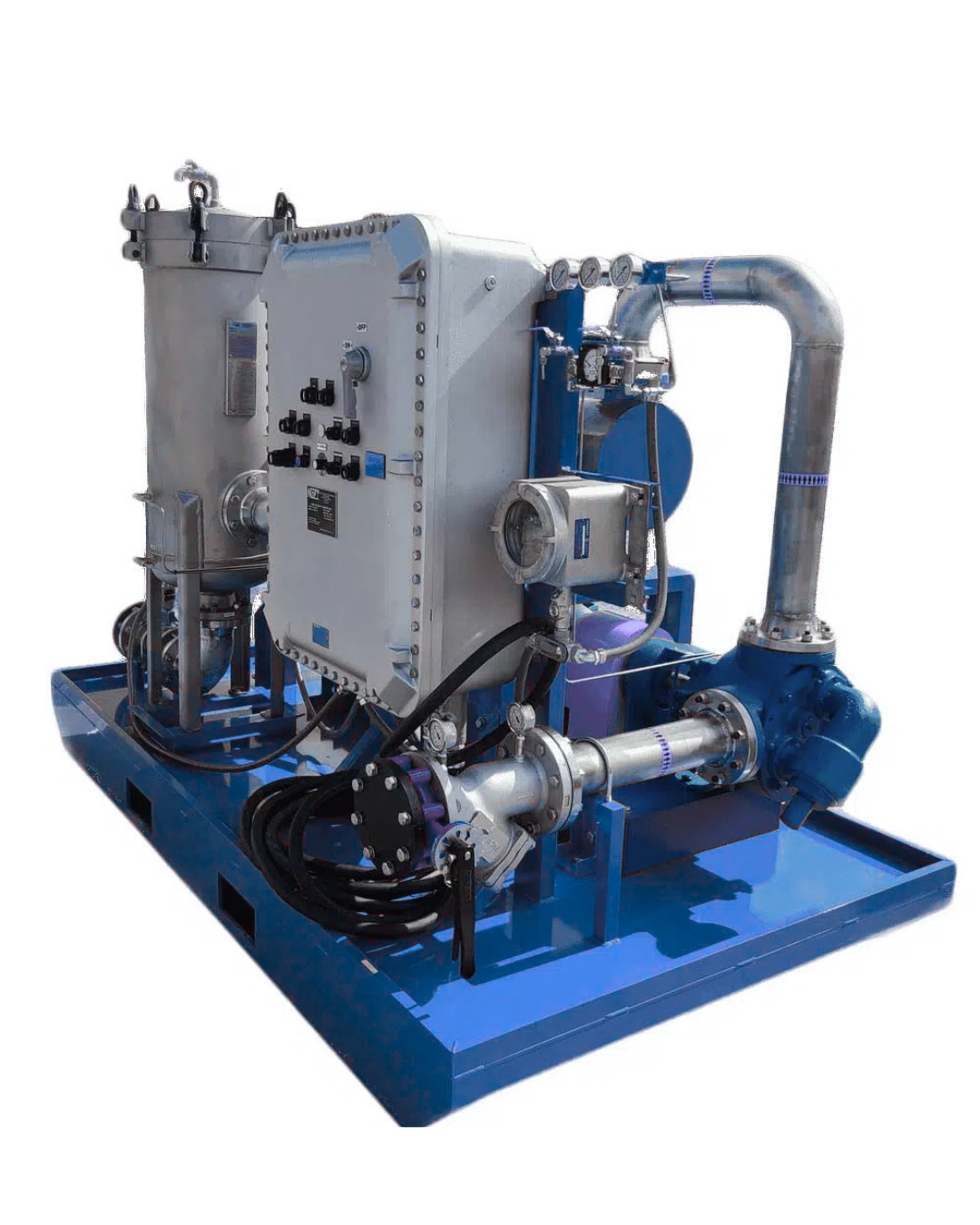
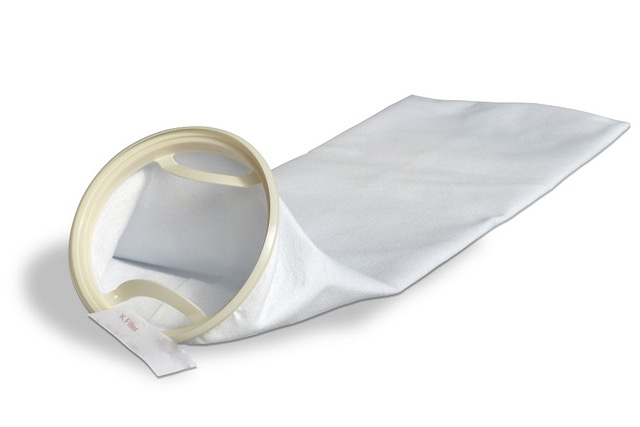
The most effective line of defense during a system flush? High-performance Liquid Filter Bag. Here is everything you need to know about selecting and using flushing filter bags to protect your capital equipment and keep your operations running smoothly.
Why System Flushing Requires Specialized Filter Bags
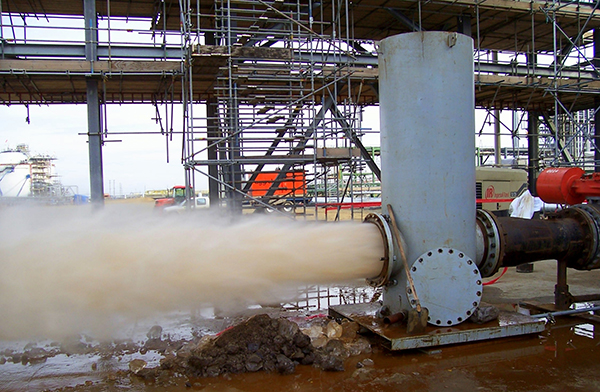
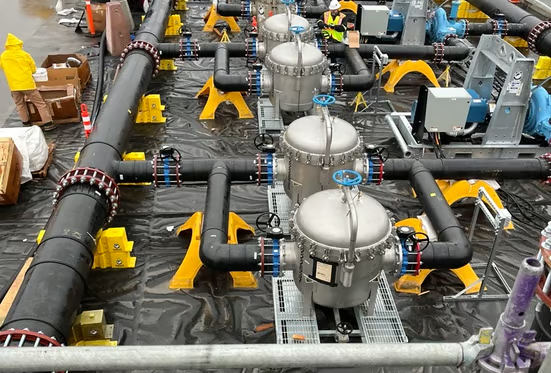
During a commissioning or maintenance flush, a High Velocity fluid is pumped through the system to dislodge contaminants. Standard filtration methods often fail during this process due to the sheer volume and unpredictable nature of the debris.
Using specialized flushing liquid filter bags offers several distinct advantages:
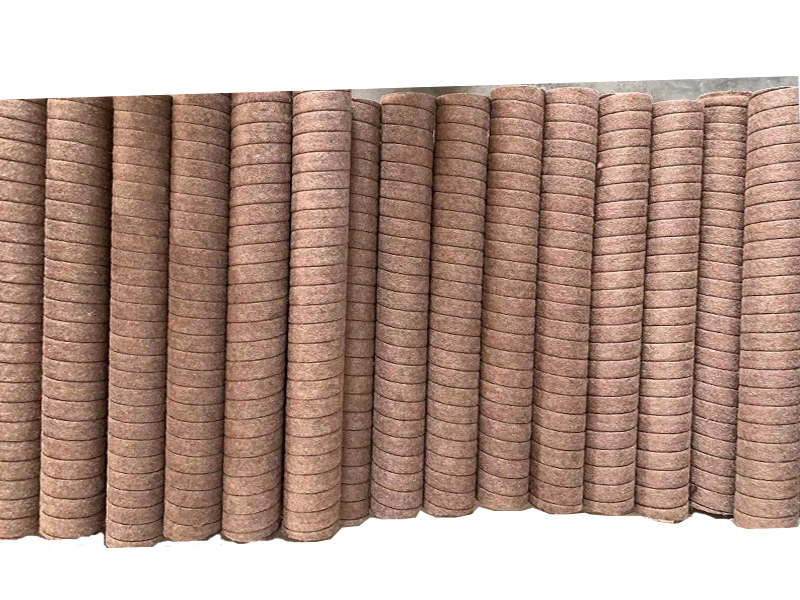
- High Dirt-Holding Capacity: Flushing dislodges massive amounts of particulate at once. Flushing bags are designed with deep needle felt or multilayered materials to trap large volumes of solids without instantly blinding (clogging).
- Protection for Sensitive Components: Heat exchangers feature narrow channels that plug easily. A quality filter bag captures these particles before they can enter and foul the exchanger’s plates or tubes.
- Cost-Effective Pre-Filtration: Using filter bags as a sacrificial barrier during a flush protects expensive downstream cartridge filters or membrane systems from premature blinding.
Key Considerations for Choosing a Flushing Filter Bag
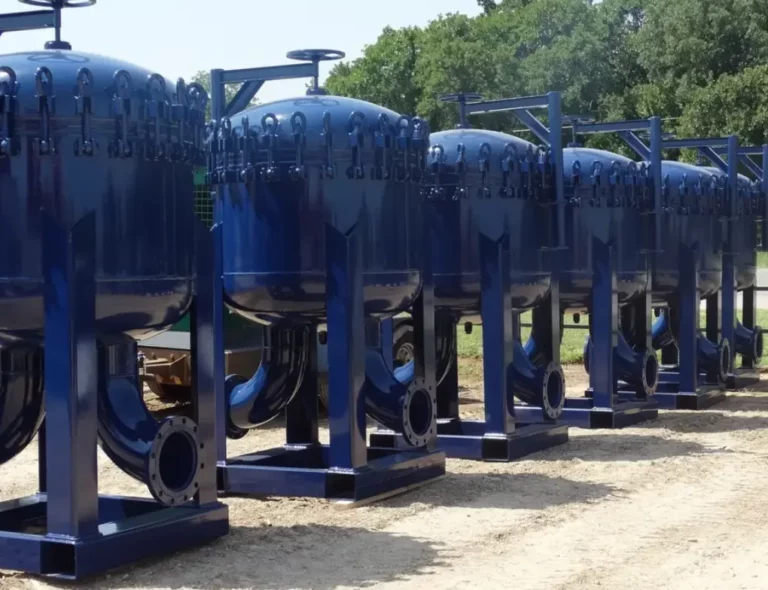
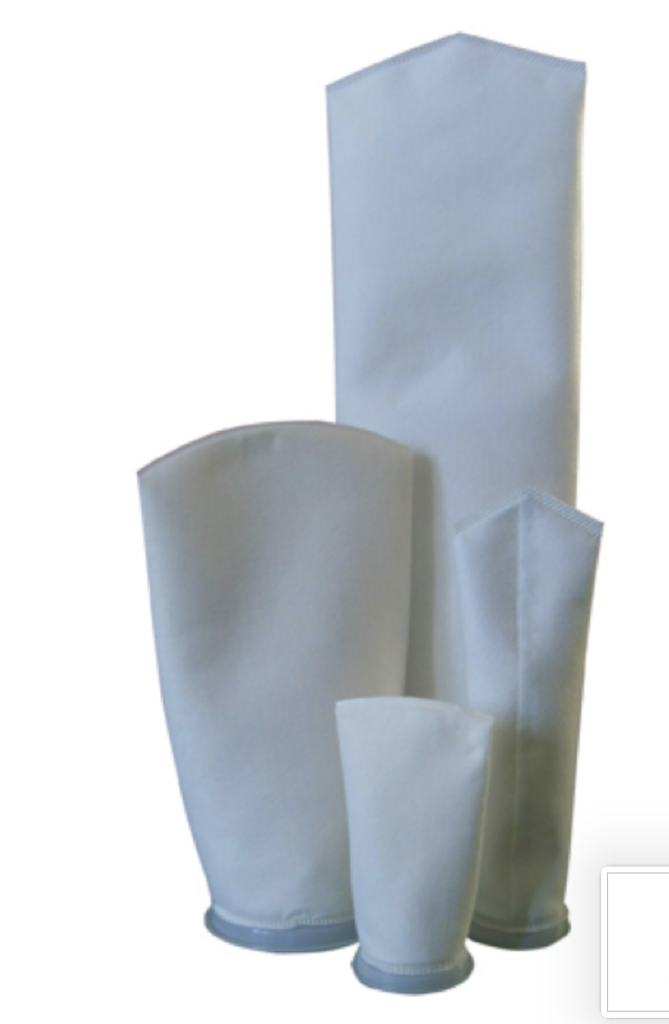
Not all filter bags are created equal. To ensure a successful flush, you need to match the bag material and construction to your specific system parameters.K Filter highly recommended Pellicle Series Needled felt filter bags.
1. Material Compatibility
The flushing fluid and its operating temperature dictate the bag material you should choose.
| Material | Temperature Limit | Best Used For |
|---|---|---|
| Polypropylene (PO) | Low ( 90∘C) | Water-based flushes, acids, and most corrosive chemicals. Very cost-effective. |
| Polyester (PE) | Medium ( 150∘C) | Hot water, mild solvents, and organic acids. Offers excellent tensile strength. |
| Nylon Mesh (NMO) | High ( 180∘C) | Heavy hydrocarbon, oil, or solvent flushes where precise surface filtration is needed. |
2. Micron Rating: Coarse to Fine
A common mistake is choosing a micron rating that is too fine right at the start of the flush. This leads to immediate clogging and system downtime.
- Best Practice: Implement a stepped filtration approach. Start with a coarse mesh (e.g., 100 to 200 microns) to capture large construction debris, slag, and scale. As the fluid clears, switch to a finer felt bag (e.g., 10 to 25 microns) to polish the fluid and capture micro-particles.
3. Ring Style and Sealing
A filter bag is only as good as its seal. If bypass occurs, contaminants will cruise right past the filter and straight into your heat exchanger.
- Plastic Flanges (Polyolefin/Santoprene): Provide a positive, pressure-activated seal against the filter housing basket, virtually eliminating bypass.
- Steel/Stainless Steel Rings: Ideal for high-temperature flushes or heavy-duty applications where mechanical rigidity is required.
Best Practices for a Successful Pipeline Flush
To maximize the lifespan of your filter bags and ensure a clean system, follow these operational guidelines: https://shipbuildingknowledge.wordpress.com/2017/10/25/pipe-flushing-inspection-notes/
- Monitor Differential Pressure (ΔP): Always install pressure gauges before and after the filter housing. Change out the filter bags when the ΔP reaches the manufacturer’s recommended limit (typically between 0.10 to 0.15 MPa or 15 to 22 PSI). Running bags past this point risks bursting the bag and releasing all captured debris back into the system.
- Maintain Correct Flow Velocity: High-velocity flushing is required to move heavy debris, but ensure the flow rate does not exceed the maximum rated capacity of your filter housing and bag combination.
- Inspect Dislodged Debris: Use the contents of the spent filter bags as a diagnostic tool. Analyzing the trapped debris (e.g., looking for excessive rust, weld slag, or biological growth) provides invaluable insight into the internal health of your pipeline network
Keep Your Systems Running Lean and Clean
Investing in the right pipeline and heat exchanger flushing filter bags is a small price to pay compared to the cost of chemically cleaning a fouled heat exchanger or repairing a damaged pump. By selecting the correct material, staging your micron sizes, and monitoring your pressure drops, you ensure a rapid, effective flush that protects your equipment for the long haul.
Need help sizing the right filter bags for your upcoming system turnaround? Contact our application engineering team today to find the perfect filtration match for your specific flow rates and chemical requirements.