 Skip to content
K Pure PES Series
K Pure PES Series Depth Filter Cartridges: High-Efficiency Industrial Filtration
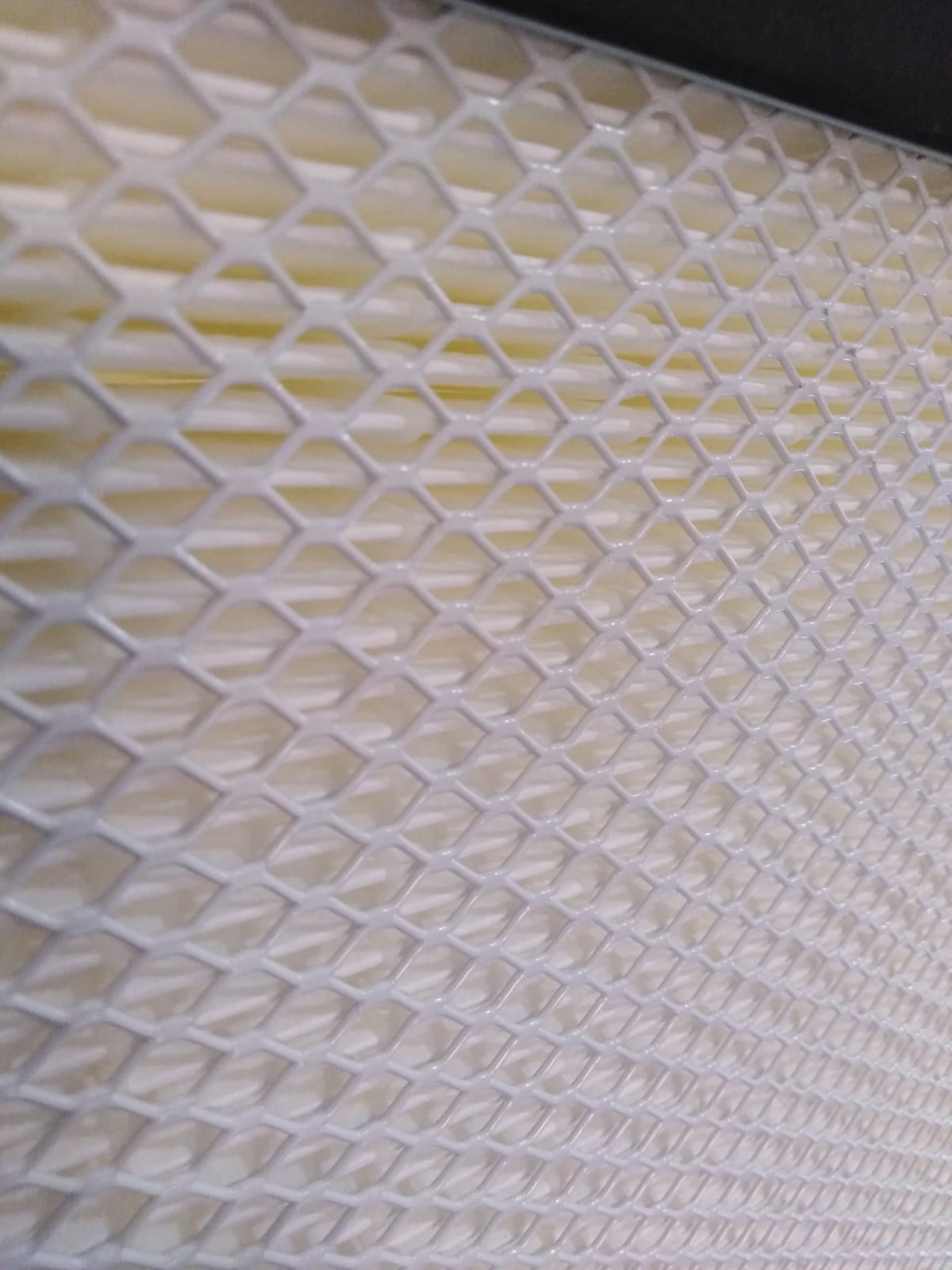
In high-stakes industrial and biological processing, the balance between purity and productivity is essential. K Pure™ PES Series Depth Filter Cartridges represent the next generation of pleated separation technology. By combining a Polyethersulfone (PES) architecture with high-performance 100% pure polypropylene (PP) or glass fiber media, these cartridges are built for environments that demand zero compromise.
Whether you are managing complex chemical flows or sensitive biological liquids, the K Pure PES series is engineered to deliver absolute-rated efficiency with an industry-leading low pressure drop.
Engineered for Maximum Flow and Purity
The K Pure PES Series is defined by its sophisticated multi-layer construction, offering distinct advantages for demanding filtration streams:
- Multi-Layer Pleated Design: Unlike standard single-layer filters, our advanced pleating technology increases the effective surface area, significantly extending the service life and reducing change-out frequency.
- High Flow, Low Resistance: Optimized media density ensures an extremely low pressure drop, allowing your system to maintain high flow rates without straining pumps or increasing energy costs.
- 100% Pure Media Options: Available in ultra-clean Polypropylene (PP) or Glass Fiber, ensuring high chemical compatibility and the removal of both rigid and deformable particulates.
- Structural Integrity: Designed to maintain consistent pore structure even under fluctuating pressure, preventing particle “unloading” into the clean filtrate.
Strategic Applications
The versatility of the K Pure PES Series makes it a staple in several critical sectors:
- Pharmaceutical Pre-filtration: Protecting expensive downstream sterilizing membranes from premature clogging.
- Fine Chemical Processing: Removing micro-particulates from specialty inks, resins, and high-purity solvents.
- Food & Beverage: Ideal for clarifying liquids where maintaining organoleptic properties (taste and smell) is vital.
- Industrial Water Treatment: Providing high-purity water for electronics, boiler feeds, and laboratory use.
Updated Master Comparison (Including K Pure PES Depth)
| Feature | K Pure PES Depth | K Pure Nylon 66 | K Pure PTFE | K Pure PVDF |
|---|---|---|---|---|
| Media Type | PES w/ PP or Glass Fiber | Nylon 66 Membrane | PTFE / PFA | PVDF Membrane |
| Filtration Style | Depth + Surface | Surface | Surface | Surface |
| Pressure Drop | Extremely Low | Moderate | Moderate/High | Moderate |
| Dirty Loading | Highest | Moderate | Low | Low |
| Best Use | High-dirt Industrial Flows | Solvents / Lab Fluids | Aggressive Chemicals | Biotech / Sterility |
Our Key Features
- Pleated type with wide filtration area.
- High Liquid permeability
- High flowrate
- Wide range of micron rating
- High Liquid permeability
- Excellent chemical resistance
- 100% Polypropylene or PE
- Nontoxic
- Excellent differential pressure V flow rate
- Wide range of fluid compatibility
- Low extractable risk
- Optimal micron rating selection
- Micron rating: 0.1, 0.22,0.45,1,3,5,10,20 and 50
Construction
- Cage/core/End cap: Polypropylene (PP)
- Core:SS316 upon request
- Length: 5 ,9.57,10,20 ,30 and 40 inch
- Maximum operating temperature: 80 0 C (pp)
- Maximum operating temperature: 110 0 C (glassfiber)
- End cap configuration: upon request
Frequently Asked Questions (FAQ)
Q: What makes the “Depth” aspect of these PES cartridges different from standard membranes?
A: Traditional membranes act like a screen (surface filtration). The K Pure PES Depth Series uses multiple layers of PP or Glass Fiber to trap particles throughout the entire thickness of the media. This allows the filter to handle a much higher “dirt load” before the pressure increases.
Q: Can these cartridges handle high-viscosity liquids?
A: Yes. Due to the exceptionally low pressure drop and robust pleated structure, these cartridges excel with thicker liquids that would typically blind or slow down standard filters.
Q: Is the K Pure PES Series compatible with hot water sanitization?
A: Absolutely. The Polyethersulfone and Polypropylene construction is thermally stable, allowing for routine hot water sanitization and compatibility with many common chemical cleaning agents.
Q: Why would I choose Glass Fiber media over Polypropylene?
A: Glass Fiber is generally preferred when you need higher temperature resistance or when dealing with oily/deformable contaminants that might “slide” through synthetic fibers. Polypropylene is preferred for broad chemical compatibility and applications requiring the lowest possible extractables.
Q: How does this filter contribute to cost savings?
A: The high-purity filtration and increased surface area mean the filter stays in the housing longer. Fewer change-outs result in lower labor costs, reduced downtime, and less money spent on replacement hardware.
