 Skip to content
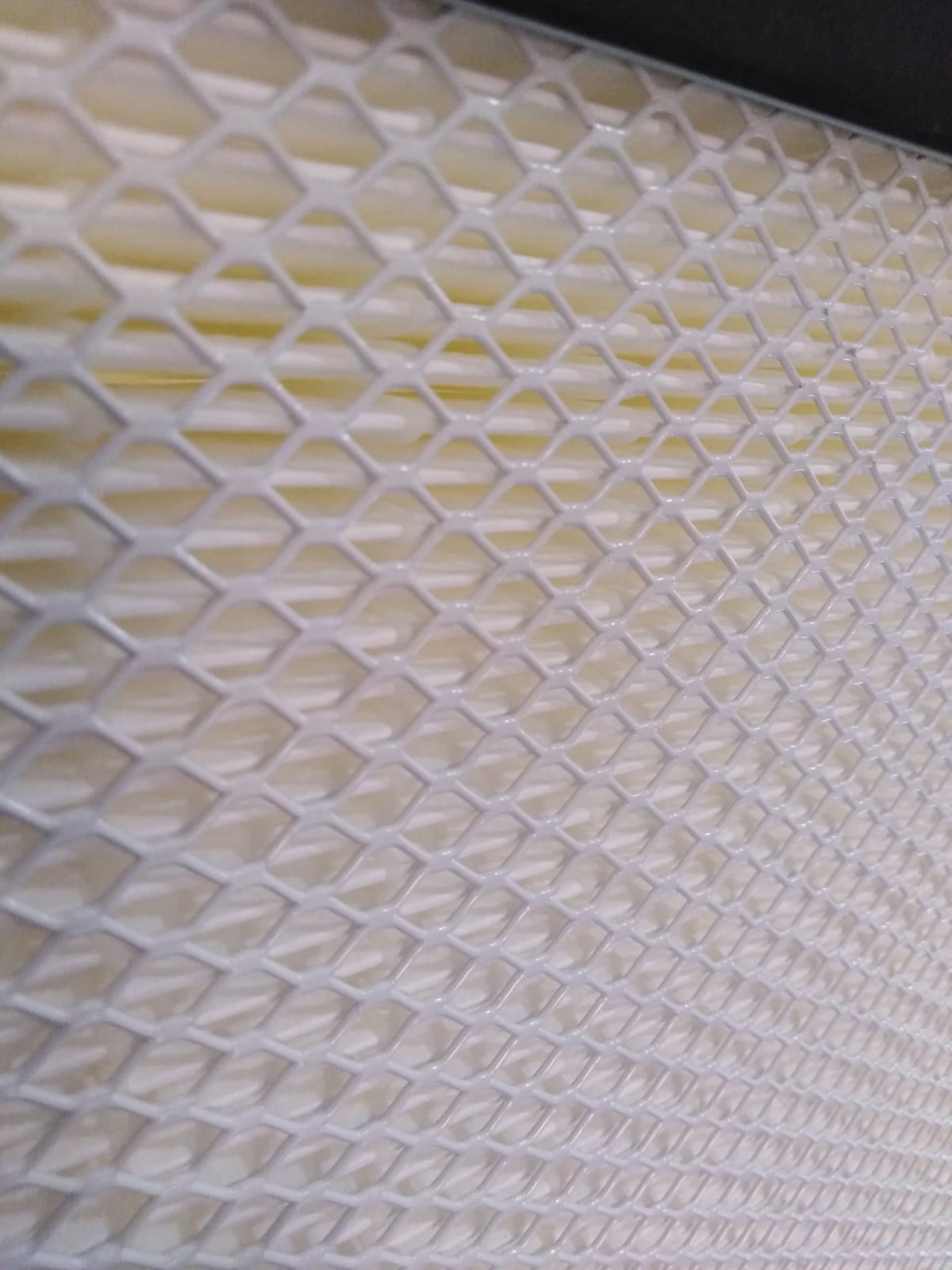
Heed Series C Cell Filter
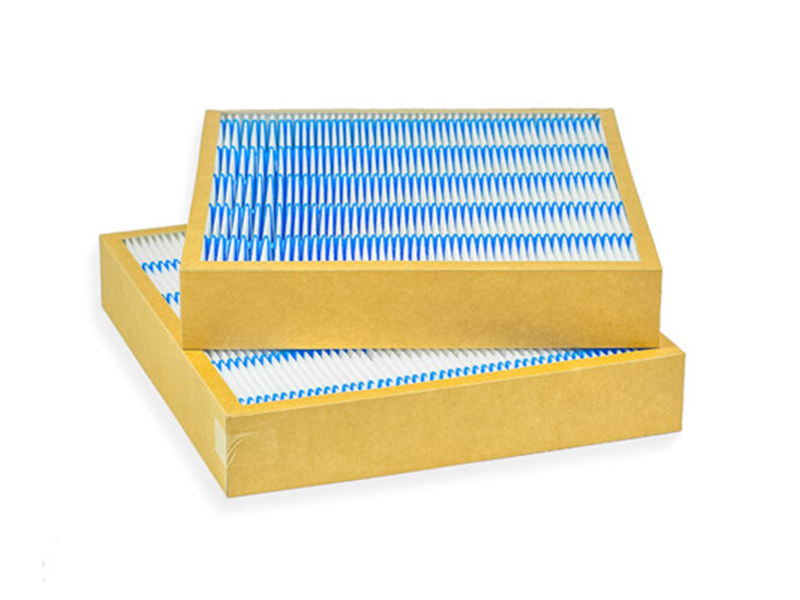
Heed Series C Cell Filter
High-Performance CRAC Unit Filters for Data Centres
In the mission-critical environment of a data centre, air filtration is the first line of defense against hardware failure and thermal inefficiency. The Heed Series C-Cell Secondary Panel Filter is specifically engineered to meet the rigorous demands of Computer Room Air Conditioning (CRAC) units and specialized HVAC systems across Europe.
Science Excellence: The C-Cell Advantage
The Heed Series C-Cell utilizes superfine fiberglass media paired with an advanced mini-pleat construction-controlled mist, moisture and fine particulate mater
______________________________________________________________________________________________________________________________________________
Science Excellence: The C-Cell Advantage
The Heed Series C-Cell utilizes superfine fiberglass media paired with an advanced mini-pleat construction. This design maximizes the effective filtration surface area within a compact frame, ensuring:
- High-Efficiency Filtration: Captures fine aerosols and sub-micron pollutants that threaten sensitive server components.
- Low Operational Resistance: The mini-pleated geometry ensures a lower pressure drop, directly contributing to reduced energy consumption in CRAC units.
- Durability: A rigid panel structure designed to withstand high-velocity airflow in 24/7 data centre operations.
European Standards & Compliance
Our filters are fully compliant with the latest European and International standards, providing peace of mind for facility managers and sustainability officers:
ISO 16890:2016 Certified: Achieves a classification of ePM1 80%, the gold standard for removing the finest, most harmful particulate matter.Eurovent Certified Performance: Engineered to meet the strict IAQ (Indoor Air Quality) requirements of European data centres, pharmaceutical labs, and microelectronic facilities
Why Choose Heed Series C-Cell for your HVAC System?
- Optimized PUE: By reducing initial pressure loss, our filters help data centres maintain a lower Power Usage Effectiveness (PUE) rating.
- Superior Media Quality: The use of superfine fiberglass ensures that efficiency remains stable throughout the filter’s life cycle.
- Compact Design: The “C-Cell” panel format allows for easy retrofitting into existing stand-alone air conditioners and large-scale AHU (Air Handling Unit) frames.
Protect your hardware. Optimize your energy. Trust the Heed Series. > Upgrade to ePM1 80% filtration today to ensure your critical environment meets the highest European standards.
Our Key Features
- Antibacterial treated
- Ultra – compact High filtration and fine particles performance
- High dust accumulation capacity
- Rigid construction
- Fully interchange with existing filter
- 10 time larger than normal G4\ coarse filter
- Reduced operation cost
- Anti-corrosive and incinerable
Application
- Air port
- Metro station
- Hospital
- School
- Data center
Construction
- Filter media: Micro fibre glass or Synthetic fine media
- Pleat technology: Mini Pleat
- Separator: Thermoplastic
- Thickens: 22,45,48, and 96mm
- Frame: cardboard/GI/Plastic
- Average Efficiency: ISO16890 ePm10 60%,ePM1 50%, ePM1 65%, and ePM1 80%
- Recommended final pressure drop:450pa
- Temperature: 80 0 C
______________________________________________________________________________________________________________________________________________
Versatile Protection for Critical Infrastructure
While optimized as a secondary panel filter for CRAC units, the Heed Series C-Cell is the preferred choice for high-purity air across multiple sectors:
| Application | Key Benefit |
|---|---|
| Data Centres | Prevents “zinc whiskers” and dust buildup on PCBs, ensuring maximum uptime. |
| Pharmaceuticals | Maintains sterile air cycles for sensitive chemical and biological processes. |
| Microelectronics | Protects cleanrooms and optics from sub-micron particulate interference. |
| Infrastructure | High-performance filtration for Metro Stations and Airports where air volume is high. |
| Food & Veterinary | Ensures a contaminant-free environment for production and animal health. |
______________________________________________________________________________________________________________________________________________
Heed Series C-Cell CRAC Unit Filters – FAQ
1. What is a CRAC unit filter, and why is it critical for data centers?
A Computer Room Air Conditioner (CRAC) unit filter is a high-efficiency secondary panel filter designed to protect sensitive IT equipment. In a data center, even microscopic dust can cause “zinc whiskers,” lead to component corrosion, or block cooling vents, causing servers to overheat. Our Heed Series C-Cell ensures a clean, stable environment to maximize uptime.
2. What does the “ePM1 80%” classification mean?
Under the ISO 16890:2016 European standard, ePM1 80% means the filter captures 80% of particles sized 1 micron or smaller (including combustion smoke, bacteria, and fine viruses). This is the gold standard for data centers, as these tiny particles are the ones most likely to penetrate deep into server racks.
3. Why use superfine fiberglass media instead of synthetic materials?
The superfine fiberglass used in our C-Cell series offers two major advantages for industrial use:
- Stable Efficiency: Unlike synthetic filters that may rely on an electrostatic charge (which fades over time), fiberglass provides consistent mechanical filtration.
- Thermal & Moisture Resistance: It maintains its shape and performance in the high-airflow and varying temperature conditions typical of CRAC and CRAH units.
4. How does the “mini-pleat” construction help my facility?
The mini-pleat design packs a much larger surface area into a slim, compact panel. For a data center, this means:
Lower Initial Pressure Drop: The air flows more easily, reducing the energy needed by the CRAC fans.
Lower PUE: Reducing fan energy consumption directly improves your facility’s Power Usage Effectiveness (PUE)rating.
5. How often should I replace my CRAC unit filters?
For mission-critical data centers, we recommend monitoring the pressure drop across the filter. Generally:
- Standard Environments: Every 4 to 6 months.
- High-Traffic or Industrial Zones: Every 3 months.
Best Practice: Replace the filter when the pressure drop reaches the manufacturer’s recommended final resistance to prevent “bypass” and excessive energy waste.
6. Is the Heed Series C-Cell compatible with my existing AHU/HVAC?
Yes. While optimized for CRAC units, the C-Cell’s rigid panel design is a standard fit for most Air Handling Units (AHUs), stand-alone air conditioners, and ventilation systems used in pharmaceuticals, laboratories, and airports.
7. Does this filter protect against “technical gases”?
The C-Cell is primarily a particulate filter. However, because it captures 80% of fine aerosols (ePM1), it significantly reduces the liquid-phase carriers of many corrosive elements. For full gaseous/molecular protection, we recommend pairing these with our molecular carbon stages.
8. Are these filters compliant with European safety and environmental standards?
Absolutely. The Heed Series is manufactured to meet ISO 16890 and European HVAC regulations, ensuring they are safe for use in highly regulated sectors like Food, Veterinary, and Pharm
