 Skip to content
Purewound Glass Fiber String Wound Filter Cartridge

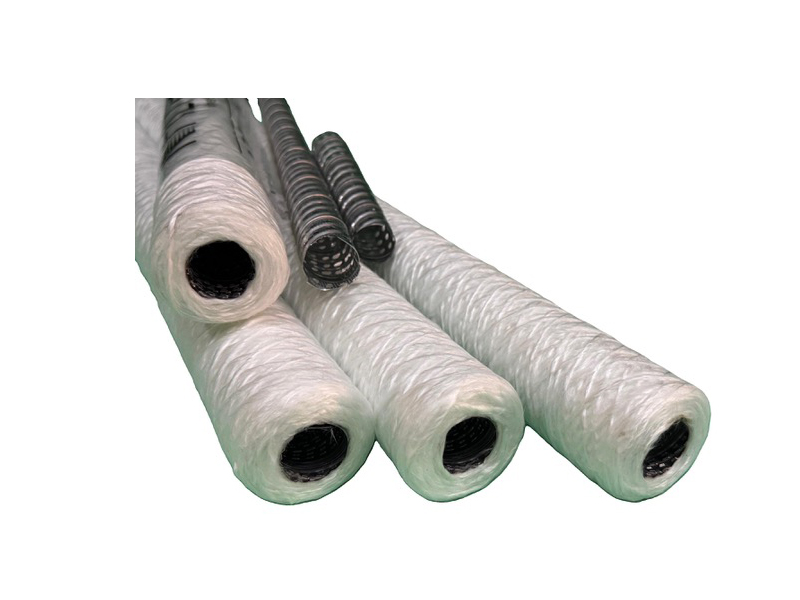
Purewound GF Series
High-Temperature Glass Fiber Depth Filter Cartridges
In the Petrochemical and Oil & Gas industries, filtration failure isn’t just an inconvenience—it’s a safety risk. The K Filter Purewound GF (Glass Fiber) Series is engineered for the “impossible” applications. Designed to survive where polymers fail, these corrosion-resistant depth filters provide absolute integrity in extreme thermal environments and aggressive chemical streams.
Engineered for the Extremes: 401°C Thermal Performance
Our Purewound GF cartridges are the definitive choice for high-heat industrial processes.
______________________________________________________________________________________________________________________________________________
Engineered for the Extremes: 401°C Thermal Performance
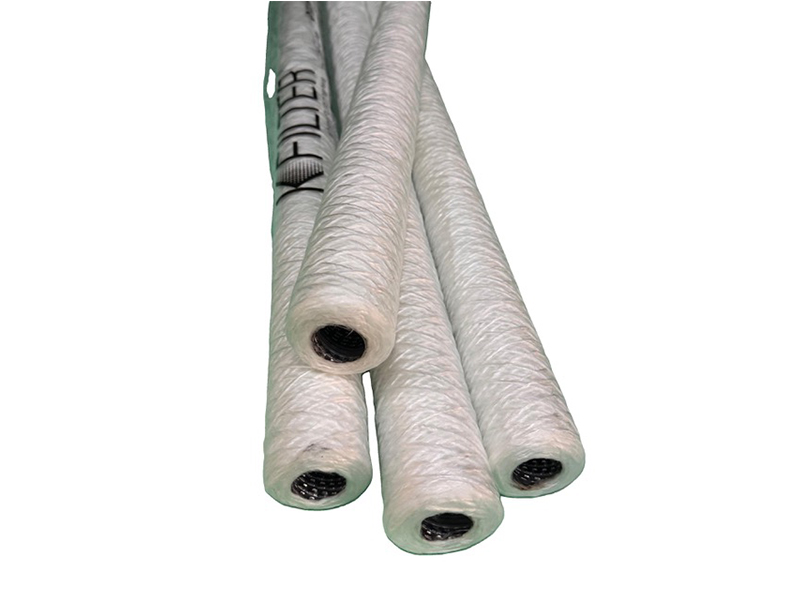
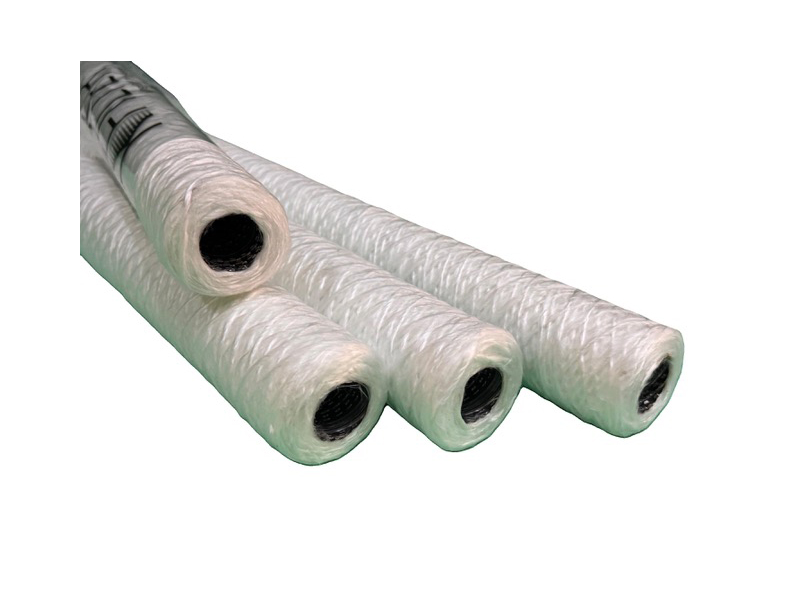
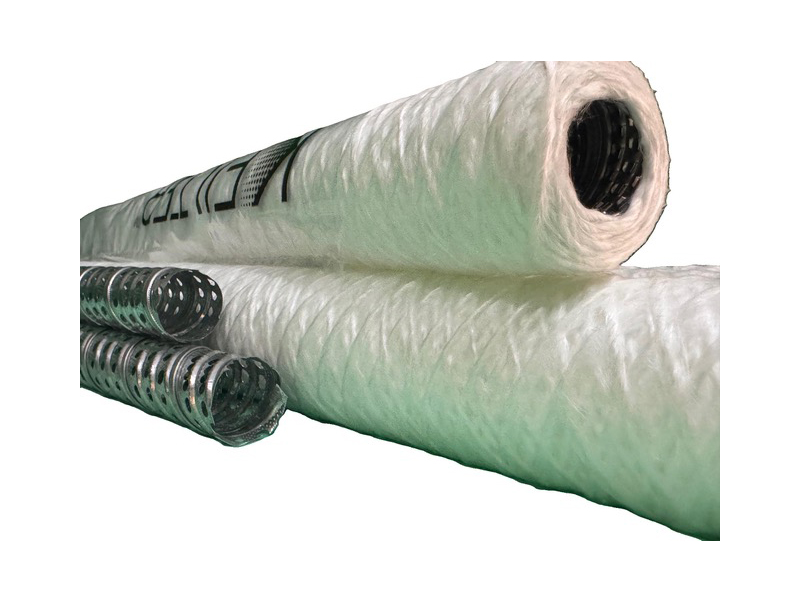
Our Purewound GF cartridges are the definitive choice for high-heat industrial processes. By utilizing high-purity glass fiber wound onto a reinforced stainless steel spiral core, we deliver a filter that defies standard limitations:
Unmatched Thermal Range: Withstands continuous operating temperatures up to 401°C (754°F), making them the industry standard for hot oil and catalyst recovery.
Aggressive Chemical Resistance: Naturally inert and corrosion-resistant, these cartridges are immune to the “chemical rot” caused by strong acids, solvents, and hydrocarbons.
High-Viscosity Mastery: The robust, non-compressible depth matrix ensures reliable flow and efficient particle entrapment even when filtering thick, heavy crudes or resins.
True Depth Filtration: A graded-density winding pattern that captures sediments and impurities throughout the entire cartridge body for an extended service life.
Technical Specifications: The “Heavy-Duty” Build
To meet US and European safety standards, our GF series is built with a “Zero-Failure” philosophy:
Core Metallurgy: Available in 304 or 316L Stainless Steel spiral cores to prevent collapse under high differential pressure.
Fixed Pore Structure: Unlike felt, the glass fiber winding is mechanically locked, ensuring Zero Fiber Migration into your clean process stream.Universal Fit: Available in standard 10″ to 40″ lengths with various end-cap configurations (DOE, Code 7, etc.) to fit Eaton, Pall, and Cuno housings
Critical Applications in Oil, Gas & Petrochemicals
| Sector | Application | Why Purewound GF? |
|---|---|---|
| Refineries (Middle East/USA) | Hot Oil & Catalyst Recovery. | Survives 401°C spikes and prevents downstream equipment abrasion. |
| Petrochemical (Europe) | Aggressive Acid & Solvent Polishing. | Glass fiber is chemically inert to nearly all industrial reagents (pH 0-14). |
| Upstream Oil & Gas | Produced Water & Steam Injection. | Resistant to high-pressure steam and geothermal fluids. |
| Industrial Manufacturing | Synthetic Lubricants & Heat Transfer Fluids. | Maintains structural integrity under high-viscosity “drag” forces. |
______________________________________________________________________________________________________________________________________________
Our Key Features
- Designed low pressure drops
- High flow rate
- 100% free from resin binders, lubricants, antistatic and release agents
- Low media migration
- Filter media Yarn compliance with FDA
- Broad chemical and temperature capability
- Long life span
- Fit all type industrial vessel
Application
- Electroplating
- Oleochemical
- Petroleum oil
- Dilute acid
- Oxalic acid
- Phosphoric acids
- Oxidizing agents
- Sodium Cyanide
- Power Plant
- Cooking oil
- Organic solvent
Technical Data
- Filter Inner core: Stainless steel 304,SS316,SS316L, Tinned Steel,
- Filter media yarn: Pure fiberglass yarn
- Grade: Non food grade
- Max. Temperatuer:900c /700c
- Micron rating: 0.5 to 250 microns
- End cap option: Double end open, 222 with fin,222 with flat, 226 with fin,226 with fin ( code 7) Length: 10”,20”,30”,40”50”,60” and 70”
______________________________________________________________________________________________________________________________________________
FAQ: Purewound GF (Glass Fiber) Filter Cartridges
1. Why choose Glass Fiber over Cotton or Polypropylene?
Polypropylene melts at 80°C and Cotton chars above 120°C. If your process temperature exceeds 150°C, Glass Fiber (GF) is the mandatory choice. Furthermore, GF is significantly more resistant to strong oxidizing agents and acids that would dissolve natural fibers.
2. Can the GF Series handle 401°C continuously?
Yes. When paired with our specialized stainless steel spiral core, the Purewound GF series is designed for continuous duty at 401°C. It is specifically engineered for thermal oil loops and high-heat chemical synthesis where other filters would suffer immediate thermal degradation.
3. Does the glass fiber “shed” into the fluid?
No. K Filter uses a proprietary high-tension winding process that “locks” the glass fibers in place. This results in extremely low media migration, ensuring that your high-purity petrochemical or solvent stream remains free of filter debris.
4. Is it suitable for highly viscous fluids?
Absolutely. One of the greatest strengths of the GF series is its structural rigidity. While standard filters might compress or “blind” when hit with thick, viscous fluids, the GF matrix maintains its porosity, allowing for efficient depth filtration and a lower pressure drop.
5. Is it compatible with “Sour” (High-Sulfur) gas or oil?
Yes. The glass fiber and stainless steel construction are highly resistant to H2S and other corrosive sulfur compounds found in Middle Eastern “Sour” crude and gas processing.
______________________________________________________________________________________________________________________________________________
Media Selection Guide” specifically comparing Glass Fiber vs. PTFE for high-heat chemical applications?
In the high-stakes sectors of Petrochemicals, Oil & Gas, and specialized Chemical Synthesis, choosing between Glass Fiber (GF) and PTFE (Teflon®) is the difference between an optimized process and a catastrophic filter failure.
While both materials are “premium,” they solve two very different sets of engineering challenges. This guide is designed to help procurement and engineering teams in the USA, Europe, and Middle East select the correct media based on thermal and chemical thresholds.
Technical Comparison: Glass Fiber (GF) vs. PTFE
| Feature | Purewound GF (Glass Fiber) | K Filter PTFE (Teflon®) |
|---|---|---|
| Max Continuous Temp | Up to 401°C (754°F) | Up to 260°C (500°F) |
| Chemical Range | Excellent (pH 0-11) | Superior (pH 0-14) |
| Hydrofluoric Acid (HF) | ❌ Do Not Use (Dissolves Glass) | ✅ Fully Resistant |
| Strong Alkalis | ⚠️ Limited (Sensitive to High pH) | ✅ Fully Resistant |
| Mechanical Rigidity | Very High (Non-compressible) | Moderate (Can “creep” under load) |
| Filtration Type | True Depth (Spiral Wound) | Membrane or Felt (Surface/Depth) |
| Cost Profile | Economical for Ultra-High Heat | Premium High-Performance |
1. When to Choose Glass Fiber (GF)
The “Extreme Heat” Specialist
Ultra-High Temperature: When your process exceeds 260°C, PTFE begins to soften and lose structural integrity. Glass Fiber is the only viable choice for temperatures reaching up to 401°C
Viscous Thermal Oils: GF is exceptionally rigid. In high-viscosity “Hot Oil” loops, the fibers will not compress, maintaining a steady flow rate even as differential pressure increases.
Dry Gas / Steam Filtration: Ideal for removing particulates from superheated steam or dry gas streams where chemical corrosion is moderate but heat is extreme.
Viscous Thermal Oils: GF is exceptionally rigid. In high-viscosity “Hot Oil” loops, the fibers will not compress, maintaining a steady flow rate even as differential pressure increases.
Dry Gas / Steam Filtration: Ideal for removing particulates from superheated steam or dry gas streams where chemical corrosion is moderate but heat is extreme.
2. When to Choose PTFE (Polytetrafluoroethylene)
The “Chemical Fortress”
Aggressive Acids/Bases: If your fluid contains Hydrofluoric Acid (HF) or highly concentrated Caustic Soda (Alkali), Glass Fiber will disintegrate. PTFE is chemically inert to almost every known industrial chemical.
Universal Compatibility: In “Multi-Purpose” plants (common in Europe and the USA) where different chemicals are processed through the same line, PTFE is the “Safe Bet” because it reacts with nothing.
Ultra-Low Surface Tension: PTFE is naturally non-stick. If your contaminant is “sticky” or “waxy,” PTFE allows for better cake release and prevents the filter from “blinding” (plugging) prematurely
______________________________________________________________________________________________________________________________________________
Critical “Engineering Red Flags”
⚠️ Warning for Glass Fiber: Never use GF in processes involving Hydrofluoric Acid or strong phosphoric acids. These chemicals “eat” the silica in the glass, leading to total filter collapse.
⚠️ Warning for PTFE: While PTFE is chemically invincible, it is a “soft” polymer. In high-pressure, high-viscosity applications near its temperature limit (260°C), the media can experience “cold flow” or mechanical deformation
Application Selection Matrix
| Application | Recommended Media | Why? |
|---|---|---|
| Hot Catalyst Recovery | Glass Fiber (GF) | Temperature often exceeds 300°C. |
| Concentrated Sulfuric Acid | PTFE | GF may degrade; PTFE is immune. |
| Hot Bitumen / Asphalt | Glass Fiber (GF) | High viscosity and high heat require GF rigidity. |
| Pharmaceutical Solvents | PTFE | Ensures zero extractables and 100% purity. |
| Middle East “Sour” Crude | Glass Fiber (GF) | Excellent resistance to H2S and high thermal spikes. |
______________________________________________________________________________________________________________________________________________
