Skip to content
When designing or maintaining an industrial piping system, choosing the right filtration equipment is essential for protecting downstream machinery. Two of the most common options are temporary conical strainers and permanent basket strainers.
While both components serve the same core purpose—trapping solid particles to protect pumps, valves, and meters—they are engineered for entirely different phases of a pipeline’s lifecycle. Understanding how they compare will help you select the most cost-effective and operationally sound solution for your facility.

Detailed Comparison Breakdown
Evaluating how each strainer performs across key operational criteria reveals distinct design trade-offs.
1. Installation Requirements and Footprint
- Conical Strainer : These are highly compact and require zero additional space. They fit directly between two standard pipe flanges, making them an excellent choice for systems with strict spatial constraints or temporary piping layouts.
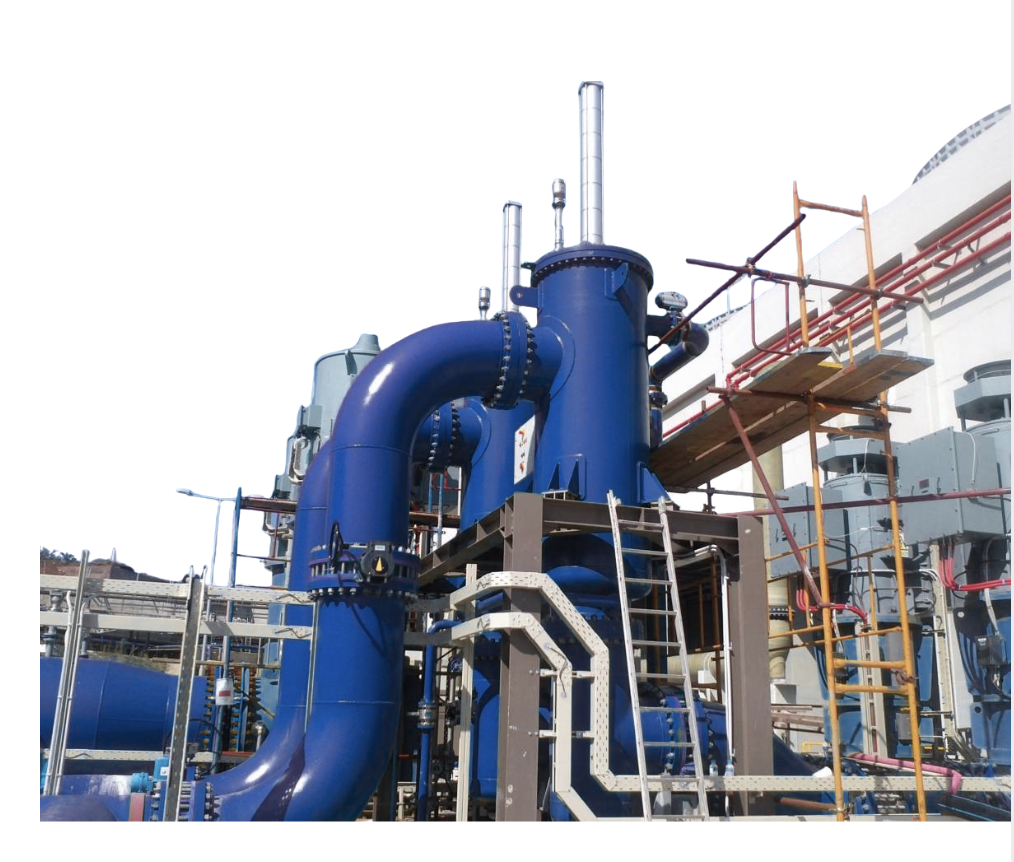
- Basket StBasket Strainers | Pipeline Filtrationrainers: These require a significant physical footprint. Because the fluid must divert into a larger external chamber, you must design the piping layout with enough physical space to accommodate the heavy outer pressure vessel and its top-loading cover.
2. Debris Holding Capacity and Pressure Drop
- Conical Strainers: Due to their narrow, tapered geometry, cones have a limited volume for trapping debris. If a pipeline contains a high concentration of continuous solids, a cone can fill up relatively quickly, leading to a rapid spike in differential pressure.
- Basket Strainers: The wide, cylindrical design of a basket provides a massive surface area and a high dirt-holding capacity. It can collect a substantial volume of foreign particles before causing a noticeable drop in line pressure, making it ideal for high-flow, high-solids applications.
3. Maintenance, Downtime, and Cleaning
- Conical Strainers: Cleaning a cone requires a complete system shutdown. Technicians must unbolt the main pipeline flanges, physically spread the pipes apart, remove the strainer, clean it, and replace the flange gaskets before reassembly. This process is labor-intensive and causes extended operational downtime.
- Basket Strainers: Maintenance is straightforward and fast. The outer housing remains connected to the pipes while a technician simply removes a top cover—often secured by quick-opening swing bolts—and lifts the basket out vertically. The main pipeline structure is never disturbed.
Direct Comparison Summary
| Operational Feature | Temporary Conical Strainer | Permanent Basket Strainer |
|---|---|---|
| Primary Intent | Short-term startup, line flushing, commissioning | Continuous, long-term, permanent protection |
| Housing Design | None (installs inline between pipe flanges) | Large, dedicated cast or fabricated pressure vessel |
| Holding Capacity | Low to moderate | High |
| Cleaning Effort | High (requires breaking pipeline joints) | Low (requires opening a top service cover) |
| Initial Cost | Very low | Moderate to high |
Which One Does Your System Need?
The choice between a cone and a basket comes down to project timing and fluid conditions.
Choose a Conical Strainer If:
- You are launching a brand-new pipeline and need to flush out construction debris like welding slag, sand, and scale before initial startup.
- Your process fluid is naturally pristine, and you only need a low-cost backup safety filter to catch rare, accidental large solids.
- You are working within an extremely tight physical layout that cannot accommodate large external filter vessels.
Choose a Basket Strainer If:
- Your pipeline operates continuously, and regular operational shutdowns for filter maintenance are too expensive.
- The fluid carries a steady, ongoing load of organic matter, scale, or particulates that must be strained out daily or weekly.
- You need precision, multi-layer fine mesh filtration to protect high-end downstream equipment over months and years of constant operation.

Frequently Asked Questions
1. Can a temporary conical strainer be left in a pipeline permanently?
It is not recommended. Conical strainers are built for short-term startup and flushing. Because they sit directly inside the main flow path, they create higher structural resistance. Over time, continuous exposure to high fluid velocities can cause the mesh to fatigue, tear, or collapse, sending metallic debris directly into downstream equipment.
2. What is the difference between a simplex and a duplex basket strainer?
A simplex strainer has a single filter chamber. When the basket fills up, you must shut down the pipeline flow to clean it. A duplex strainer features two parallel chambers connected by a diversion valve. When one basket is full, you switch the valve to route the fluid through the second chamber, allowing you to clean the first basket without stopping production.
3. How do I determine the correct mesh size for my strainer basket?
Your choice should be based on the smallest downstream component you need to protect. For example, if a spray nozzle has a 2 mm opening, your strainer mesh must catch particles smaller than 2 mm. However, avoid choosing a mesh that is excessively fine, as it will clog rapidly and cause a heavy drop in system pressure.
4. What is an open area ratio, and why does it matter for cone strainers?
The open area ratio compares the total surface area of all the holes in the strainer mesh to the internal cross-sectional area of the pipe. A 100% ratio means the open area equals the pipe area. For temporary strainers, ratios of 150% to 300% are preferred because they provide extra surface area, preventing the strainer from instantly choking the pipeline flow as it catches construction debris.
5. Can I use a basket strainer for gas or steam pipelines?
Basket strainers are primarily designed for liquid systems. For gas, air, or steam lines, Y-strainers are usually the standard choice because they handle higher pressures better and accumulate less condensate. However, heavily fabricated basket strainers can be used in low-pressure gas applications if the housing features proper liquid drainage ports.