 Skip to content
Lint Filtration System
High-Performance Lint Filter System
Wood Dust Filtration for Industry Leaders at K Filter
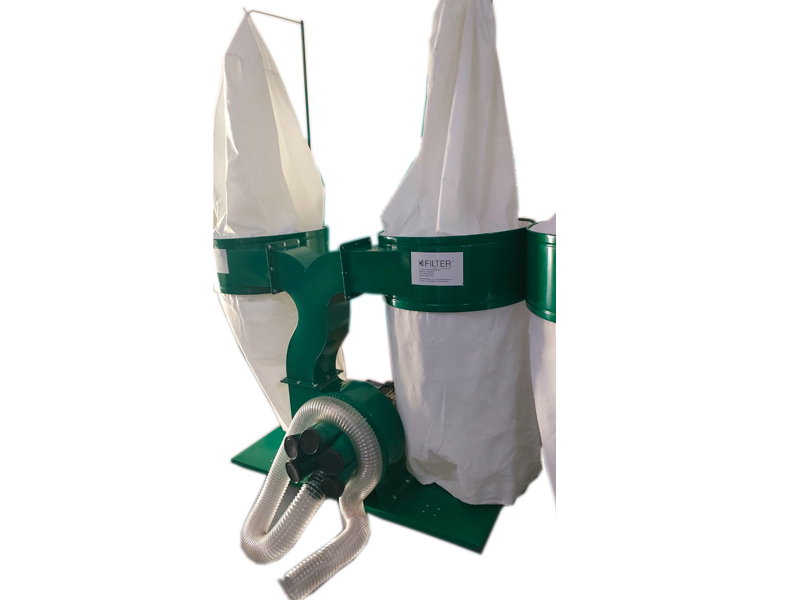
We understand that air quality and equipment efficiency are the backbone of your operations. Whether you are managing a high-volume hotel laundry or a precision wood working shop, our tailor-made portable extraction systems are engineered to capture debris at the source
Can K Filter systems handle both wood dust and laundry lint?
While the physics of suction are similar, the filter media differs. K Filter specializes in tailor-made solutions:
- For Woodworking: We utilize high-micron filters to capture fine sawdust that can cause respiratory issues.
- For Laundry: We use moisture-resistant, high-flow mesh and bags designed to handle the humid, heavy air exhausted by commercial dryers.
Why Choose K Filter?
Custom Engineering for Demanding Environments
Unlike “one-size-fits-all” retail vacuums, K Filter manufactures systems specifically for the high-duty cycles of professional environments.
Industrial Woodworking: Portable dust extraction that moves with your workflow, from the table saw to the sanding station
Hotels & Resorts: Keep your guest areas dust-free and your laundry rooms fire-safe.
Commercial Kitchens & Restaurants: Manage airborne particulates from specialized cooking or renovation woodcraft.
Our Key Features
- Concept design
- Minimum space to install
- Large filtration area
- Custom booter fan
- Collects 98% of lint from dryers
- Minimum maintenance & downtime
- Variable Frequency Fans optional
- Washable filter bags
- Multiply air went
- Compliance with safety standard
Laundry Lint Filtration (Septic & Greywater)
These systems are installed on the washing machine’s discharge hose to prevent synthetic fibers and lint from clogging pipes or entering septic drain fields.
1. Why do I need a separate Lint Filtration System if my dryer has one?
Dryers catch airborne lint, but washing machines discharge a massive amount of “wet” lint into your plumbing. If you are on a septic system, these non-biodegradable fibers (especially polyesters) can clog your soil’s absorption ability over time.
2. What is the difference between a mesh filter and a pressurized filter?
Mesh/Sock Filters: Simple, inexpensive nylon or metal mesh sleeves that zip-tie to the end of the hose. They catch large clumps but miss fine fibers.
Pressurized Canister Filters: (e.g., Filtrol 160) These are wall-mounted canisters that the water must pass through. They use much finer bags to catch microplastics and heavy lint.
3. How often do I need to clean it?
For a standard family of four, mesh socks should be checked weekly, while canister filters usually need a bag swap or cleaning every 10–15 loads.
Woodworking Dust Collection
Dust collection is about more than just a clean floor; it’s about lung health. Wood dust is a known carcinogen and a fire hazard.
1. What is the difference between a “Shop Vac” and a “Dust Collector”?
- Shop Vac: High suction (vacuum), low volume of air (CFM). Best for small hand tools like sanders.
- Dust Collector: Low suction, high volume of air. Best for large machines like table saws and planers that move a lot of chips.
2. What is a “Two-Stage” system?
A two-stage system uses a cyclone separator before the air hits the motor and filter.
Stage 1: Heavy chips and sawdust fall into a bin.
Stage 2: Only the finest dust reaches the filter. This prevents the filter from clogging and maintains suction power.
3. What does the “Micron Rating” on a filter mean?
The micron rating tells you how small a particle the filter can trap.
- 5 Microns: Stops visible sawdust (still bad for lungs).
- 1 Micron or HEPA: Essential for health. This traps the “invisible” dust that stays suspended in the air and enters your bloodstream via the lungs.
Comparison
| Feature | Laundry Filtration | Wood Dust Collection |
| Primary Goal | Protect plumbing/septic | Protect lungs/respiratory health |
| Main Material | Microfibers & hair | Sawdust & wood chips |
| Primary Risk | Pipe blockages | Respiratory disease & fire |
| Maintenance | Cleaning wet bags/mesh | Emptying bins & knocking filters |
