 Skip to content
Dust Collection Filters


High-Performance Industrial Dust Collection Filters
Advanced Pleated Cartridge Solutions for Air Pollution Control in EMEA & Asia
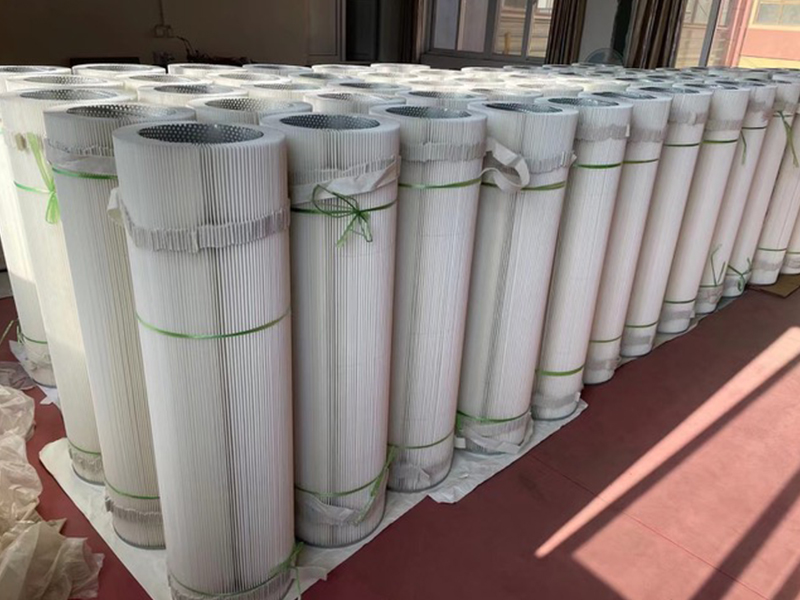
In the heart of modern manufacturing from the heavy industries of Africa and the Middle East to the high-tech factories of Europe controlling airborne pollutants is a legal and operational necessity. K Filter provides a modern, high-efficiency alternative to conventional bag filters with our Interchangeable Pleated Cartridge Filters.
Designed for dust extraction, fume extraction, and mist collection systems,
our cartridges are engineered to handle everything from standard dry particulates to hazardous, toxic, or potentially explosive (ATEX-compliant) combustion dust.
The Pleated Advantage: Outperforming Conventional Bags
Why are leading industries in the Middle East and Europe switching to K Filter pleated cartridges?
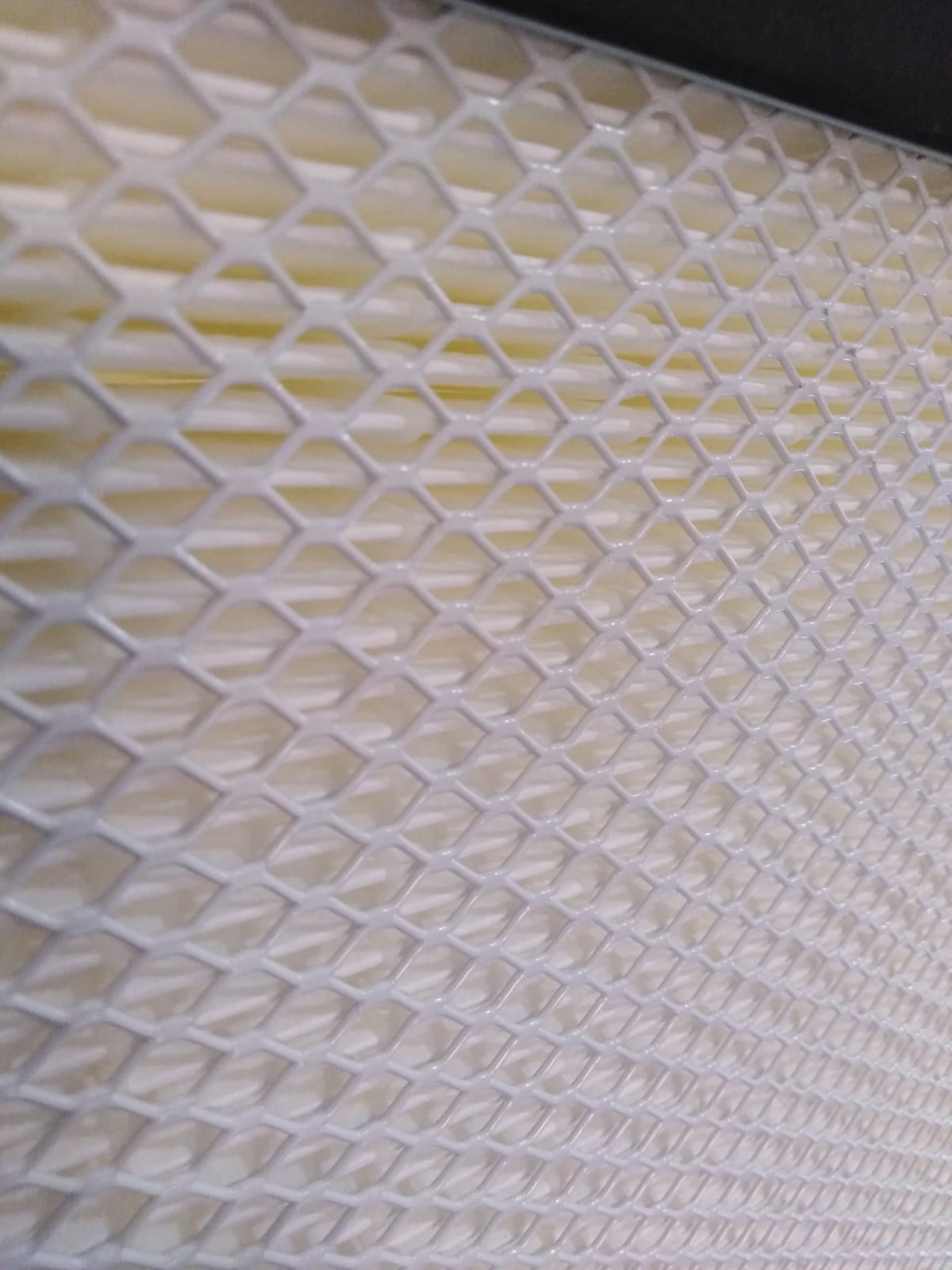
- Increased Surface Area: Our innovative pleated design provides up to 3–4 times the filtration surface area of a standard filter bag in the same footprint. This leads to lower air-to-cloth ratios and superior dust cake release.
- Universal Compatibility: We offer a broad range of interchangeable filters compatible with both popular and non-popular dust collection setups. Installation is fast and easy, minimizing downtime.
- Superior Filtration Performance: Whether dealing with dry dust, wet mist, or hazardous fumes, our media is engineered for high-efficiency capture, ensuring your facility meets strict local and international air pollution control requirements.
- Durability in Extreme Conditions: From the high-heat environments of the Middle East to the heavy moisture of tropical Asia and Africa, our dust collection filters or cartridges are built to outlast and outperform the competition.
__________________________________________________________________________________________________________________________________________
Applications Across Every Sector
Metalworking & Welding: Effective fume extraction for laser cutting, plasma cutting, and grinding.
Chemical & Pharmaceutical: Safe containment of toxic or hazardous powders and fine particulates.
Cement & Mining: Heavy-duty dust collection filters for high-volume dry dust environments in Africa and the Middle East.
Food & Grain: Solutions for potentially explosive organic dust, ensuring a safer and more eco-friendly working environment.
Our Key Features
- Offering up to 50% footprint saving design pleated filters
- Array of filter media materials and finishes to meet your needs
- Wide range of choose filter media
- Cellulose/synthetic 80/20 blend with flame retardant,
- 100% polyester,
- PET + PTFE membrane,
- Nano fiber(90% on 0.3micron)
- laminated Eco-web with corrugated
- Anti-static with hydrophobic
- Aluminium coated
- ePTFE
- Oleophobic- & Hydrophobic
Range of filter
- DIN Cylindrical cartridge filter
- Oval or conical cartridge filter
- Square end cap cartridge filter
- LUG cartridge filter
- Thread cartridge filter
- Flat cell cartridge filter
Industrial Filter Media: Selection Guide for dust collection filters
The efficiency of a dust extraction, fume, or mist system depends entirely on the media substrate and its treatments.
Common Media Types
| Filter Media Material | Max Temp | Key Characteristics | Best For |
| Polyester (Spunbond) | 1350C | High strength, excellent abrasion resistance. | General dust, woodworking, cement. |
| Polypropylene | 900C | Superior chemical resistance (acids/alkalis). | Chemical plants, moist environments. |
| Nomex® (Aramid) | 2000C | Excellent heat resistance; flame retardant. | Asphalt plants, metal smelting, foundries |
| PPS (Ryton) | 1900C | High resistance to acids and hydrolysis | Coal-fired boilers, incinerators. |
| PTFE (Teflon) | 2600C | Highest chemical/temp resistance; “non-stick.” | Sticky dust, high-end pharma, chemicals |
______________________________________________________________________________________________________________________________________________
Specialized Coatings & Treatments Filter Media
- Nanofiber Technology: A layer of sub-micron fibers that traps dust on the surface rather than deep in the media. This is the gold standard for Fume Extraction (welding/laser cutting)
- Oleophobic/Hydrophobic: Repels oil and water; essential for Mist Collection and humid environments
- Antistatic (Epitropic): Incorporates conductive fibers to prevent static discharge—critical for ATEX/combustible dust compliance in Europe.
1. Pleated Filter Bags: The “Upgrade” Solution
The dust collection filters or pleated filter bags are designed to replace traditional felt bags and cages, offering a hybrid between a bag and a cartridge.
Why They Are Trending in Middle East & Europe
Increased Surface Area: Pleated designs offer 2x to 3x more filtration area in the same footprint. In Europe, where factory space is expensive, this allows for smaller, high-capacity units.
- Reduced Pressure Drop: More surface area means lower air-to-cloth ratios. This results in significant energy savings, a major driver for EU manufacturing under green energy mandates.
- Abrasion Resistance: In the Middle East, sand and abrasive industrial dust can shred bottom-entry bags. Pleated bags are shorter, creating a “dropout zone” at the bottom of the collector that protects the media from direct impact.
- Simplified Maintenance: No cages are required. One-piece pleated bags can cut change-out times by 50-70%.
2. Application Spotlight
Fume Extraction
- The Challenge: Fumes (welding, plasma) are sub-micron and “clingy.”
- The Challenge: Fumes (welding, plasma) are sub-micron and “clingy.”The Solution: Use Nanofiber-coated pleated filters. They offer MERV 15+ efficiency, capturing 99.9% of fine particulate before it enters the worker’s breathing zone.
Mist Collection
- The Challenge: Coolant and oil mists are liquid aerosols that “blind” standard filters.
- The Solution: Multi-stage separation using glass-fiber or synthetic coalescing media. Self-draining pleated elements are preferred to allow oil to return to the machine.
Q1: Can I replace my standard bags with pleated filter bags without modifying the system?
Yes. Most pleated bags are designed to fit existing “top-load” or “bottom-load” tubesheets. By removing the old bag and cage, the pleated bag drops directly into the same hole.
Q2: How do pleated filters improve energy efficiency?
Because they have more surface area, the air passes through the media at a lower velocity. This reduces the Differential Pressure (ΔP), meaning the system fan doesn’t have to work as hard, lowering your KWh consumption.
Q3: What is the average lifespan of a filter in high-heat Middle Eastern climates?
While standard polyester might degrade, using Nomex® or PTFE media can extend life to 2+ years even in 200°C environments. Proper pulse-jet cleaning settings are vital to prevent “heat-setting” dust into the pores.
Q4: Are these filters compliant with European ISO and EN standards?
Top-tier filters are tested according to EN 779 or the newer ISO 16890 standards. For hazardous dust, ensure your filters meet HEPA (H13/H14) or ePM1 ratings to stay compliant with Euro-regulations.
Q5: How do I know when to change my dust collection filters?
The most reliable indicator is the differential pressure gauge. If your ΔP stays above 5-6 inches of water column (1250-1500 Pa) even after a cleaning cycle, the media is “blinded” and requires replacement.
Q6. Are your filters suitable for “Explosive Dust” (ATEX zones)?
A: Absolutely. We offer Anti-static (Aluminized or Carbon-impregnated) media specifically designed for potentially explosive dust environments. This prevents static buildup and ensures compliance with safety regulations in Europe and the Middle East.
Q7. How do K Filter cartridges improve “Air Pollution Control”?
A: By using high-efficiency ePTFE membranes or Nanofiber coatings, our filters capture sub-micron particles that standard bags often miss. This results in cleaner exhaust air and a safer environment for your workforce.
Q8. Do these filters work for “Wet Dust” or “Mist Collection”?
A: Yes. We manufacture specialized oleophobic and hydrophobic (oil and water repellent) media that prevents the filter from “blinding” when exposed to moisture or oil mist, making them ideal for CNC machining and humid African climates.
Q9. How often should I replace my dust collection cartridges?
A: While life span depends on dust loading, our high-performance design significantly extends service life. Because the pleats promote better pulse-cleaning and dust cake release, you will experience a lower stable pressure drop for a longer period
______________________________________________________________________________________________________________________________________________
Industrial Dust Collection: Frequently Asked Questions (FAQ)
1. General System Performance
Q: How do I know if my dust collector is underperforming?
A: Look for three primary “red flags”:
Visible emissions from the exhaust stack (indicates a leak or bypass).
High Differential Pressure (ΔP): If your gauge consistently reads above 150 mmwg (6 inches W.C.), your filters are likely blinded.
Reduced suction at the pickup hoods, allowing dust to settle on factory floors.
Q: What is the ideal Air-to-Cloth (A/C) ratio?
A: This depends on the dust type. For fine fumes, a ratio of 1.5:1 to 2.0:1 is common. For heavy sawdust or cement, it can go up to 4:1. Using Pleated Filter Bags allows you to lower this ratio, extending filter life and reducing energy consumption.
2. Filter Media & Pleated Bags
Q: Why should I switch from standard felt bags to Pleated Filter Bags?
A: Pleated bags provide 2x to 3x the filtration surface area in the same footprint. This results in
Lower Pressure Drop: Less strain on the fan motor (energy savings)
Higher Throughput: You can pull more air through an existing undersized collector.
Easier Installation: They replace both the bag and the heavy metal cage, cutting maintenance time by 60%
Q: Which media is best for the high-humidity or oily environments often found in Europe?
A: Oleophobic (Oil-repellent) and Hydrophobic (Water-repellent) treated polyester is essential. It prevents “mud-caking” on the filter surface, which is the leading cause of filter failure in mist collection or humid processing.
Q: How does Nanofiber media help with welding fumes?
A: Welding fumes are sub-micron particles. Standard media allows these to “deep-load” into the fabric. Nanofiber creates a microscopic “cobweb” on the surface that traps particles before they enter the pores, allowing them to be pulsed off easily during the cleaning cycle.
Technical Comparison: Pleated Cartridges vs. Standard Bags
| Feature | K Filter Pleated Cartridges | Conventional Filter Bags |
|---|---|---|
| Filtration Area | 3x – 4x Higher | Limited by Bag Length |
| Energy Efficiency | High (Lower Pressure Drop) | Moderate to Low |
| Installation | Quick “Top or Bottom” Load | Labor-Intensive Tie-ons |
| Dust Release | Excellent (Rigid Pleats) | Moderate (Flexing fabric) |
| Environmental Impact | Eco-Friendly / Washable Options | High Waste / Single Use |
______________________________________________________________________________________________________________________________________________
3. Maintenance & Climate Challenges
Q: How does the Middle Eastern climate affect filter life? A: High ambient temperatures and abrasive sand dust are the main challenges.
Heat: Standard bags may get brittle; Nomex® or PPS media is recommended for high-temp zones.
Abrasion: Use shorter pleated bags to create a larger “dropout” area at the bottom of the hopper, preventing sand-blasting of the filter media.
Q: What is the “Pulse-Jet” cleaning pressure setting?
A: Most systems operate best between 5.5 and 6.2 bar (80-90 PSI). If the pressure is too low, the dust isn’t dislodged; if it is too high, you can cause mechanical damage to the filter fibers (mechanical blinding).
4. Compliance & Safety
Q: What are the European standards for dust emissions?
A: European regulations (such as EN 12779) often require emission levels below 5 mg/m³ or even 1 mg/m³ for hazardous substances. To meet these, you typically need PTFE-membrane or HEPA-grade pleated filters.
Q: Do I need Antistatic filters?
A: If you are handling combustible dust (sugar, flour, wood, plastic, certain metals), yes. In Europe, ATEX directives require conductive (Antistatic) media to prevent static spark discharges that could trigger a dust explosion.
Q: How often should I perform a “Leak Test”?
A: We recommend an annual leak test using fluorescent leak detection powder. This identifies pinhole leaks in the tubesheet or seals that are invisible to the naked eye.
