 Skip to content
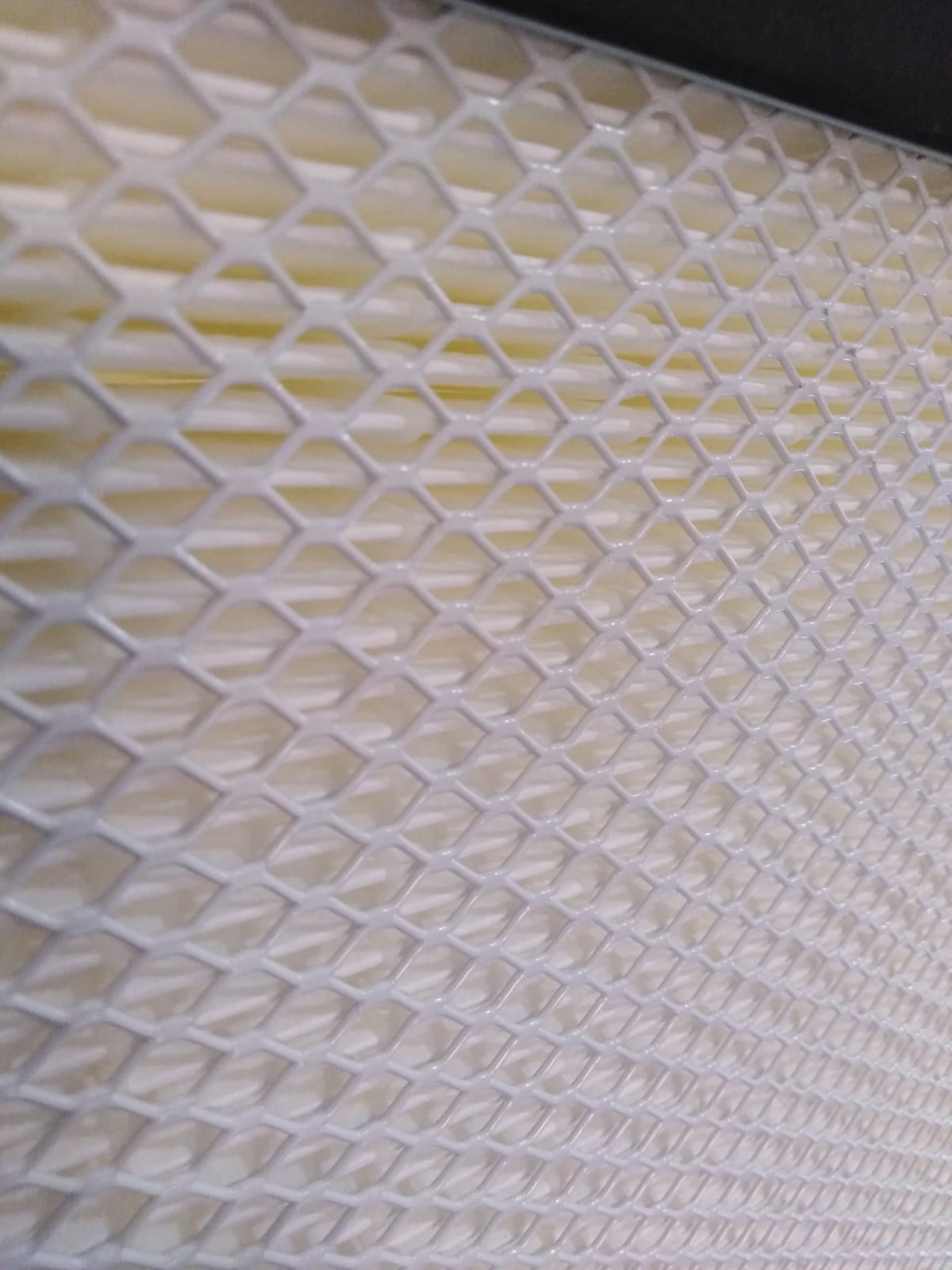
Refinery Series Melt Blown Filter
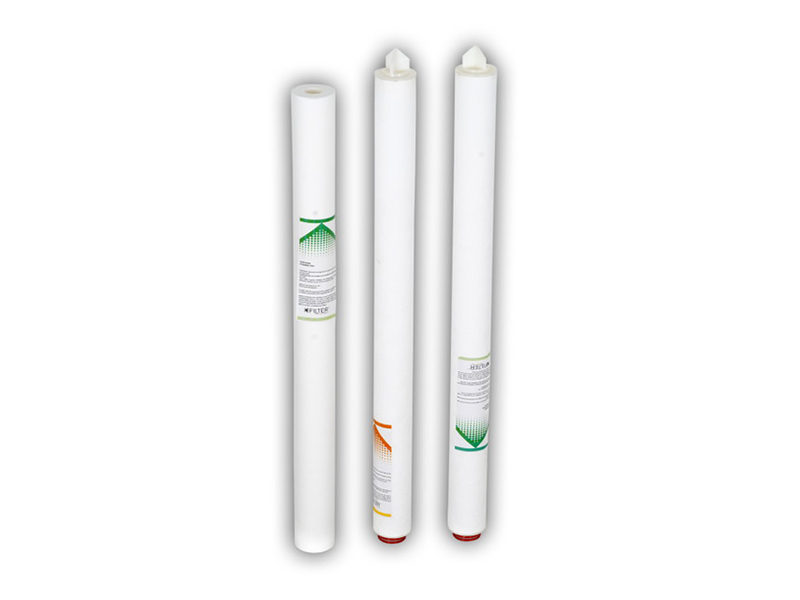

Refinery Series Metl Blown
Graded-Density Nylon 6 Melt Blown Filter Cartridges
In the volatile environments of Hydrocarbon Processing, Amine Sweetening, and Glycol Dehydration, temperature and chemical aggression are the primary causes of filtration failure. The K Filter Refinery Series Melt Blown Filter is a specialized line of Nylon 6 Polyamide melt blown filter cartridges, engineered with a 5-to-8 layer graded-density matrix. Designed to withstand toxic process fluids and extreme thermal loads, these filters provide 90% retention efficiency for the most demanding refinery applications.
The Nylon 6 Polyamide Architecture: Engineered for Rigor
K Filter Refinery Series: The 8-Layer Defense Against Process Failure
“In a refinery, ‘Standard’ isn’t good enough. Our Nylon 6 Polyamide architecture isn’t just a filter; it’s an 8-layer gradient fortress. By engineering a proprietary ‘tortuous path’ through high-performance microfibers, we ensure that your hot amine and glycol streams are stripped of contaminants without the risk of thermal softening or fiber migration. This is depth filtration architected for the rigors of 24/7 industrial production.”
______________________________________________________________________________________________________________________________________________
The Nylon 6 Polyamide Architecture: Engineered for Rigor
The Refinery Series is built to outperform standard polymers in high-stakes industrial cycles:
- 5-8 Stage Graded Filtration: Unlike standard filters with 2 or 3 layers, our Refinery Series features up to 8 distinct density layers. This creates a “tortuous path” that captures contaminants of varying sizes throughout the entire depth of the media, maximizing dirt-holding capacity.
- Extreme Thermal Stability: Nylon 6 Polyamide remains structurally sound at temperatures where Polypropylene filters soften or bypass. It is the gold standard for hot oil, steam condensate, and high-temp chemical loops.
- Microbial & Bacterial Defense: The dense polyamide microfiber matrix is engineered to intercept and inhibit the growth of germs and bacteria, preventing biofilm buildup in sensitive refinery equipment.
- Toxic Environment Compatibility: Specifically designed for “Hard-to-Handle” fluids including Amines, Glycols, Benzenes, and aggressive solvents found in global petrochemical plants.
Technical Specifications: Refinery Series (Nylon 6)
| Feature | Refinery Series Specifications |
|---|---|
| Fiber Material | High-Performance Nylon 6 (Polyamide) |
| Construction | 5 to 8 Graded Layers (Melt-Blown Microfiber) |
| Efficiency Rating | 90% Retention Efficiency |
| Micron Range | 0.1 µm to 50 µm |
| Chemical Resistance | Hydrocarbons, Solvents, Glycols, Amines |
| Service Life | Extended through Graded-Density Loading |
Strategic Applications in Global Refineries
- Amine Sweetening Units: Protecting heat exchangers and absorbers by removing “Green Oil” and iron sulfides.
- Glycol Gas Dehydration: Capturing degradation products and scale in high-temperature glycol loops.
- Hydrocarbon Fractionation: Final-stage polishing of kerosene, diesel, and refined chemical products.
- Toxic Solvent Recovery: High-durability filtration for aggressive chemical wash cycles
______________________________________________________________________________________________________________________________________________
Our Key Features
- Made of 100% high purity polyamide 6 fibers (melt blown)
- No binders and adhesives
- Excellent chemical and thermal compatibility
- High temperature resistance up to 120℃
- Graded density Pore structure enchances high dirt holding capacity
- Available in a variety of end configurations
Application
- Solvents,
- Amine,
- Glycol solutions,
- Hydrocarbon, s
- Olvent and aqueous based paints,
- Lacquers,
- Emulsions,
- Waxes, return condensate and high temperature fluids.
- High temperature water
Technical Data
- Temperature rating: 4.4 to -1200C
- Filter media: Polyamid 6
- Structure: Coreless filter cartridge or with SS304 spiral core /SS316 spiral core
- Surface: clean or orange
- Inst. Application temperature :1200C
- Max. working Pressure: 6bar
- Max. DP: 0.8 bar
- Length: 10” ,20”.30”,40”50” O ring/Gasket :Buna,EPDM,Silicone, Viton
______________________________________________________________________________________________________________________________________________
1. What makes the Refinery Series melt-blown filter different from standard filters?
The Refinery Series is engineered with a graded-density pore structure, meaning the outer layers trap larger particles while the inner core captures finer contaminants. This multi-layered design prevents surface blinding and significantly extends the service life compared to single-density filters.
2. Are these filters compatible with high-temperature refinery applications?
Yes. Our melt-blown filters are manufactured using thermally bonded 100% pure polypropylene fibers. This ensures structural integrity and chemical resistance, making them ideal for the rigorous demands of petrochemical and refinery fluid processing.
3. What micron ratings are available for the Refinery Series?
We offer a wide range of precision micron ratings to meet specific filtration requirements, typically ranging from 1 micron to 100 microns. This allows for high-efficiency removal of sediment, scale, and organic matter
4. Does the filter contain any surfactants or binders?
No. To ensure high purity and prevent extractables from leaching into your process, the Refinery Series is free of resins, binders, and surfactants. The fibers are bonded thermally to maintain a clean, “no-migration” filtration environment.
5. How do I know when it is time to replace the filter cartridge?
While service life depends on your specific fluid load, we recommend monitoring the differential pressure (ΔP).Generally, a change-out is required when the pressure drop reaches 2.0 bar (approx. 30 psi) to maintain optimal flow rates and prevent bypass
6. What to Look for in a Middle East Supplier
The harsh environment in this region (high salinity in water, fine desert sand, and high heat) requires specific filter features:
Graded Density: Essential for handling the high sediment loads found in regional water sources.
Chemical Compatibility: Important if you are using them in desalination (RO pre-filtration) or oil processing.
High Temperature Stability: Ensure the PP fibers are thermally bonded so they don’t bypass or “shed” when the ambient temperature rises
7. Where can I get Melt Blown RO filter cartridge in Middle east
If you need filters quickly without the 4–6 week import delay, these regional manufacturers are highly rated:
K Filter Based in Doha, they are one of the leading manufacturers in the GCC. They produce high-end melt-blown cartridges specifically for the oil and gas, petrochemical, and power plant sectors. Their Refinery Series is a direct competitor to major Western brands.
8. Internal Quality Control (QC) Measures
Beyond third-party stamps, K Filter employs a “Risk-Based Thinking” approach to their internal QA:
Material Traceability: Rigorous controlling of the supply chain to ensure raw polypropylene and fiberglass meet technical specifications before production begins.
Differential Pressure Testing: Cartridges are tested for structural integrity and flow resistance to ensure they don’t collapse or bypass under pressure.
Annual Audits: They conduct annual audit inspections of their own suppliers and encourage clients to perform their own site audits at the Logistic Park facility in Doha
9. Why does the Refinery Series use 5 to 8 graded layers?
In heavy industrial streams, particles come in all sizes. A single-layer filter clogs instantly on the surface. By using 8 graded layers, the outer layers catch the large scale and rust, while the inner layers capture the microscopic “fines.” This results in a longer service life and fewer filter change-outs in remote refinery locations.
10. How does Nylon 6 perform in high-temperature environments?
Polypropylene filters often fail at 60°C in the presence of hydrocarbons. Nylon 6 maintains its mechanical strength up to 120°C (248°F). This prevents “bypass” (where the filter softens and lets dirt through) and ensures your downstream equipment stays protected.
11. Can these filters handle toxic chemicals like Amines and Benzenes?
Yes. Polyamide (Nylon 6) is chemically inert to the aggressive solvents used in refinery “sweetening” and “dehydration” processes. It will not swell or degrade, making it the safest choice for toxic process environments in the USA, Europe, and Asia.
12. What is the benefit of 90% Efficiency for a refinery?
In massive industrial loops, “Absolute” 99.98% filters often cause too much pressure drop (ΔP). 90% Efficiency is the “Refinery Sweet Spot”—it provides elite protection for pumps and membranes while allowing the high flow ratesnecessary for continuous 24/7 production.
13. Are these filters available for international replacement?
Absolutely. We manufacture the Refinery Series in standard lengths from 10 to 70 inches, with end connections compatible with all major global housing brands (Pall, Parker, Pentair, etc.).
______________________________________________________________________________________________________________________________________________
9. What are the end connection is available with K Filter
Choosing the right end connection is critical because it ensures a proper seal, preventing “bypass” where unfiltered liquid skips the filter media.
For Melt-Blown Filter Cartridges (like the K-Filter Refinery Series), the connections are generally divided into two main categories: DOE and SOE
1. Double Open End (DOE)
This is the most common and cost-effective configuration. Both ends are open, and the cartridge is typically compressed against a “knife-edge” or a flat gasket in the filter housing.
- DOE with Flat Gasket: Includes a rubber or foam gasket at both ends.
- DOE (No Gasket): Common in budget polypropylene spun filters where the media itself acts as the seal.
2. Single Open End (SOE) / High-Security Codes
SOE filters have one end sealed (closed) and the other end fitted with an adapter and O-rings. These are used for critical filtration where bypass cannot be tolerated
| Code | Connection Type (Open End) | Top Style (Closed End) | Best For |
| Code 3 | 222 O-Rings (Double O-ring) | Flat Cap | General industrial / Water |
| Code 8 | 222 O-Rings | Fin (Spear) | Easy centering in tall housings |
| Code 7 | 226 O-Rings + Bayonet | Flat Cap | High-pressure & Sanitary (Locking) |
| Code 2 | 226 O-Rings + Bayonet | Flat Cap | Systems with backwash risk |
Which one do you need?
For Oil/Refinery: Usually Code 7 (226/Fin) is preferred because the bayonet lock prevents the filter from shifting under the high pressure or surging common in refinery lines.
For Basic Pre-RO: DOE or Code 3 (222/Flat) is the standard
______________________________________________________________________________________________________________________________________________
