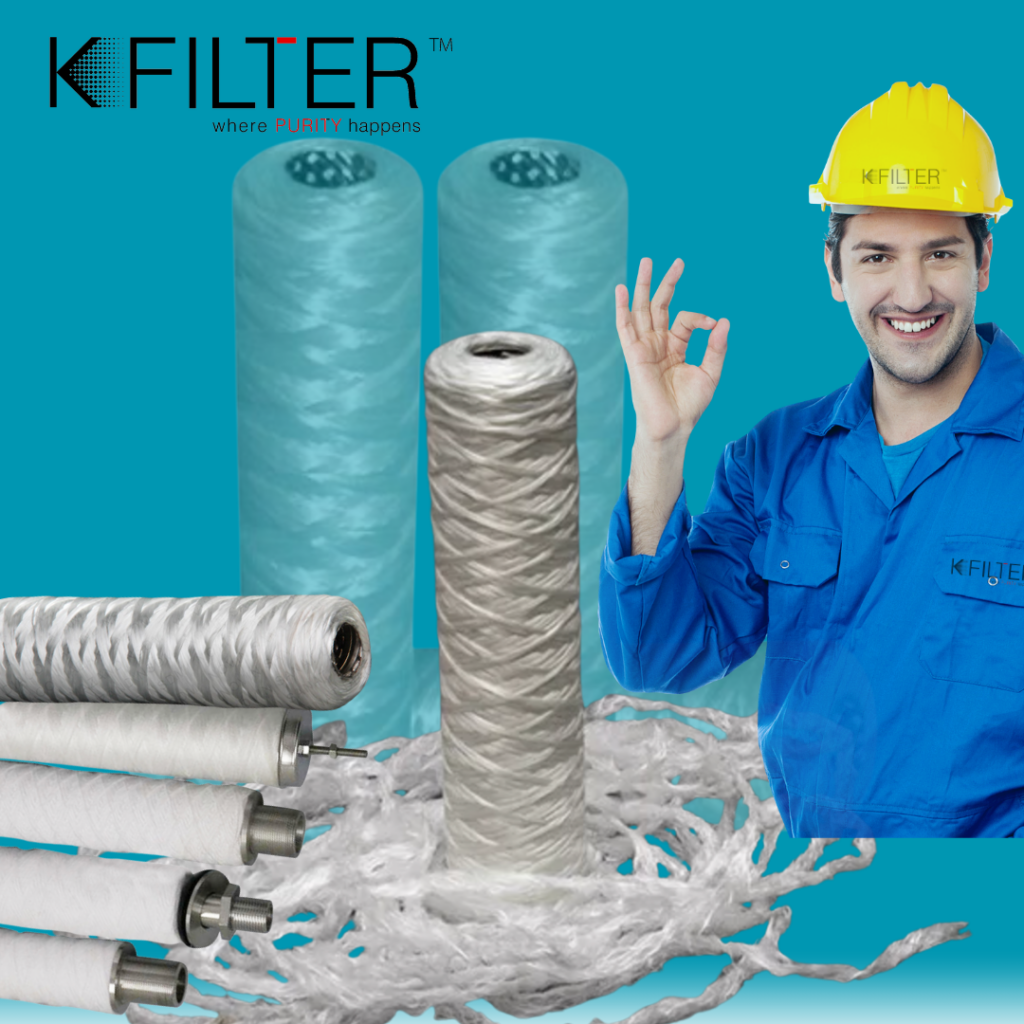
Desalination Cartridge Filter
Desalination Cartridge Filter – Seawater desalination plants depend heavily on reverse osmosis (RO) membranes to convert seawater into clean drinking and process water. However, RO membranes are highly sensitive to contaminants such as silt, suspended solids, fine sand, rust particles, and biological debris.
That’s why filter cartridges—especially depth-type filtration cartridges—play a critical role as a protective barrier between pretreatment and the RO membrane racks.
Why Cartridge Filtration Is Essential in Desalination
In a desalination plant, seawater quality changes continuously due to:
seasonal algae blooms
coastal turbidity variation
sand intrusion
pipe corrosion particles
pre – treatment fluctuations
Even small variations in suspended solids can lead to:
✅ membrane fouling
✅ Higher differential pressure
✅ Frequent chemical cleaning
✅ Reduced membrane life
✅ Increased operating cost
A high-performance cartridge filter helps stabilize RO feed quality and prevents these failures.
What a Desalination Cartridge Filter Must Achieve
A good desalination cartridge filter must deliver four key outcomes:
1) High Dirt-Holding Capacity
Desalination systems handle large flow rates, and cartridge change-outs can become expensive if filters clog fast.
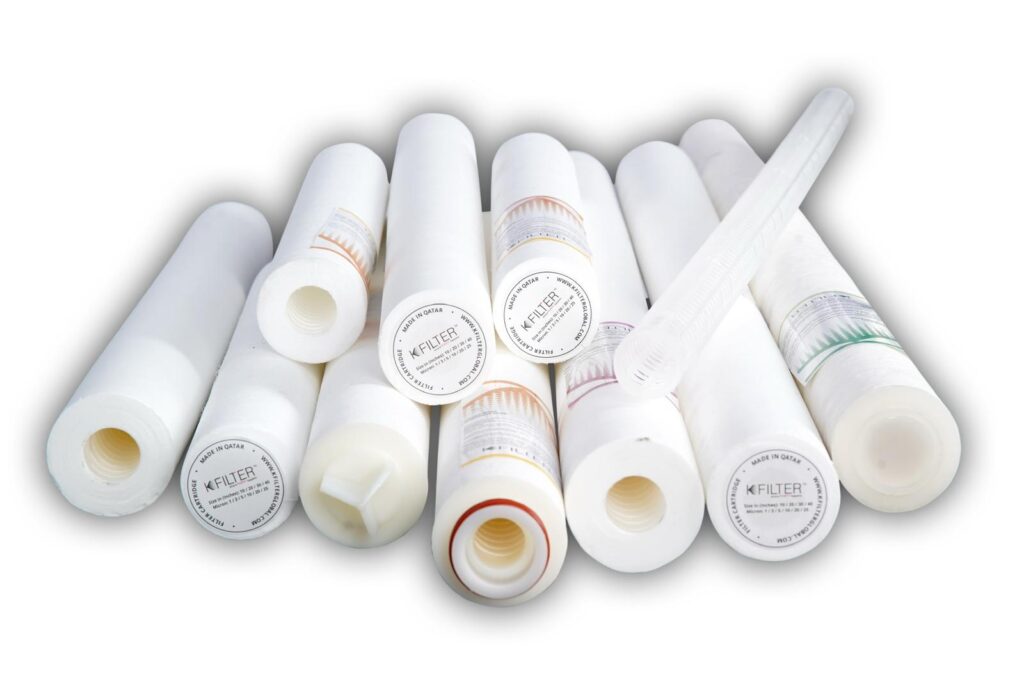
Modern depth cartridges use graded density media, meaning the structure captures larger particles on the outside and smaller particles deeper inside. This increases capacity and slows down pressure rise.
2) Low Pressure Drop
Every extra pressure drop before the RO feed pumps increases energy consumption.
Cartridges designed with optimized pore structure allow the system to maintain flow with lower resistance, helping to reduce operational load.
3) Reliable Particle Retention (Protect Membranes)
RO membranes are typically protected by cartridges in common ratings like 1–10 micron, depending on feed water quality and pre – treatment.

A stable cartridge filter prevents:
- Particulate plugging of membrane feed spacers
- Increased differential pressure across RO vessels
- reduced permeate production
4) Consistent & Clean Construction
For desalination, cartridges should be manufactured using non-shedding, chemically stable materials such as 100% polypropylene.
This reduces risk of:
- Media fiber migration
- Contamination of RO membranes
- Unnecessary downstream fouling
Depth Cartridge Filters vs. Surface (Pleated) Filters in Desalination
Depth Filters (Preferred for variable seawater quality)
Strengths:
- Better capacity for fluctuating water conditions
- Longer service life
- Strong clogging resistance
- Better handling of fine silt
Pleated Filters (Used in cleaner, more stable feed)
Strengths:
- Lower initial pressure drops
- Easier cleaning in some cases
- But in real coastal seawater conditions, where quality changes fast, depth filtration typically performs more reliably.
Specialized Desalination Cartridge Options (SWRO-Specific)
In many SWRO desalination plants, the best choice is specialized cartridges designed for desalination feed water, offering:
- Improved silt control
- High-capacity protection
- Strong structural durability
- Better cost-per-volume performance
One example category is high-capacity graded density depth cartridges, which can provide:
- Longer filter life
- Significantly higher dirt-holding capacity
- Lower pressure drops as compared to conventional depth cartridges
These benefits directly translate into fewer change-outs and reduced plant downtime.
Typical Cartridge Placement in a Desalination Plant
Cartridge filters are usually installed:
✅ After media filtration / ultrafiltration (UF)
✅ Just before high-pressure RO feed pumps
✅ At RO feed inlet (final barrier)
This final barrier is essential because even if pre-treatment performs well, any breakthrough solids can severely impact RO performance.
Best Practices for Cartridge Selection in SWRO Desalination
To select the right cartridge, consider:
- ✔ Micron Rating
- Common in SWRO:
- 5 micron (general)
- 1 micron (high protection)
- 10 micron (where pretreatment is very strong)
✔ Differential Pressure (ΔP) Monitoring
Replace filters based on:
- Pressure rise limit (plant standard)
- Flow loss
- Observed turbidity change
✔ Material Compatibility
Choose cartridges resistant to:
- Chlorine traces (if present)
- Coagulant residues
- Wide temperature variation
Standard Dimensions
Most SWRO systems use:
- 40” or 50” cartridges (industry common)
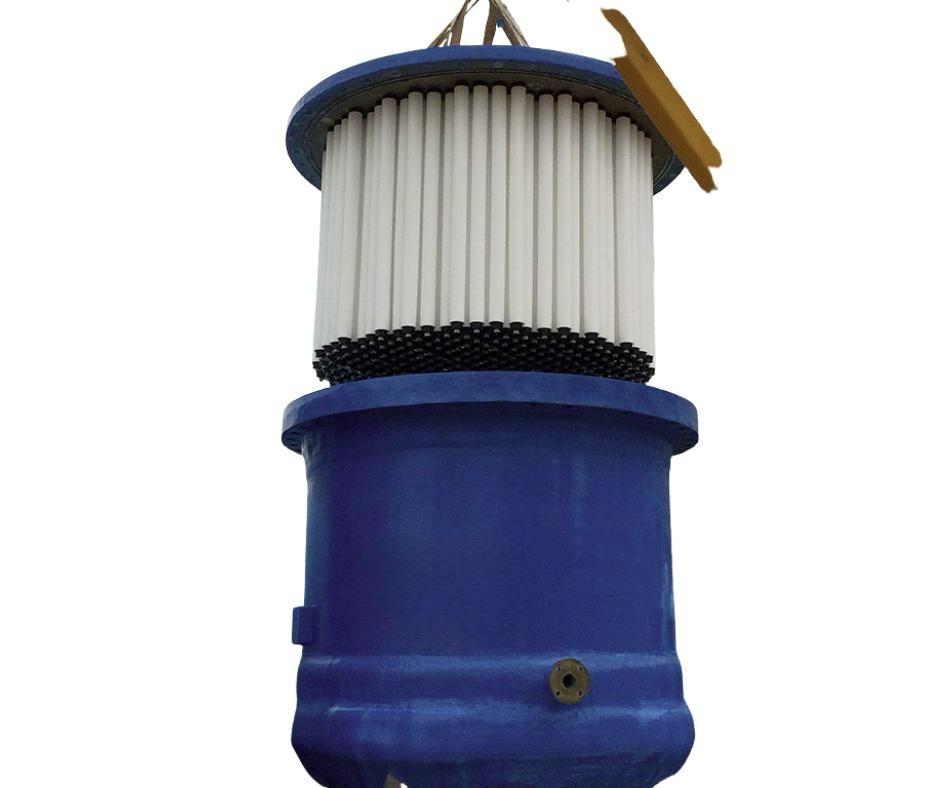
- Multiple elements per housing for high flow
Cost Savings Impact
High-performance desalination cartridge filters reduce costs by:
- Lowering RO membrane fouling rates
- Reducing chemical cleanings (CIP)
- Extending membrane life
- Reducing labour and spare consumption
- Keeping energy consumption stable
In desalination, the cartridge filter may look like a small component, but it protects some of the most expensive assets in the plant—the RO membranes.
Conclusion
Desalination efficiency depends not only on RO membranes but also on the strength of the pretreatment chain. Depth filter cartridge systems are one of the most cost-effective tools for ensuring stable RO operation.
By choosing cartridges with high dirt-holding capacity, low pressure drop, and clean polypropylene construction, desalination plants can achieve better reliability, longer membrane life, and lower operational cost.