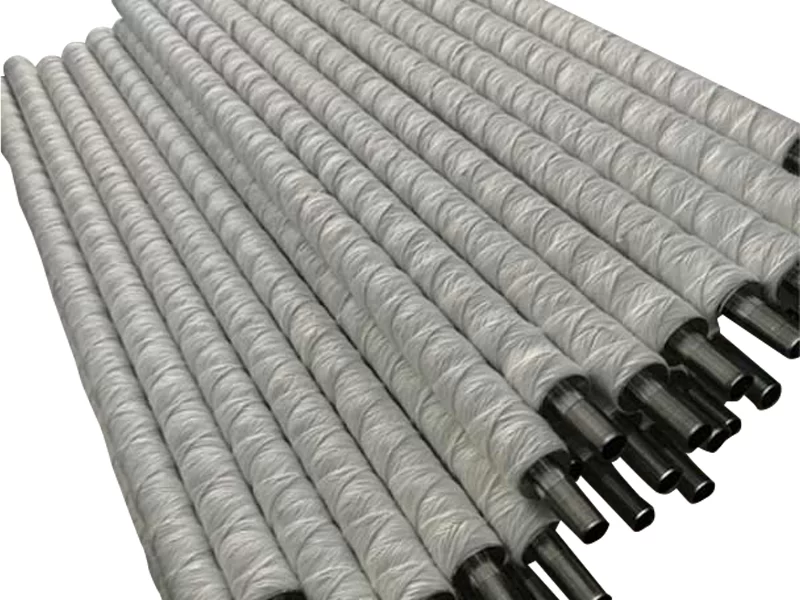
PureWound cartridge filters, often referred to as string-wound filters, have become a trusted solution across industries for their durability, versatility, and cost-effectiveness. Known for their ability to deliver reliable filtration in demanding environments, these filters are widely used in water treatment, chemical processing, oil and gas, and even food and beverage production.
In this article, we’ll explore the advantages of wound cartridge filters, their unique design, and the applications where they excel.
Wound Cartridge Filters
What Is a Wound Cartridge Filter?
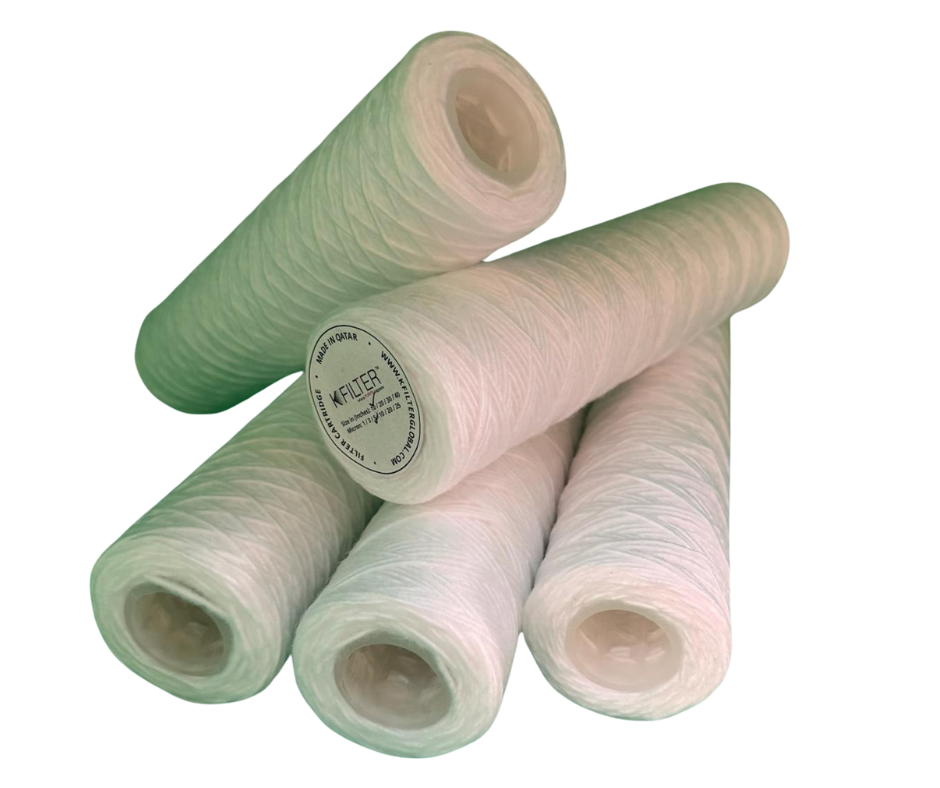
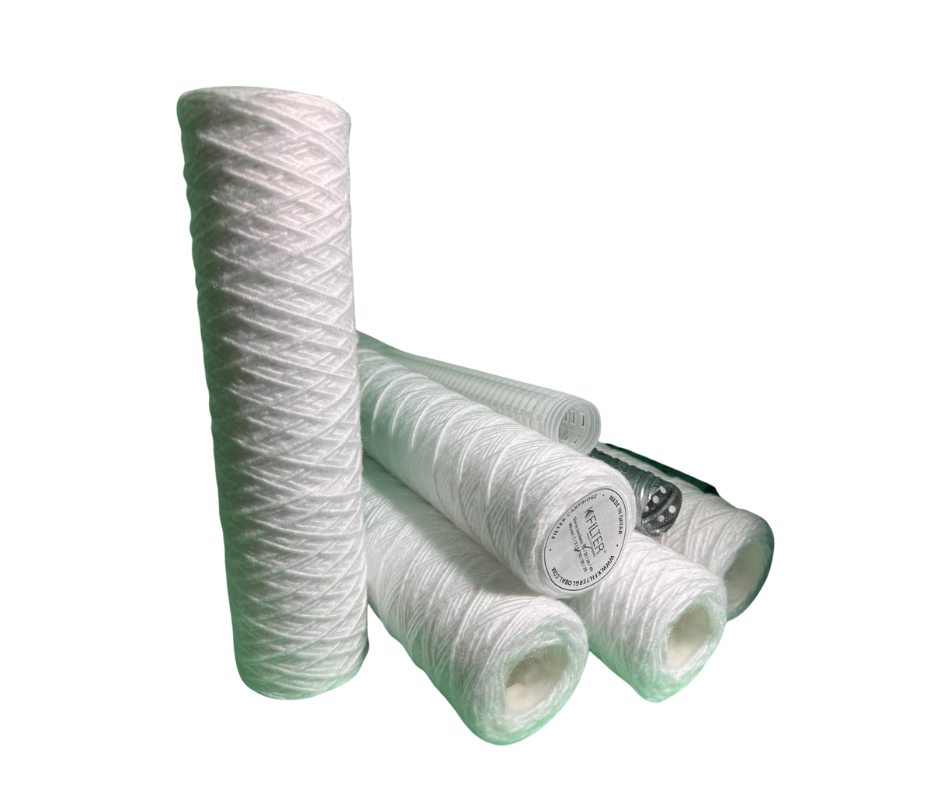
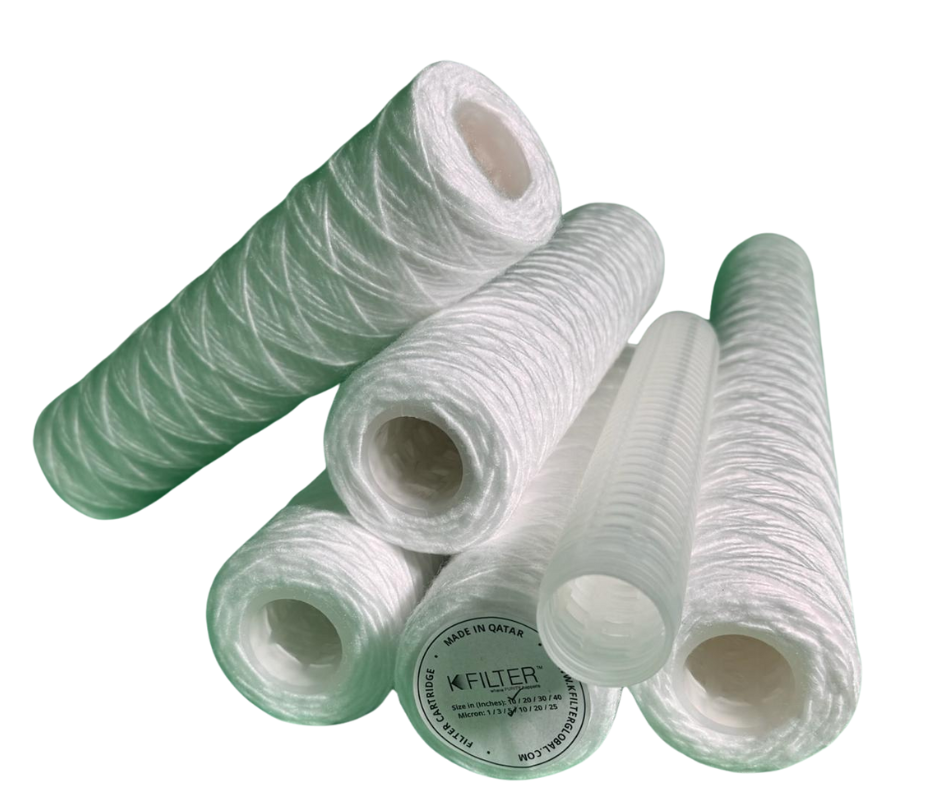
A Puerwound cartridge filter is a type of depth filter made by tightly wrapping yarn or thread—commonly polypropylene, cotton, or glass fibers—around a central core. This dense, layered structure creates a large surface area that effectively traps contaminants as fluids pass through.
The result is a filter with high dirt-holding capacity, excellent efficiency, and long service life, making it ideal for industries where both performance and durability are critical.
Key Advantages of Wound Cartridge Filters
1. Superior Dirt-Holding Capacity
The tightly wound yarn design provides a deep filtration structure.
Capable of capturing and retaining large amounts of particles without clogging quickly.
Longer filter life reduces the frequency of replacements, lowering maintenance costs.
2. Versatility
Suitable for a wide range of liquids and gases.
Can be used in multiple filtration stages, from pre-filtration to final polishing.
Adaptable across industries including water treatment, chemical processing, oil filtration, and food and beverage.
3. Cost-Effectiveness
More economical compared to pleated or membrane filters, without sacrificing performance.
Provides reliable filtration at a lower overall cost.
Offers excellent value for businesses seeking to protect equipment and processes from harmful contaminants.
Wound Cartridge Filters vs. Other Filter Types
When compared to pleated and membrane filters, wound cartridge filters stand out in several ways:
Higher Dirt-Holding Capacity: Their depth filtration design allows them to capture more particles before replacement is needed.
Greater Versatility: Unlike membrane filters designed for specific applications, wound cartridge filters can handle a broader range of fluids and gases.
Ease of Use: Simple to install and replace, minimizing downtime and ensuring continuous system operation
Applications of Wound Cartridge Filters
Wound cartridge filters are widely adopted due to their efficiency and reliability. Common applications include:
- Water Treatment: Removing sediment, sand, and impurities; ideal for pre-filtration before advanced treatment.
- Chemical Processing: Filtering particulates from process fluids to ensure purity, quality, and consistency.
- Oil Filtration: Protecting machinery by filtering hydraulic fluids, lubricants, and fuel, reducing wear and downtime.
- Food and Beverage: Clarifying liquids and removing unwanted particles to maintain product safety and integrity.
Conclusion
PureWound cartridge filters exemplify the strengths of wound cartridge technology—superior dirt-holding capacity, versatility, and cost-effectiveness. Their ability to deliver reliable performance across diverse industries makes them a preferred choice for businesses seeking efficient and economical filtration solutions.