Skip to content
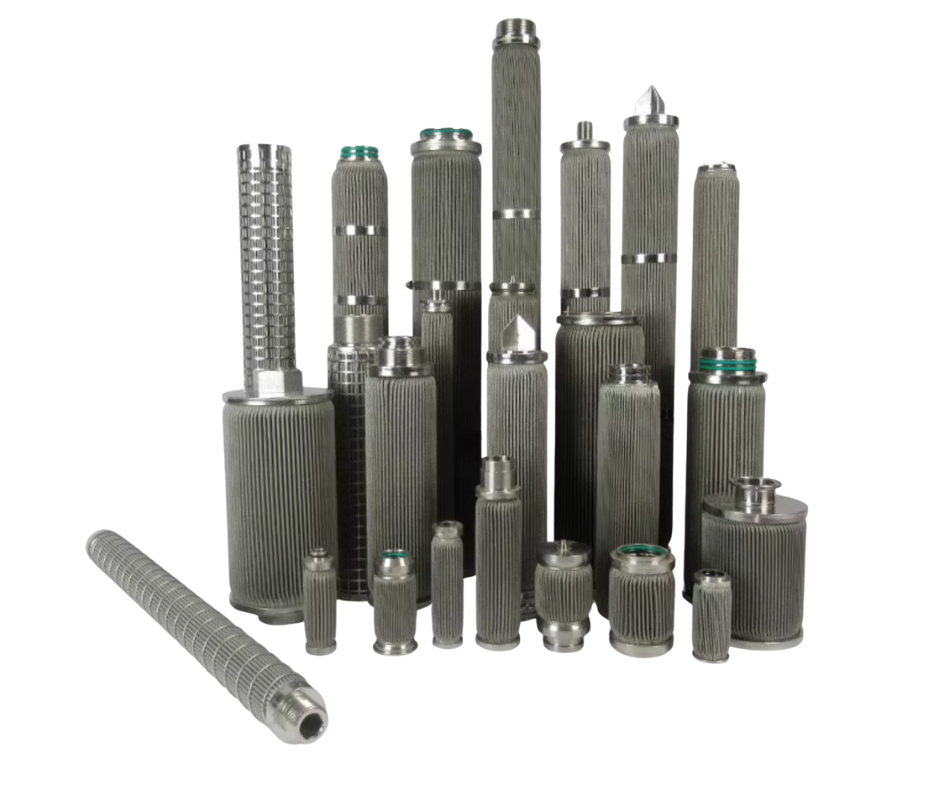
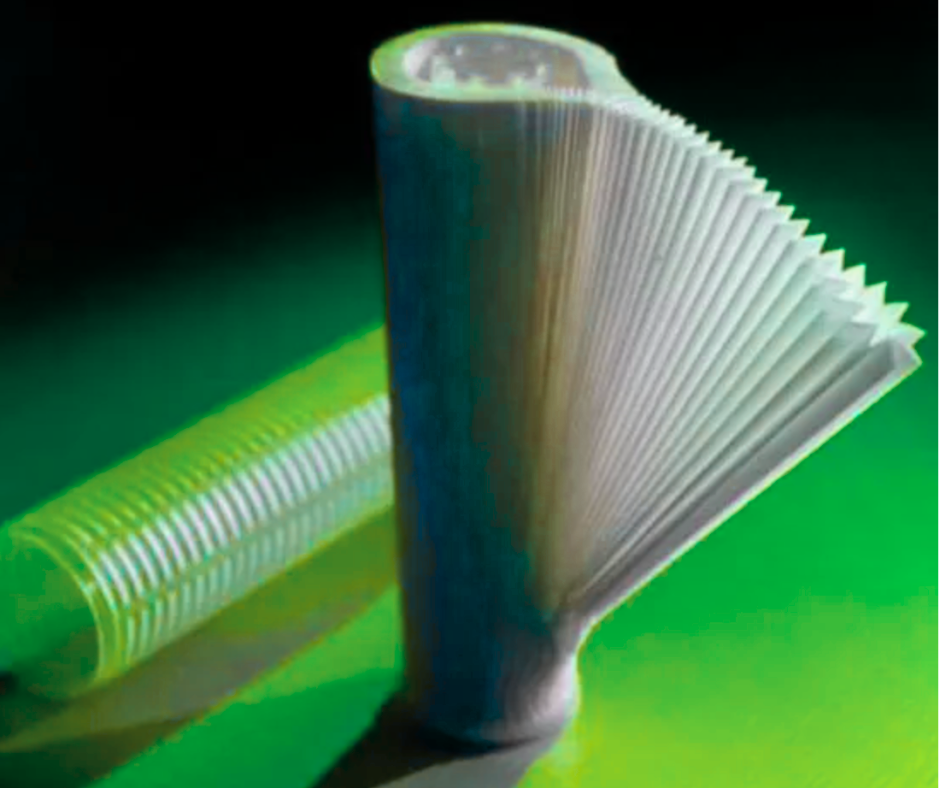
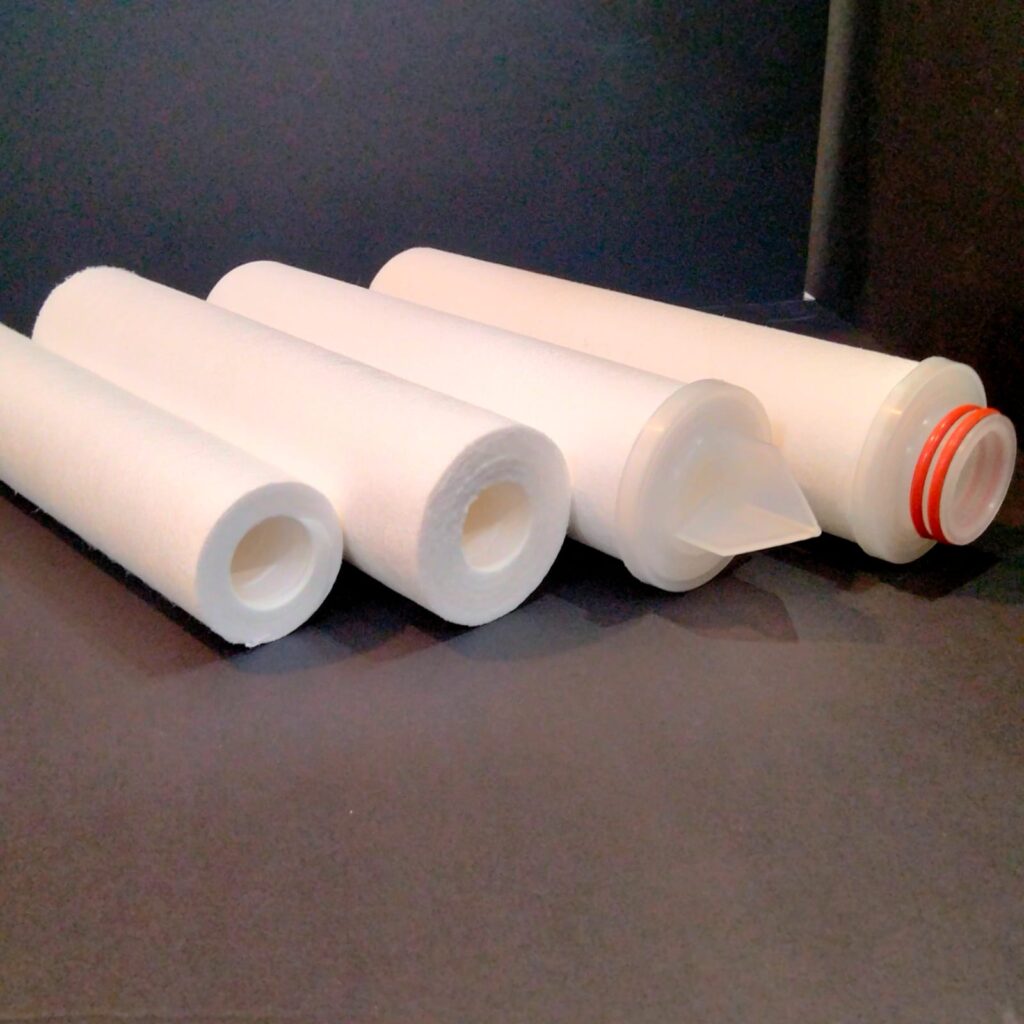
Suspended solids and turbidity are major challenges in seawater reverse osmosis (SWRO), which has become one of the most widely used technologies for producing potable water from seawater. While seawater reverse osmosis membranes are highly efficient at salt rejection, they are extremely sensitive to suspended solids, turbidity, biological activity, and fine particulate contamination. For this reason, reliable pre-treatment filtration is not optional—it is essential. K Filters’ robust pre-treatment filtration system filter cartridge, featuring the RO Protect Clean Series absolute melt-blown filter cartridges, is designed with extruded multi-density layers of polypropylene fibers. This system acts as the first protective barrier, ensuring stable membrane performance, reduced fouling, and long-term plant reliability RO Protect Clean Series Absolute RO Protect Clean Series Absolute.
Seawater Reverse Osmosis
- Why Pre-Treatment Filtration Matters in seawater reverse osmosis
Seawater quality can vary significantly due to:
- Seasonal changes in turbidity
- Algae blooms and biological activity
- Sand and silt intrusion
- Industrial discharge near coastal zones
- corrosion particles from pipelines
Without effective filtration, these contaminants reach the Seawater Reverse Osmosis membrane system and cause:
Rapid membrane fouling
Increased pressure drop across membrane vessels
Reduced permeate output and recovery
More frequent chemical cleaning (CIP)
Shorter membrane life and higher replacement cost
Simply put, pre-treatment filtration ensures seawater reverse osmosis membranes are protected from conditions they were not designed to tolerate.
2) Key Challenges seawater reverse osmosis Membranes Face Without Strong Pre-Treatment
Particulate Fouling
Suspended solids and fine particles accumulate on the membrane surface and inside feed spacers. This restricts flow and forces pumps to work harder, increasing energy consumption. Biological Fouling (Biofouling)
Microorganisms and organic matter can form biofilms on membrane surfaces. Biofouling is one of the most difficult problems to remove and often leads to recurring performance loss.
3) Scaling and Chemical Imbalance
Poor pre-treatment can also allow contaminants to disturb chemical conditions, contributing to scaling and precipitation on membrane surfaces.
4) Role of Cartridge Filters as the Final Barrier
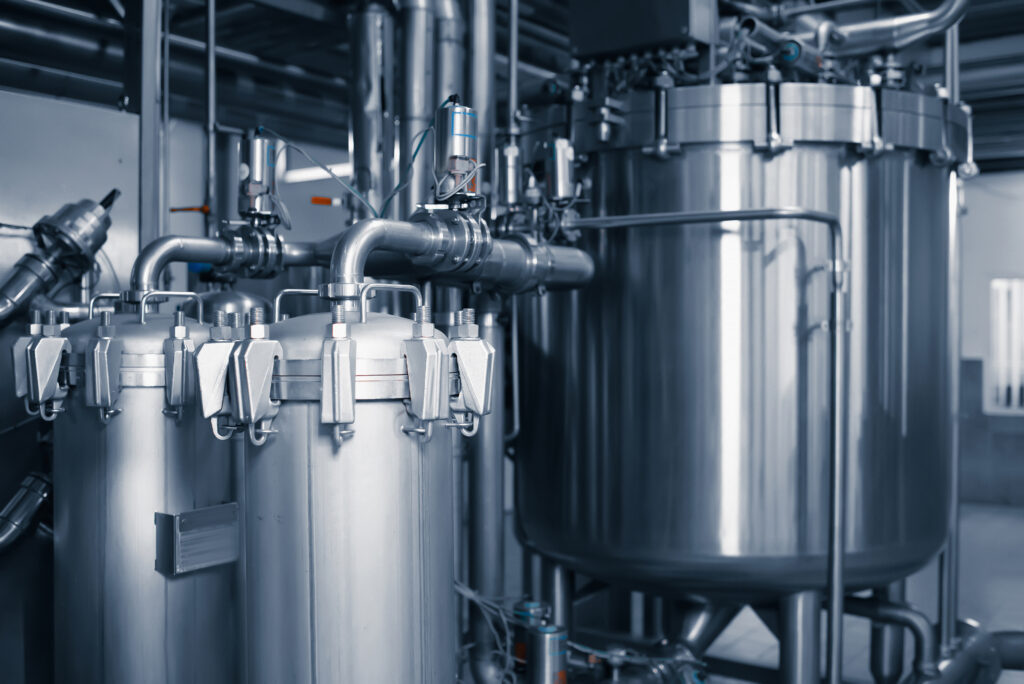
In most seawater reverse osmosis plants, cartridge filtration is installed just before the high-pressure pumps and RO membrane racks. These filters act as the final safety net, capturing fine particles that escape upstream pre-treatment stages.
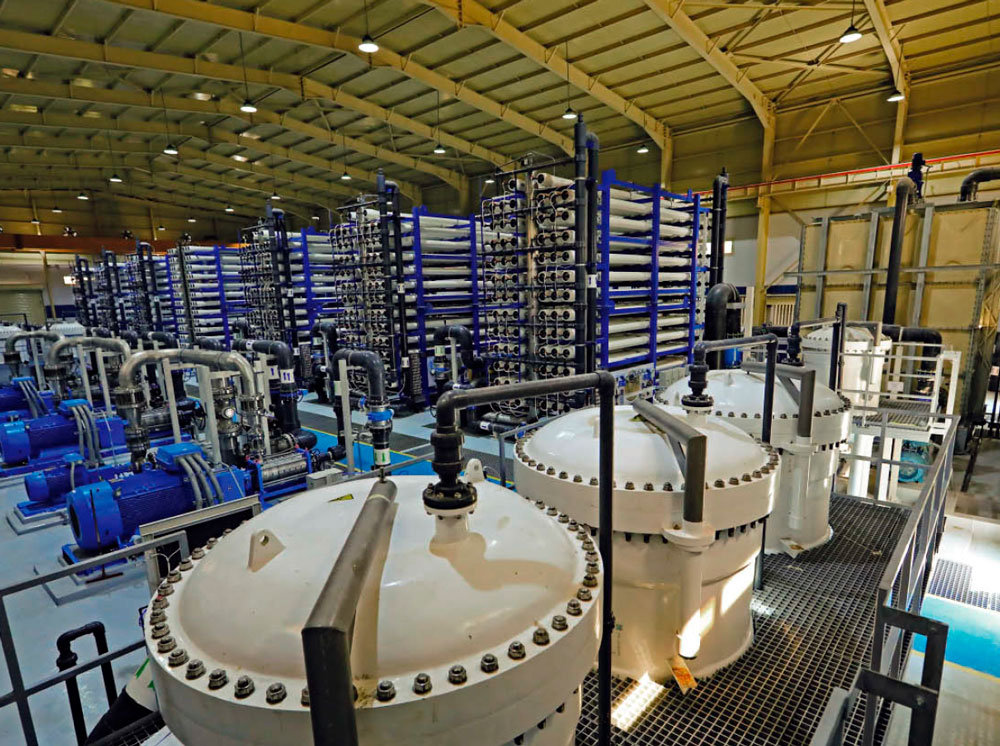
A high-quality depth cartridge filter delivers:
- High dirt-holding capacity, reducing filter change frequency
- Low pressure drop, improving energy efficiency
- Stable filtration performance, even with fluctuating seawater quality
- Consistent particle retention, protecting RO feed channels
- This final filtration stage plays a major role in stabilizing SWRO operation.
Benefits of Reliable Pre-Treatment Filtration for Plant Performance
✅ Improved Membrane Protection
Effective filtration prevents particulate and biological loading from reaching membranes, ensuring consistent operating conditions.
✅ Higher System Uptime
Cleaner feedwater reduces unexpected shutdowns and emergency membrane cleanings.
✅ Reduced Chemical Cleaning (CIP) Frequency
By reducing fouling, plants can extend the time between chemical cleaning cycles, lowering chemical cost and labor.
✅ Longer Membrane Life
SWRO membranes are expensive assets. Pre-treatment filtration increases service life and delays replacement cycles.
✅ Lower Overall Operating Cost
Stable filtration reduces power consumption, maintenance downtime, chemical usage, and spare part consumption.
Best Practices for Pre-Treatment Filtration iRO Protect Clean Series Absoluten SWRO Plants
To maintain reliability, the plant should focus on:
- Selecting appropriate micron ratings (commonly 1–10 micron, depending on upstream processes)
- Monitoring differential pressure and turbidity trends
- Using chemically compatible filter materials (often polypropylene)
- Choosing filters designed for high-capacity seawater servic
- Implementing regular filter inspection and replacement planning
Positive Aspects (Opportunities & Control Benefits)
Drives Improved Pre-treatment Design
Turbidity challenges have led to advanced pre-treatment technologies such as multimedia filtration, ultrafiltration (UF), and high-efficiency depth filtration.
Improved Monitoring & Control
Parameters like turbidity, SDI, and particle counts help operators optimize filtration performance and detect issues early.
Innovation in Filter Media
The need to handle high solids loads has accelerated development of graded-density melt-blown cartridges and absolute-rated filters.
Operational Optimization.
Properly managed suspended solids removal results in stable RO operation, improved recovery rates, and consistent water quality.
Higher System Reliability
When turbidity is effectively controlled, SWRO plants achieve longer membrane life, fewer shutdowns, and predictable performance.
Negative Impacts (Challenges)
Membrane Fouling
High suspended solids and turbidity lead to particulate and colloidal fouling, causing rapid flux decline and increased differential pressure across RO membranes.
Reduced Membrane Life
Continuous exposure to fine particles and silt accelerates membrane degradation, shortening membrane lifespan and increasing replacement costs.
Higher Operating Costs
Increased fouling results in more frequent chemical cleaning (CIP), higher chemical consumption, and greater energy demand.
Unstable Plant Performance
Fluctuating turbidity—especially during storms, algal blooms, or seasonal changes—causes inconsistent feed water quality, impacting system reliability.
Risk of Biofouling
Suspended solids often carry microorganisms and nutrients that promote biological growth on membrane surfaces.